


Rebuilding Emotional Trust Over Time
Explore how emotional trust is rebuilt and why it takes time.
In context: This is the restoration of “self-boundaries.“ In this model, “losing yourself“ occurs when your Narrative & Identity system merges with the group's loops to avoid conflict. By naming your own orientation while in the presence of others, you maintain a “structural anchor.
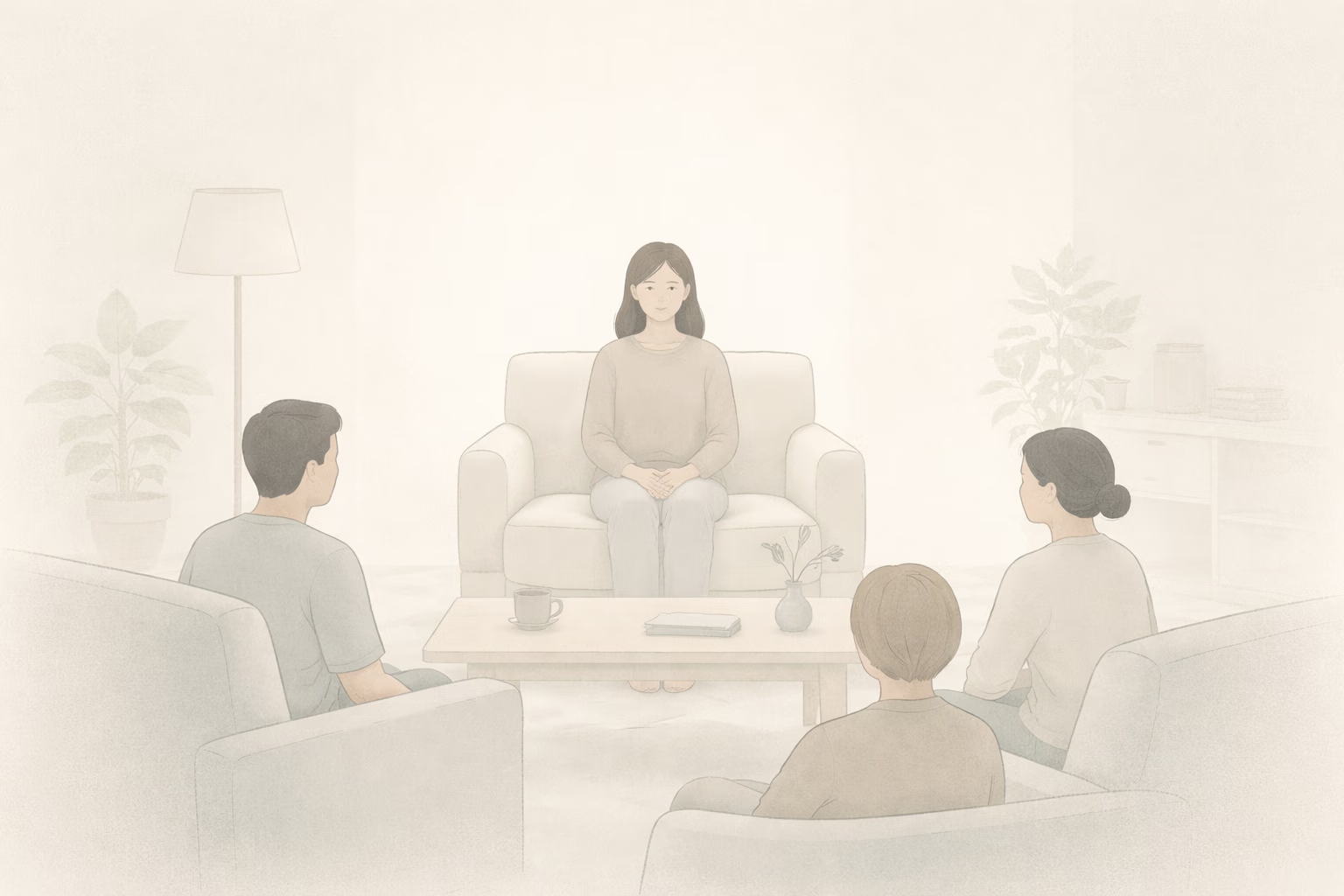
Being with others does not require leaving yourself behind.
You notice your own weight, your stance, the quiet sense of where you begin and end.
Around you, presence continues without pulling you forward or dissolving you.
Connection remains possible because you are still here, intact.
Nothing is asked to merge or prove itself.
Restore boundaries with DojoWell.
Explore DojowellArticles exploring the psychology behind these patterns.
Explore how emotional trust is rebuilt and why it takes time.
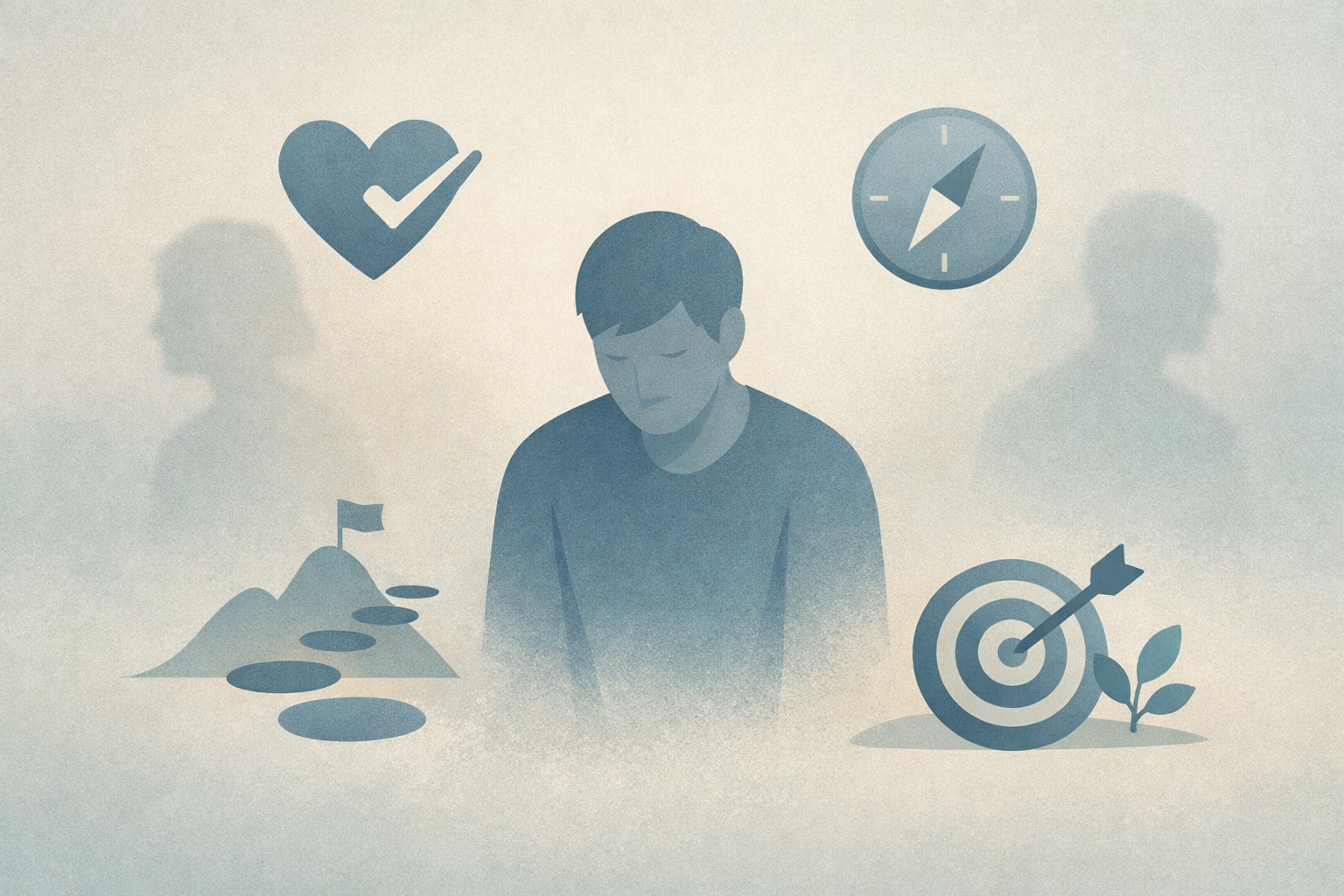
Explore what emotional safety truly means and how to cultivate it.
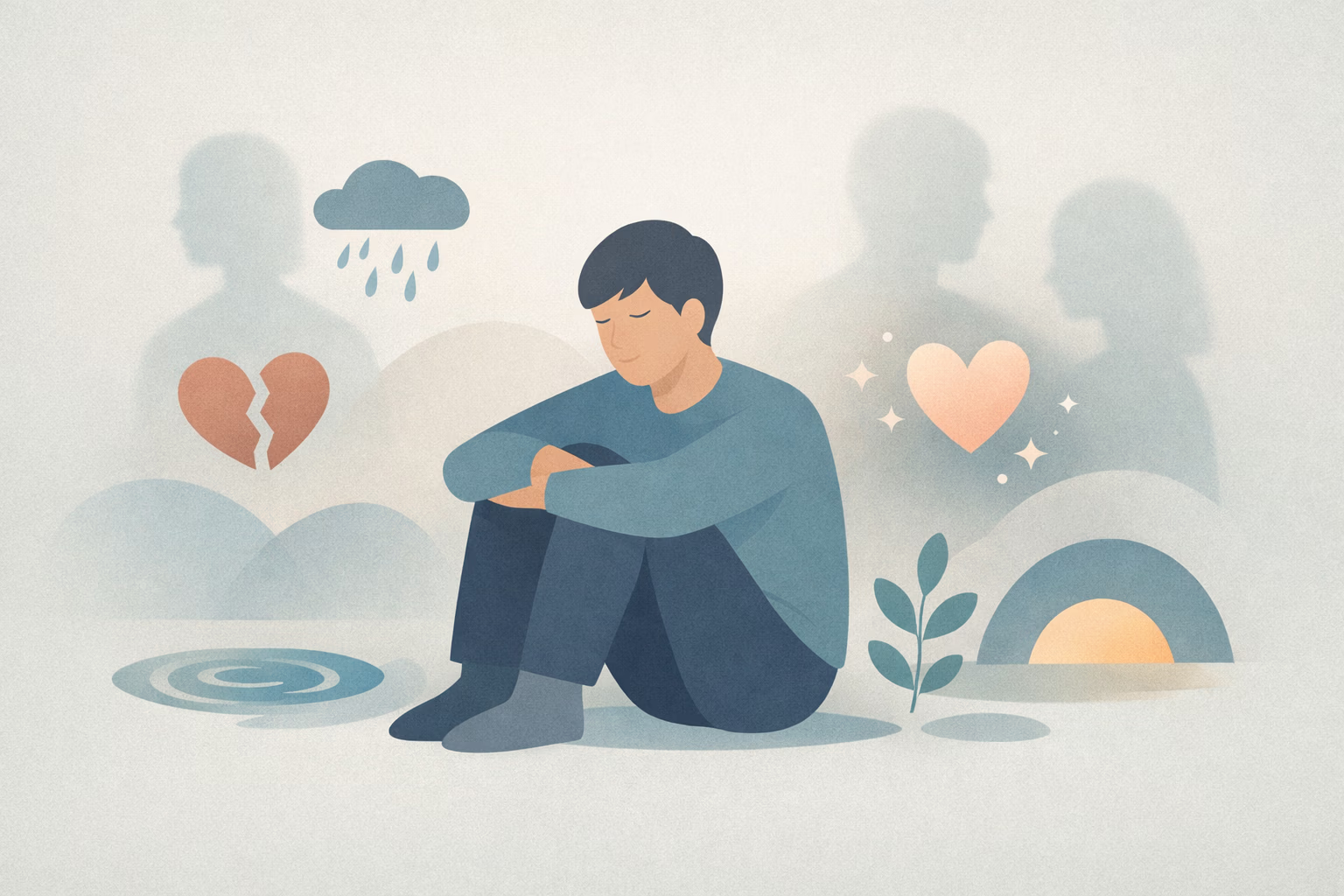
Learn how to rebuild trust in your emotional signals.
This is the restoration of "self-boundaries." In this model, "losing yourself" occurs when your Narrative & Identity system merges with the group's loops to avoid conflict. By naming your own orientation while in the presence of others, you maintain a "structural anchor." This allows you to participate in shared experiences without the "identity collapse" that leads to social exhaustion and a loss of personal meaning.
It feels like a "private interior" that remains intact while you interact. Instead of being "porous," your system becomes "contained." You recognize that while you are sharing a space, your internal integration process is yours alone. This structural separation prevents you from taking on the "load" of others' expectations, allowing you to remain socially present for longer periods without feeling the need to withdraw to recover your sense of self.
One Quiet Window, one insight, one reflection — every Sunday