


Mental Reset & Rapid Cognitive Clarity
Learn fast techniques to clear mental clutter and reset your mind.
In context: You create “The Room That Holds All Parts“ through Non-Judgmental Awareness. A container is “broken“ when we try to exclude a part of ourselves (like anger or shame). By deciding that “Everything is allowed to be here,“ the walls of your container actually become more flexible and “unbreakable.“ This is Structural Inclusivity.

The room that holds all parts does not organize them.
It simply allows them to exist together.
This internal container restores safety without hierarchy.
Naming it supports nervous system regulation by shifting from control to capacity.
Everything has a place, even when nothing is resolved.
Create inner safety with DojoWell.
Explore DojowellArticles exploring the psychology behind these patterns.
Learn fast techniques to clear mental clutter and reset your mind.
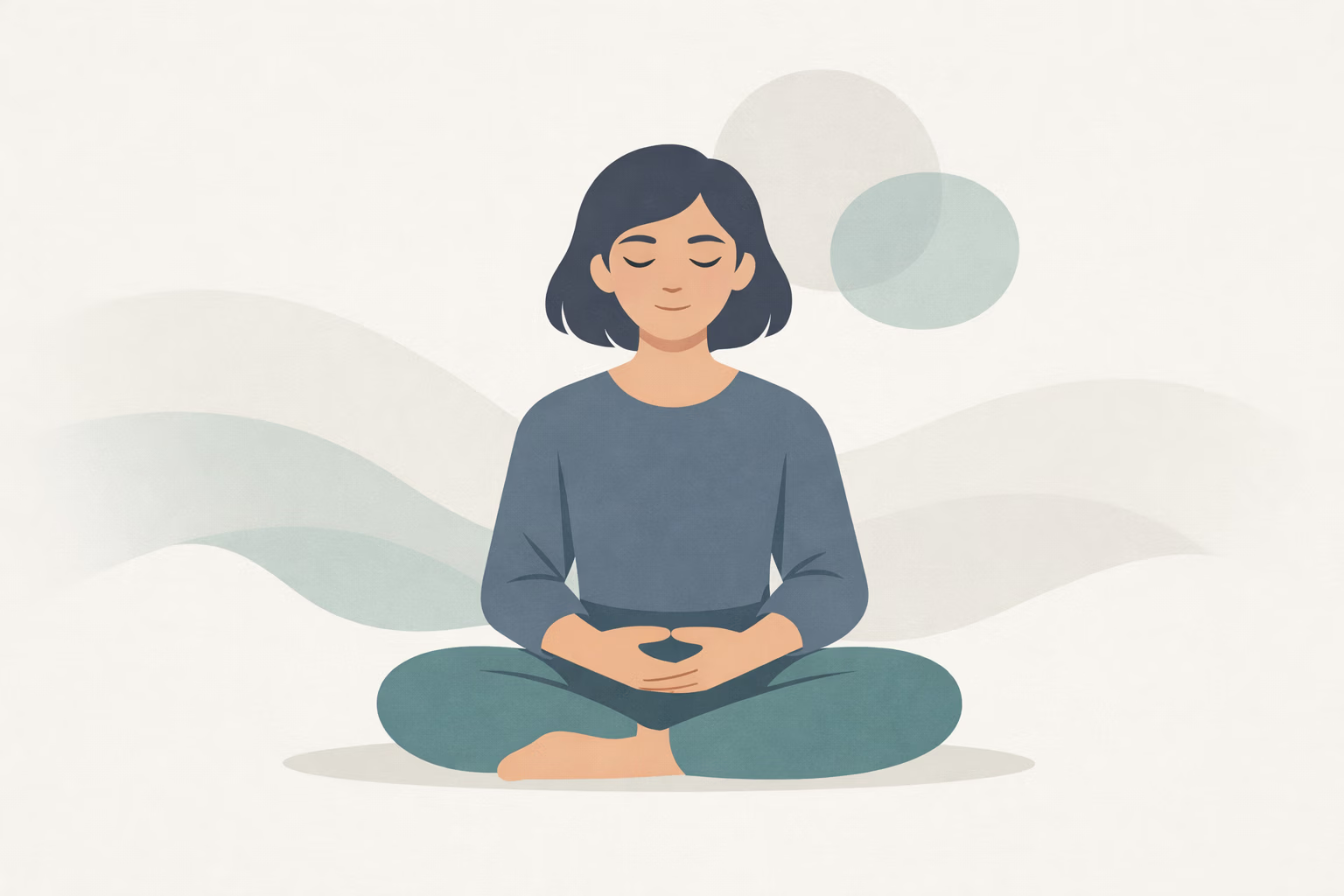
Explore how spiritual practices help you transcend dopamine loops and reorient to meaning.
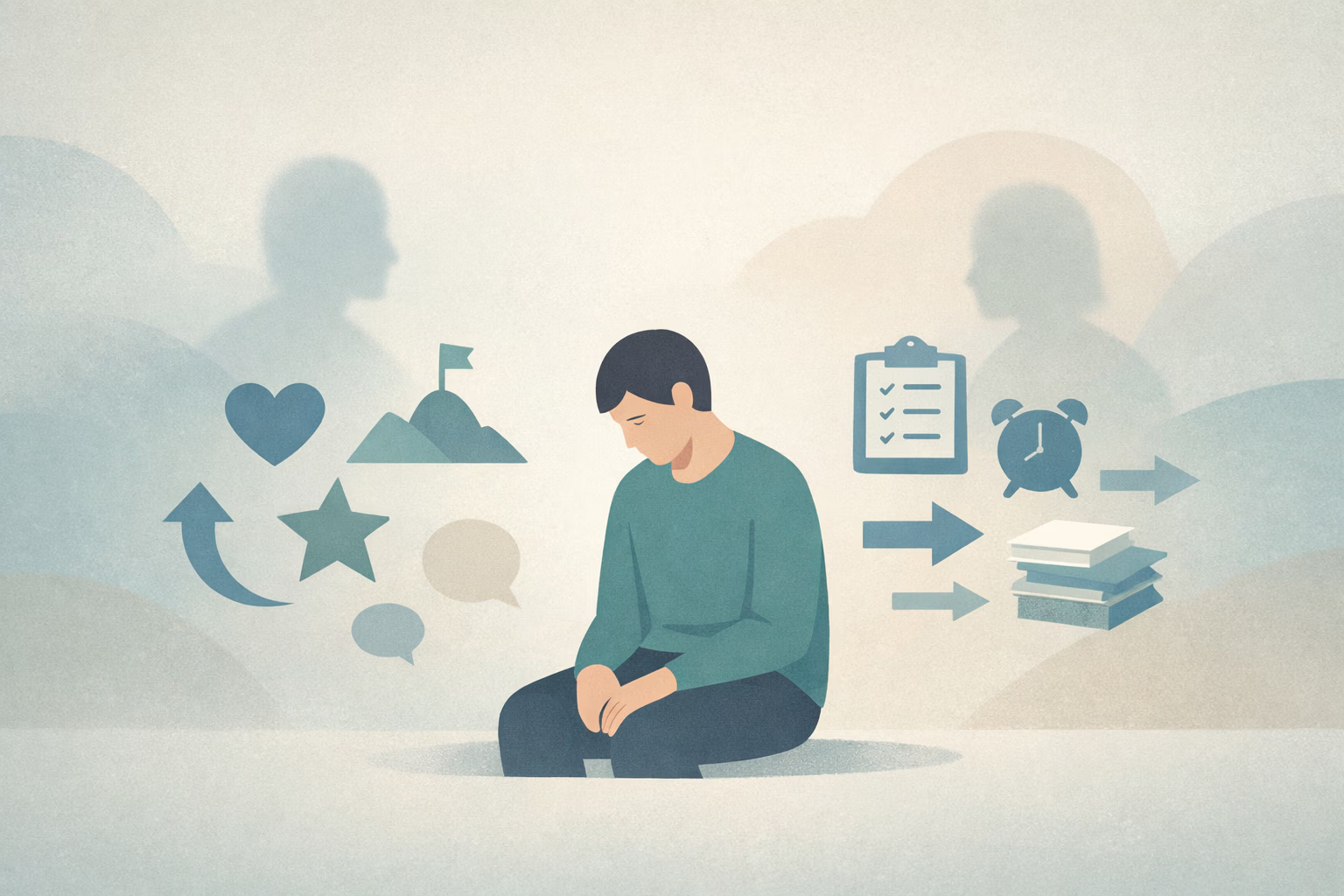
Learn why success doesn’t satisfy and how to shift from validation to meaning.
You create "The Room That Holds All Parts" through Non-Judgmental Awareness. A container is "broken" when we try to exclude a part of ourselves (like anger or shame). By deciding that "Everything is allowed to be here," the walls of your container actually become more flexible and "unbreakable." This is Structural Inclusivity. Nothing can "break" you if you have already given it a seat at the table.
Your container is "strong" when you can feel a "disturbing" thought and not have to "do" anything about it. Strength in this model is Stillness Tolerance. If you can watch an old shame pass through without needing to "fix" it, your container is working perfectly. You have moved from "fragile" to "integrated."
One Quiet Window, one insight, one reflection — every Sunday