

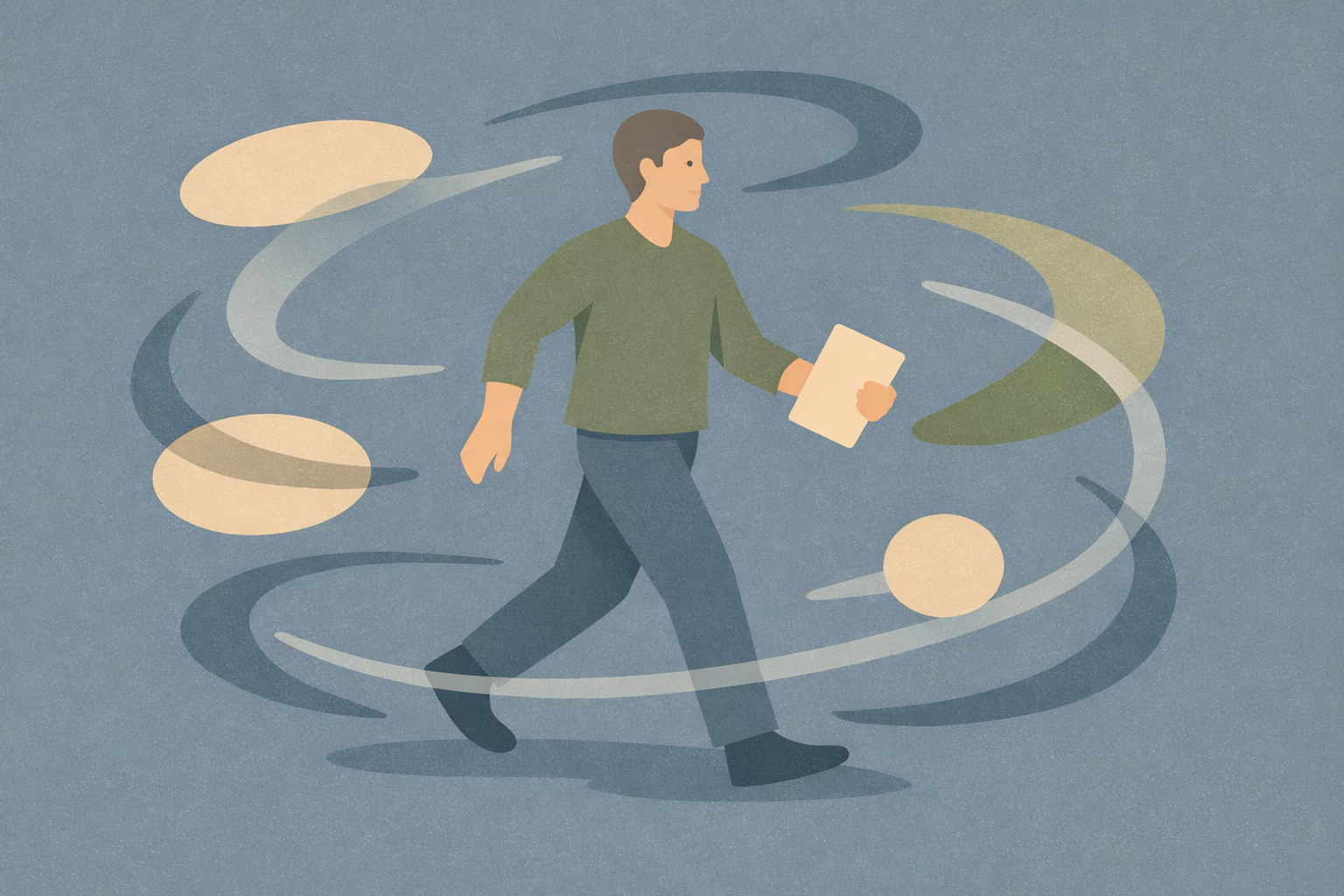
The Compulsion to Be Busy
Discover why staying busy becomes emotional avoidance and how it numbs uncomfortable feelings.
In context: This is the state of Self-Command. In this model, the Status & Control system issues constant internal instructions to ensure you are “on track.“ By noticing a “moment without self-command,“ you allow the nervous system to shift from “executive oversight“ to “lived presence.
The internal voice pauses.
No instruction follows.
No correction arrives.
You notice the absence of orders and how unfamiliar that can feel.
Without commands, movement still happens, breathing still continues, presence remains intact.
This moment shows that functioning does not depend on constant self-direction.
Silence does not mean collapse.
Release self-command with DojoWell.
Explore DojowellArticles exploring the psychology behind these patterns.
Discover why staying busy becomes emotional avoidance and how it numbs uncomfortable feelings.

Discover the “freedom gap” where conscious choice lives.
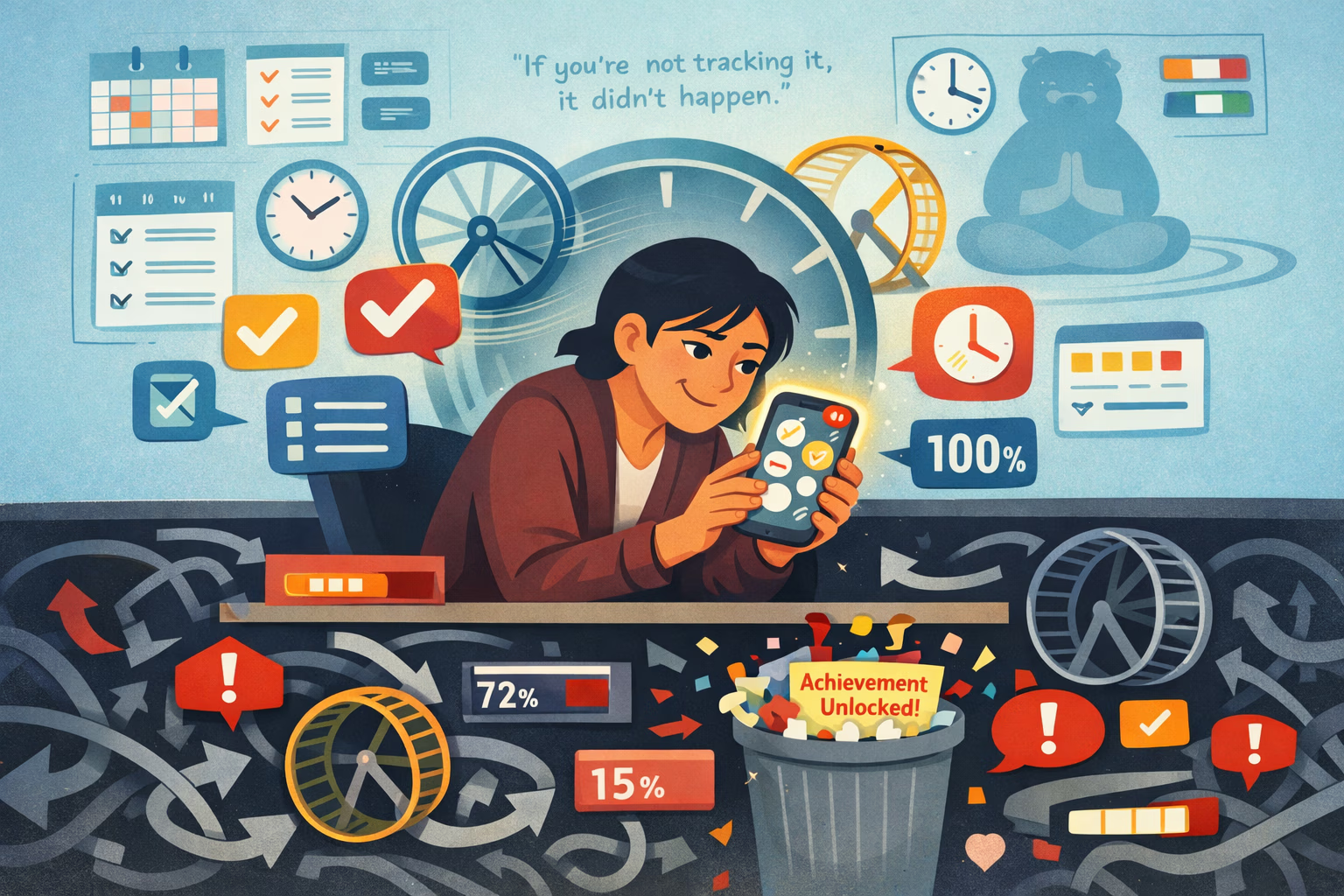
Explore whether productivity apps increase results or accelerate burnout.
This is the state of Self-Command. In this model, the Status & Control system issues constant internal instructions to ensure you are "on track." By noticing a "moment without self-command," you allow the nervous system to shift from "executive oversight" to "lived presence." This reduces internal pressure and preserves integration capacity, letting your behavior arise from a state of coherence rather than a series of forced mental commands.
You don't "stop" it; you "reduce the demand." When you notice a self-command, name it: "That is a control signal." By witnessing the command without immediately obeying or fighting it, you create a structural gap. This gap allows the Narrative system to settle. You find that your body often knows what to do without being "ordered," leading to a more fluid, high-density way of moving through your day.
One Quiet Window, one insight, one reflection — every Sunday