

Avoidance Loops and Emotional Delay
Understand why you avoid important things and how emotional threat drives delay.
In context: You reached “The Moment You Look Elsewhere.“ Turning away often happens quietly when the “Meaning Density“ of a task spikes. In the Meaning Density Model™, this is a “Systemic Shunt“—your brain is diverting energy away from a perceived Threat. Naming this redirection without blame allows you to stay “Aware“ without triggering a shame loop.

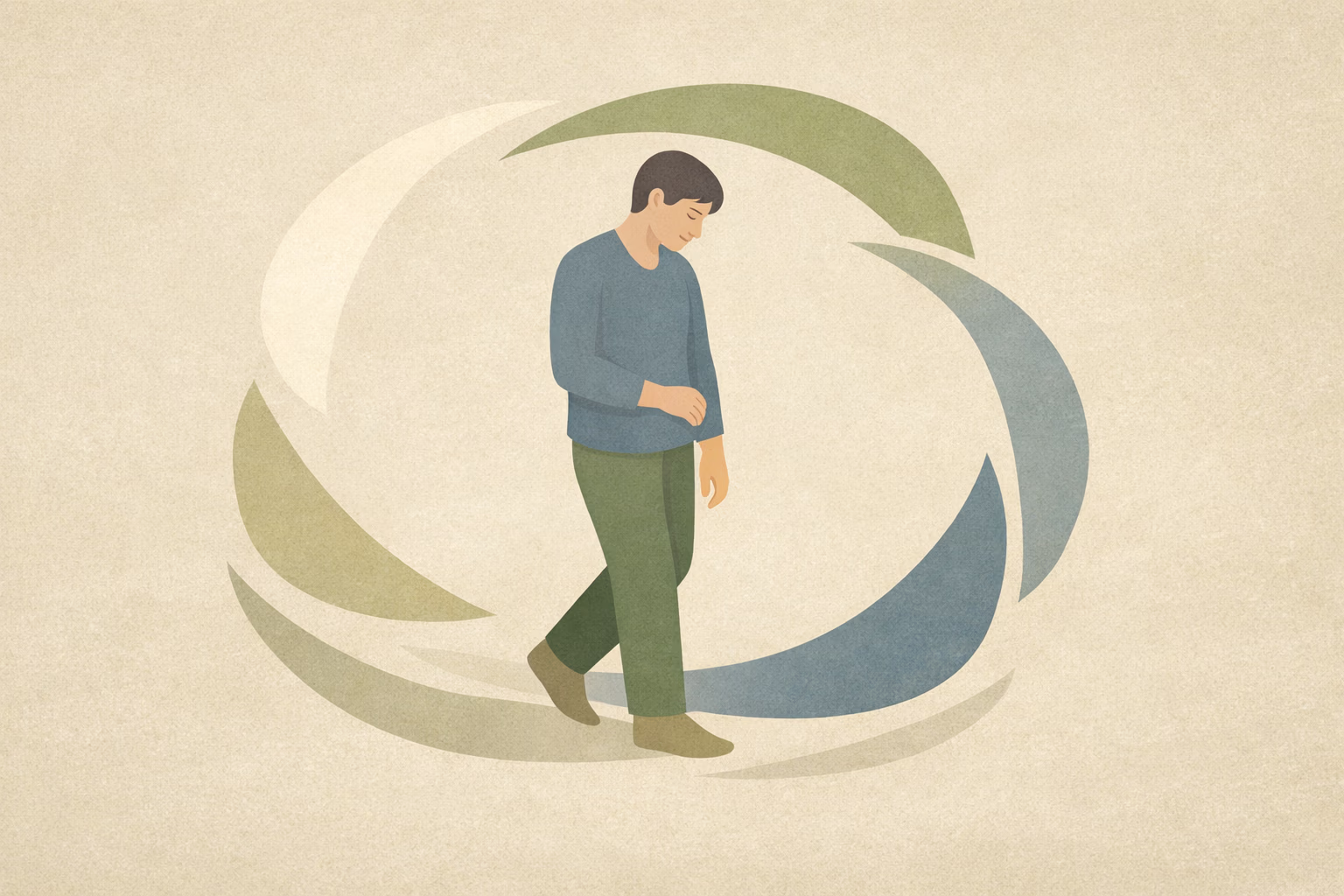
There is a moment when you look elsewhere.
Not abruptly.
Just enough to reduce intensity.
This turning away is not refusal.
It is redirection.
The system chooses softer ground.
Let that choice be acknowledged without urgency.
Recognize redirection with DojoWell.
Explore DojowellArticles exploring the psychology behind these patterns.
Understand why you avoid important things and how emotional threat drives delay.

Understand why you avoid your inner world and how it intensifies suffering.
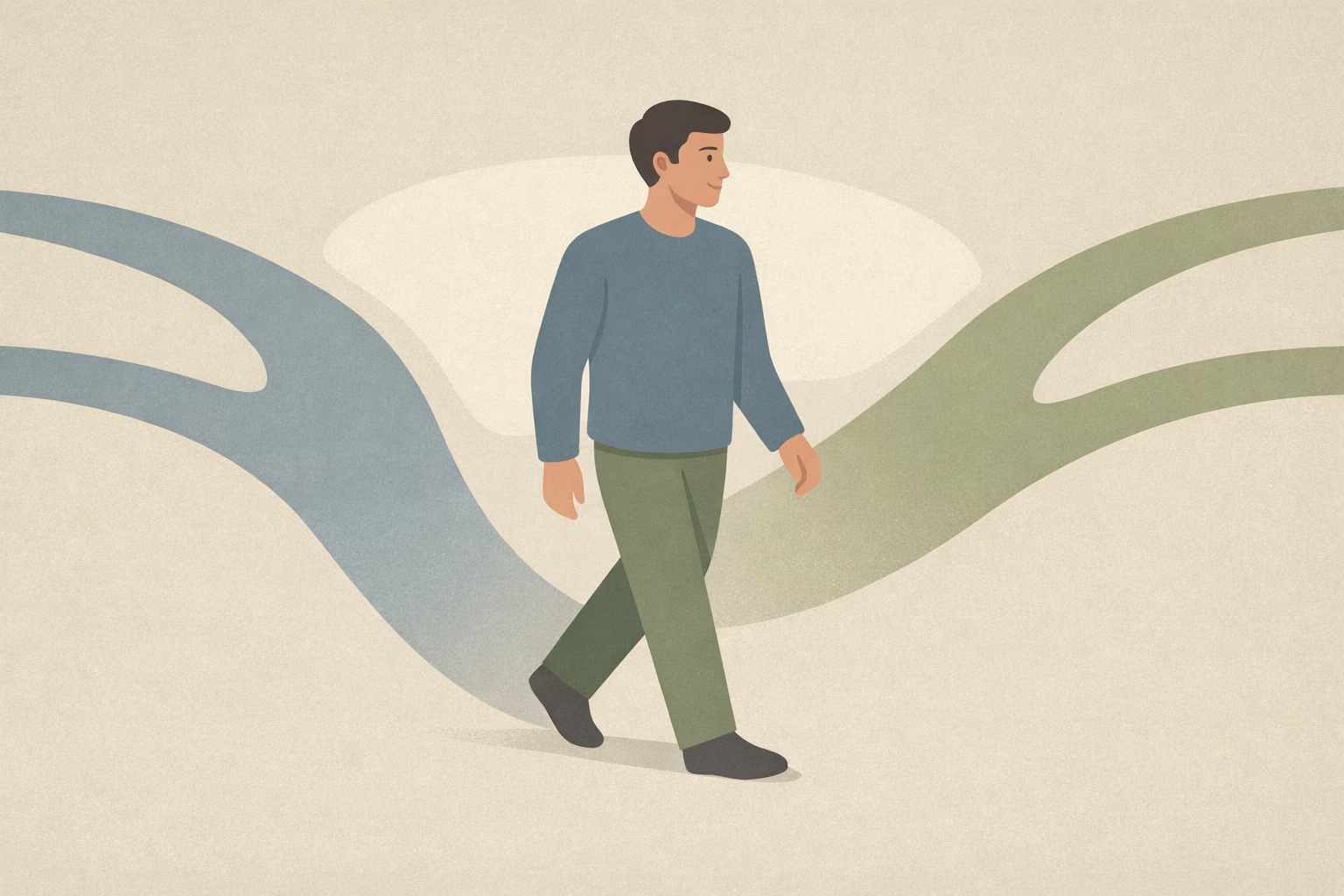
Learn why avoidance is neurologically rewarding and how to break the cycle.
You reached "The Moment You Look Elsewhere." Turning away often happens quietly when the "Meaning Density" of a task spikes. In the Meaning Density Model™, this is a "Systemic Shunt"—your brain is diverting energy away from a perceived Threat. Naming this redirection without blame allows you to stay "Aware" without triggering a shame loop. It’s a technical shift, not a moral failure.
Don't "whip" yourself back to work. Gently acknowledge: "My attention redirected because that task felt heavy." This "Technical Recognition" satisfies the Narrative system. By removing the blame, you lower the Threat level of the original task. DojoWell suggests a "Slow Pivot" back. Acknowledge the redirection, take a breath, and then look back at the task with "Soft Eyes."
One Quiet Window, one insight, one reflection — every Sunday