

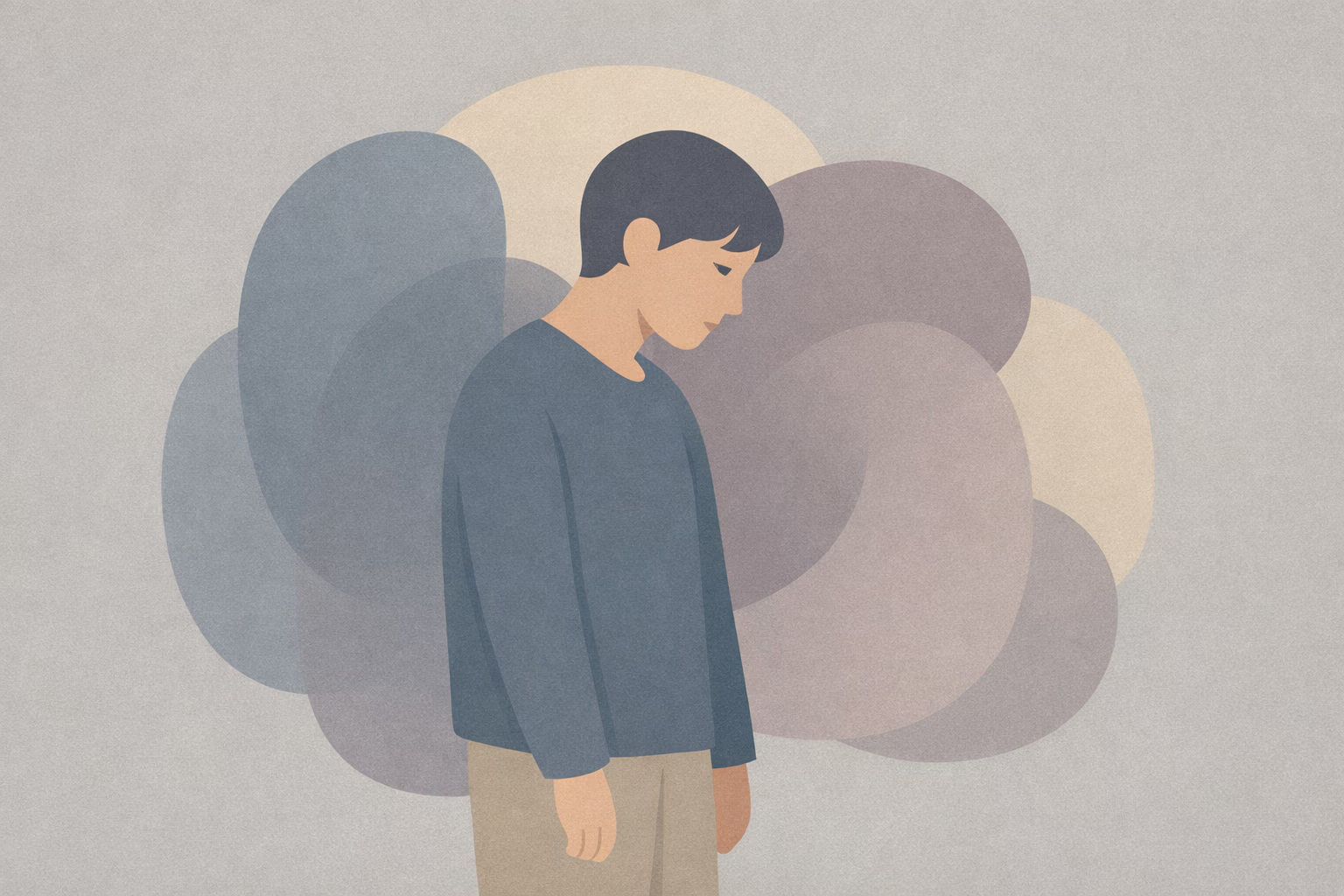
Guilt, Shame & Behavioral Control
Learn how guilt and shame evolved to maintain tribe belonging and how they misfire today.
In context: Blame is a tool of the Status & Control system used to avoid the “Threat“ of uncertainty. By assigning fault, the brain creates a false sense of order. Removing blame creates “Psychological Safety.

In this space, fault isn’t assigned.
Nothing points back at you.
The slate is clean because nothing was written.
Blame has no surface to land on.
Let the absence of accusation settle quietly.
Enter blame-free space with DojoWell.
Explore DojowellArticles exploring the psychology behind these patterns.
Learn how guilt and shame evolved to maintain tribe belonging and how they misfire today.
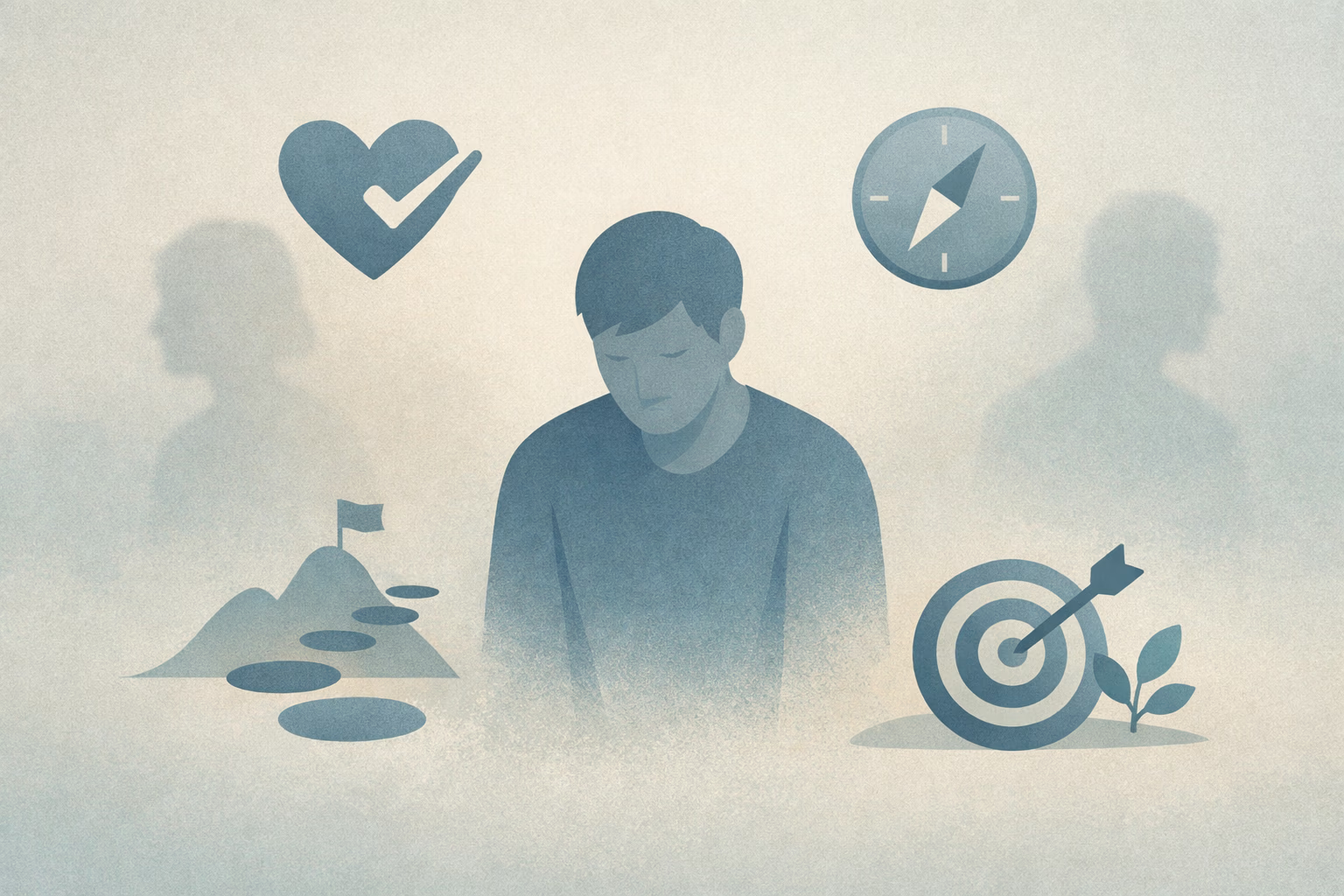
Explore what emotional safety truly means and how to cultivate it.
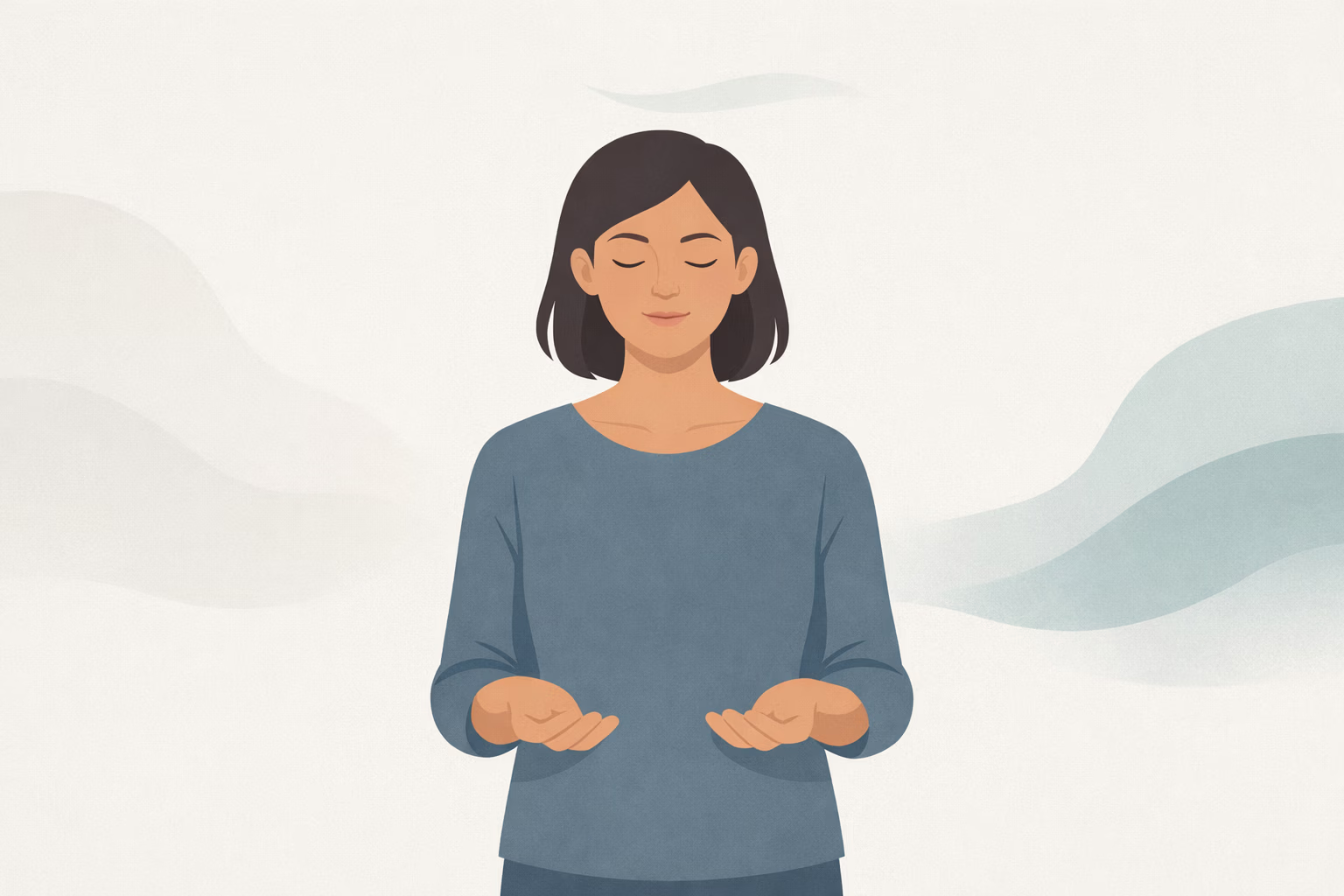
Discover how micro-pausing rewires emotional reactions.
Blame is a tool of the Status & Control system used to avoid the "Threat" of uncertainty. By assigning fault, the brain creates a false sense of order. Removing blame creates "Psychological Safety." In a blame-free space, your Threat system can power down because it no longer needs to find a "guilty party" to feel secure. This allow you to look at "what happened" with structural clarity rather than emotional defensiveness.
Focus on "structural causality" rather than "personal blame." Instead of asking "Who messed up?", ask "What loop stayed open?". This shifts the focus from Status to Structure. By viewing problems as "mechanical" rather than "moral," you remove the shame that prevents learning. This safety allows your Narrative & Identity system to process the event, learn from the integration, and move forward without being anchored by the weight of fault.
One Quiet Window, one insight, one reflection — every Sunday