

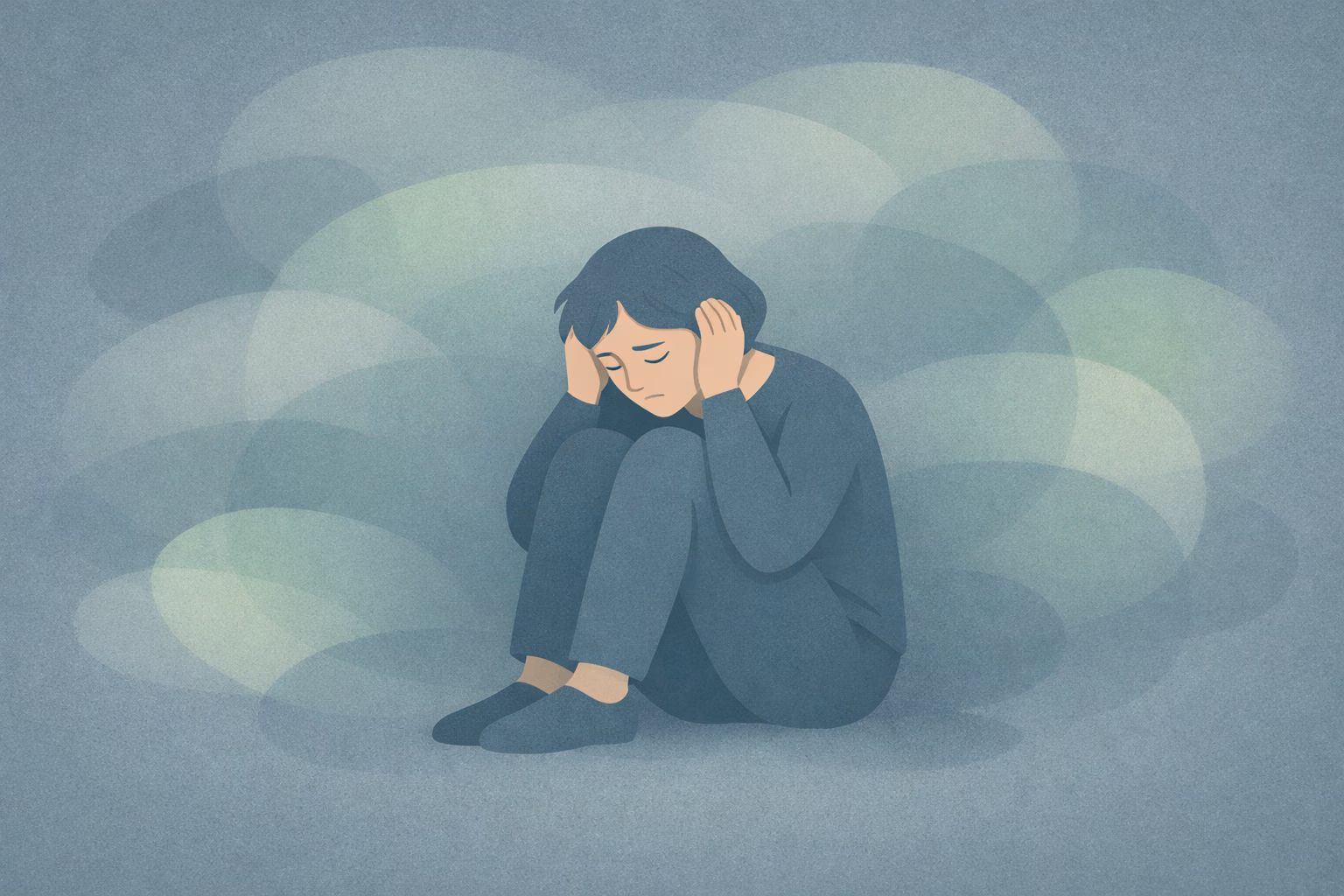
Emotional Overwhelm & Inner Overload
Learn why emotional overwhelm occurs when your brain receives more sensory and emotional input than it evolved to handle.
In context: You are sensitive to “Intrusion.“ Your Threat & Safety system has a “Vigilance Radius“ that it tries to keep clear. When “The World Holds Its Distance,“ you feel safe because your boundaries are not being tested. In the Meaning Density Model™, distance is a “Structural Buffer“ that allows your Identity to feel secure.
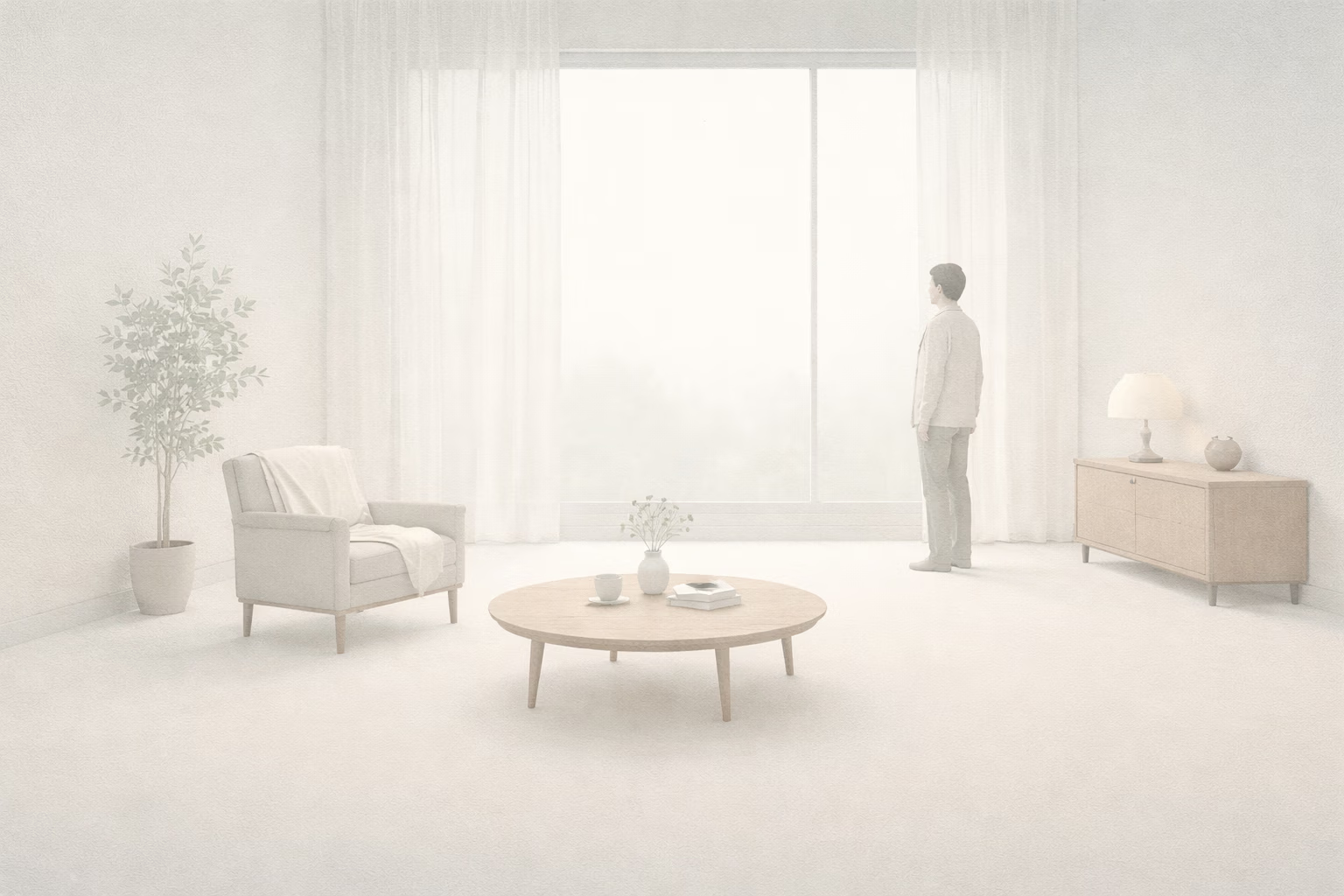
The world holds its distance.
Nothing presses close.
This space matters.
The nervous system relaxes when boundaries are respected.
You do not need to defend or withdraw.
Distance can exist without isolation.
Let the spacing remain.
Safety increases when intrusion is absent.
Reduce perceived intrusion with DojoWell.
Explore DojowellArticles exploring the psychology behind these patterns.
Learn why emotional overwhelm occurs when your brain receives more sensory and emotional input than it evolved to handle.
Explore what emotional safety truly means and how to cultivate it.
Discover how micro-pausing rewires emotional reactions.
You are sensitive to "Intrusion." Your Threat & Safety system has a "Vigilance Radius" that it tries to keep clear. When "The World Holds Its Distance," you feel safe because your boundaries are not being tested. In the Meaning Density Model™, distance is a "Structural Buffer" that allows your Identity to feel secure. Recognizing and protecting this distance is a valid act of self-preservation, not social anxiety.
Create "Internal Distance" through "Selective Focus." Imagine a "Meaning Boundary" around your body. Even in a crowd, you can choose to only "integrate" the data within your immediate reach. By letting the rest of the world "stay at a distance" mentally, you reduce the "Input Density" on your nervous system. DojoWell suggests using "Soft Eyes"—looking at the world without "grabbing" data—to maintain your internal safety.
One Quiet Window, one insight, one reflection — every Sunday