Avoidance Loops and Unmet Needs
Understand why avoidance hides real needs and how to stop.
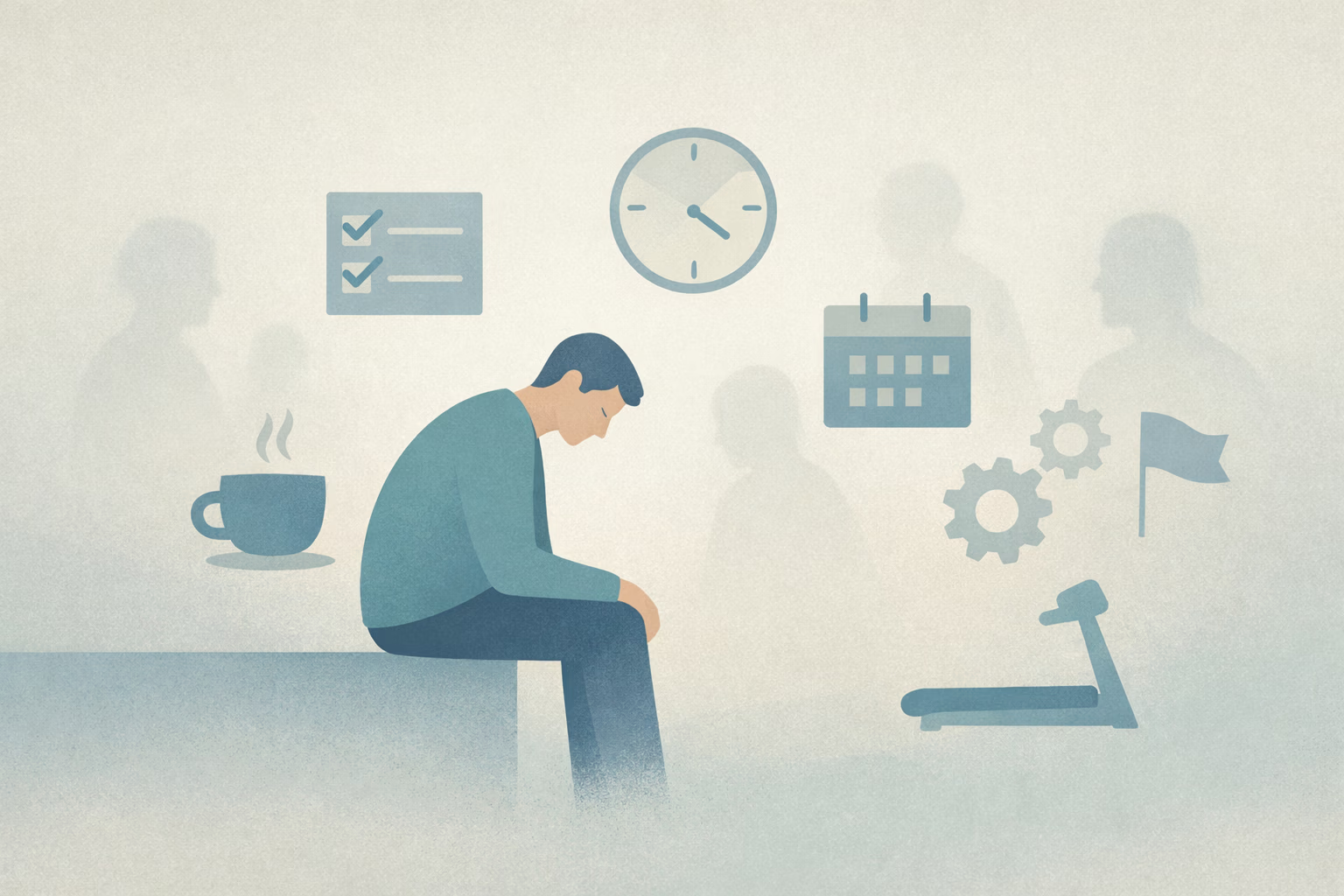
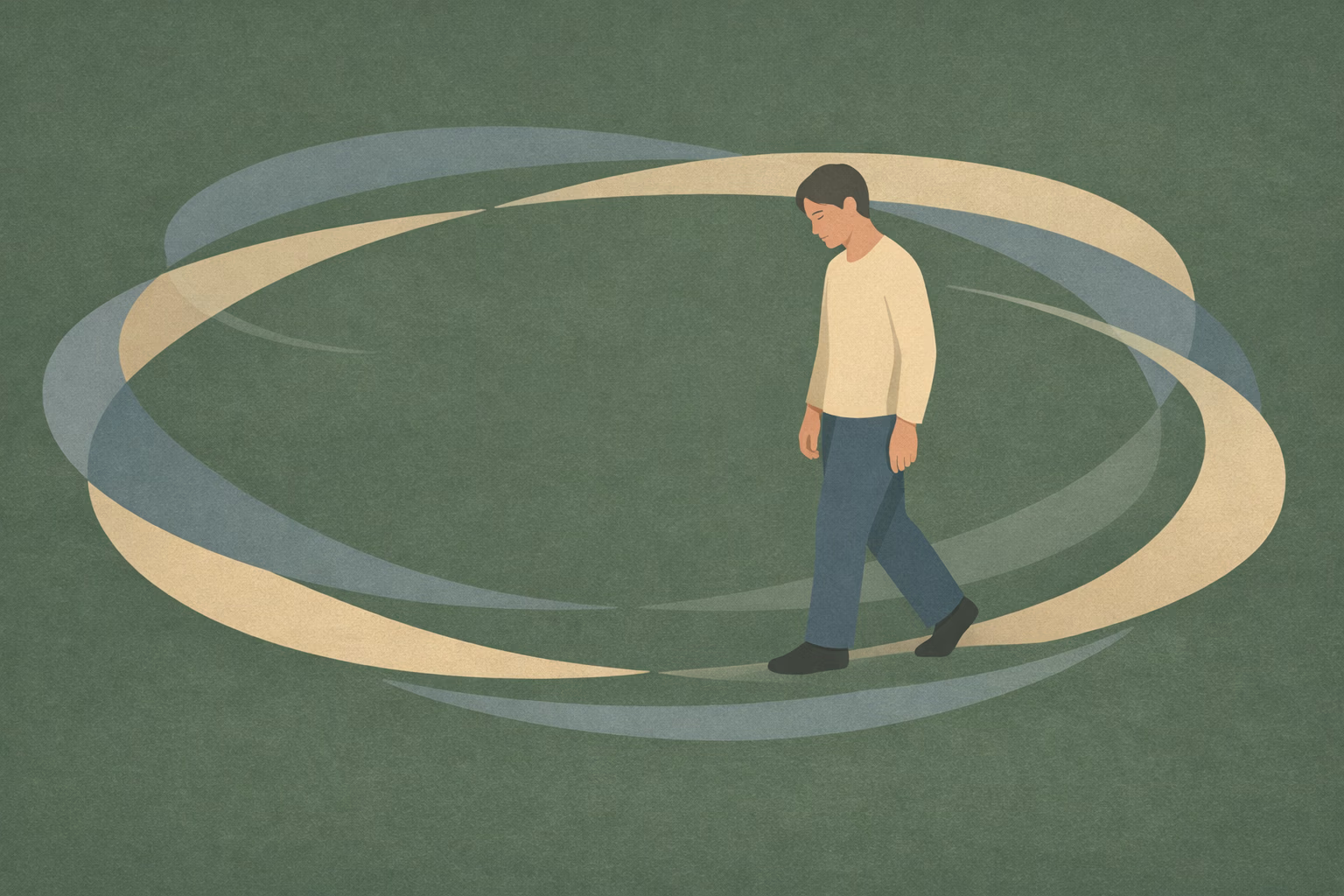
In context: Not necessarily. A delay implies a “pause-with-tension,“ where the loop remains open and active. A structural pause, however, is a choice to let the system settle. When you reframe stillness as a necessary part of the “integration cycle“ rather than a postponement of labor, the internal conflict between your Threat and Reward systems diminishes.

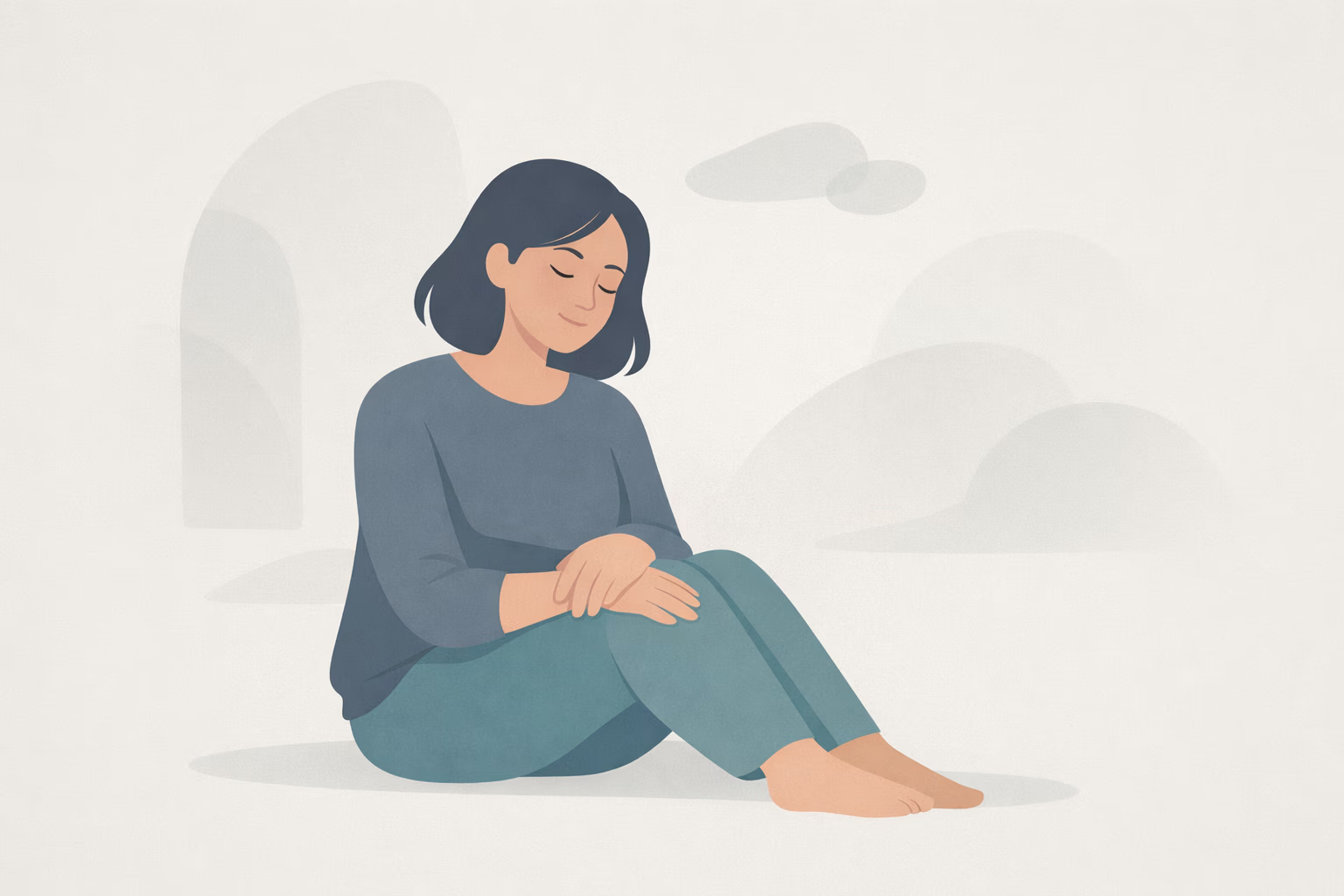
Nothing is being delayed here.
There is no timeline slipping away.
The sign stays blank because no instruction is needed.
This pause is complete on its own.
Let urgency loosen when you realize nothing is waiting behind you tapping its foot.
Reframe pause with DojoWell.
Explore DojowellArticles exploring the psychology behind these patterns.
Not necessarily. A delay implies a "pause-with-tension," where the loop remains open and active. A structural pause, however, is a choice to let the system settle. When you reframe stillness as a necessary part of the "integration cycle" rather than a postponement of labor, the internal conflict between your Threat and Reward systems diminishes. This shift allows the pause to actually be restorative rather than just a source of guilt.
Conflict arises when one part of you wants to stop while another part (the Status & Control system) demands movement. By labeling the pause as "active integration" rather than "passive delay," you give the mind a structural reason to let go. This alignment stops the internal "tug-of-war," allowing your nervous system to move out of a state of friction and into a state of coherent, quiet presence.
One Quiet Window, one insight, one reflection — every Sunday