

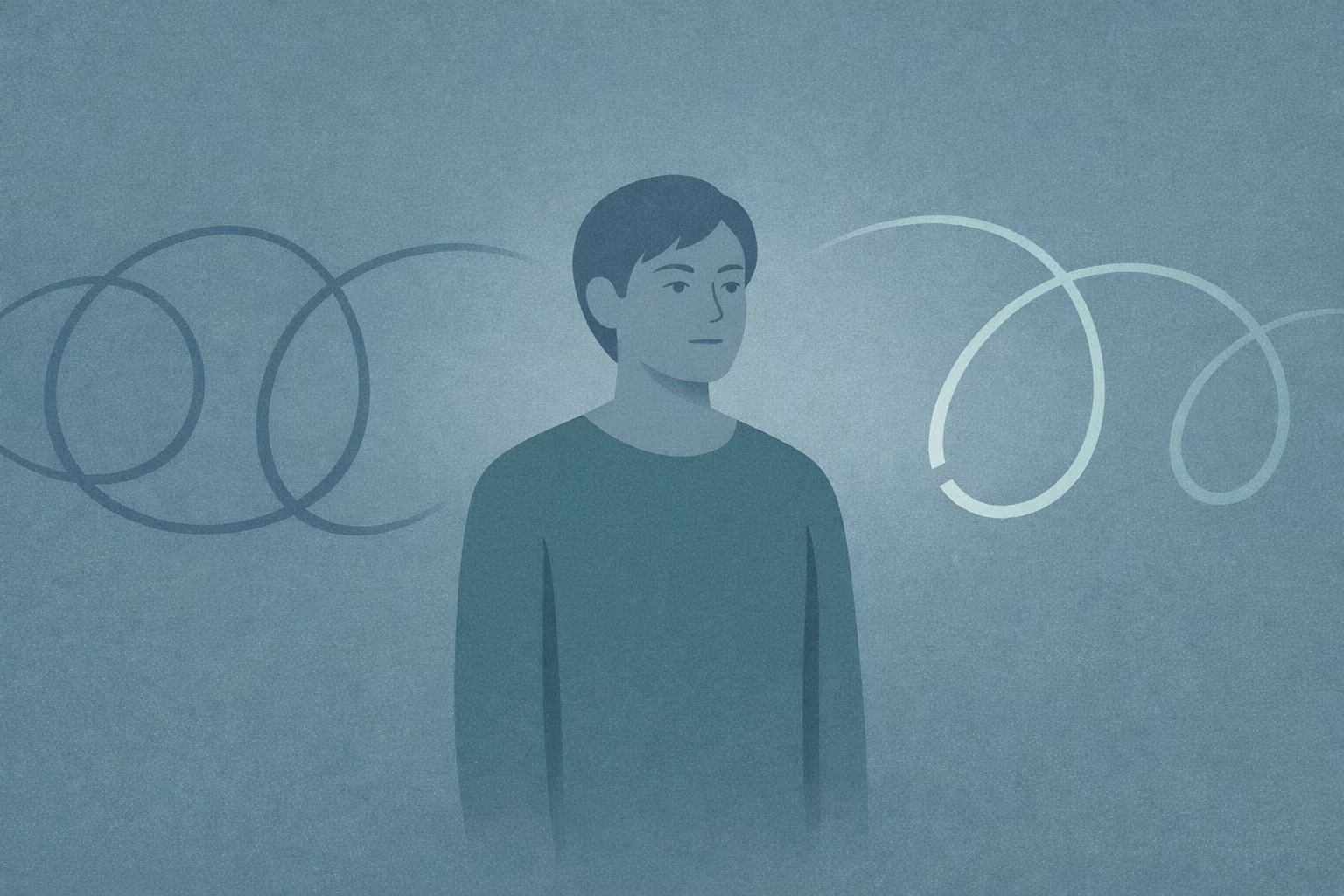
Stress Loop Awareness & Early Detection
Discover how to identify stress loops early.
In context: Under saturation, “Silence“ can feel “Unsafe.“ Your nervous system is so used to “Signal Density“ that it treats a lack of input as an “Ambiguous Void.“ The Threat system wonders: “What am I missing?“ Silence becomes a space where hidden threats could be hiding.

Silence does not feel neutral.
It feels unfinished, uncertain.
The body waits for interruption.
This does not mean silence is dangerous.
It means the nervous system associates quiet with incoming change.
Naming this ambiguity matters.
You are not uncomfortable with silence itself— you are monitoring it.
Recognition allows quiet to exist without needing explanation.
Reframe silence safely with DojoWell.
Explore DojowellArticles exploring the psychology behind these patterns.
Discover how to identify stress loops early.
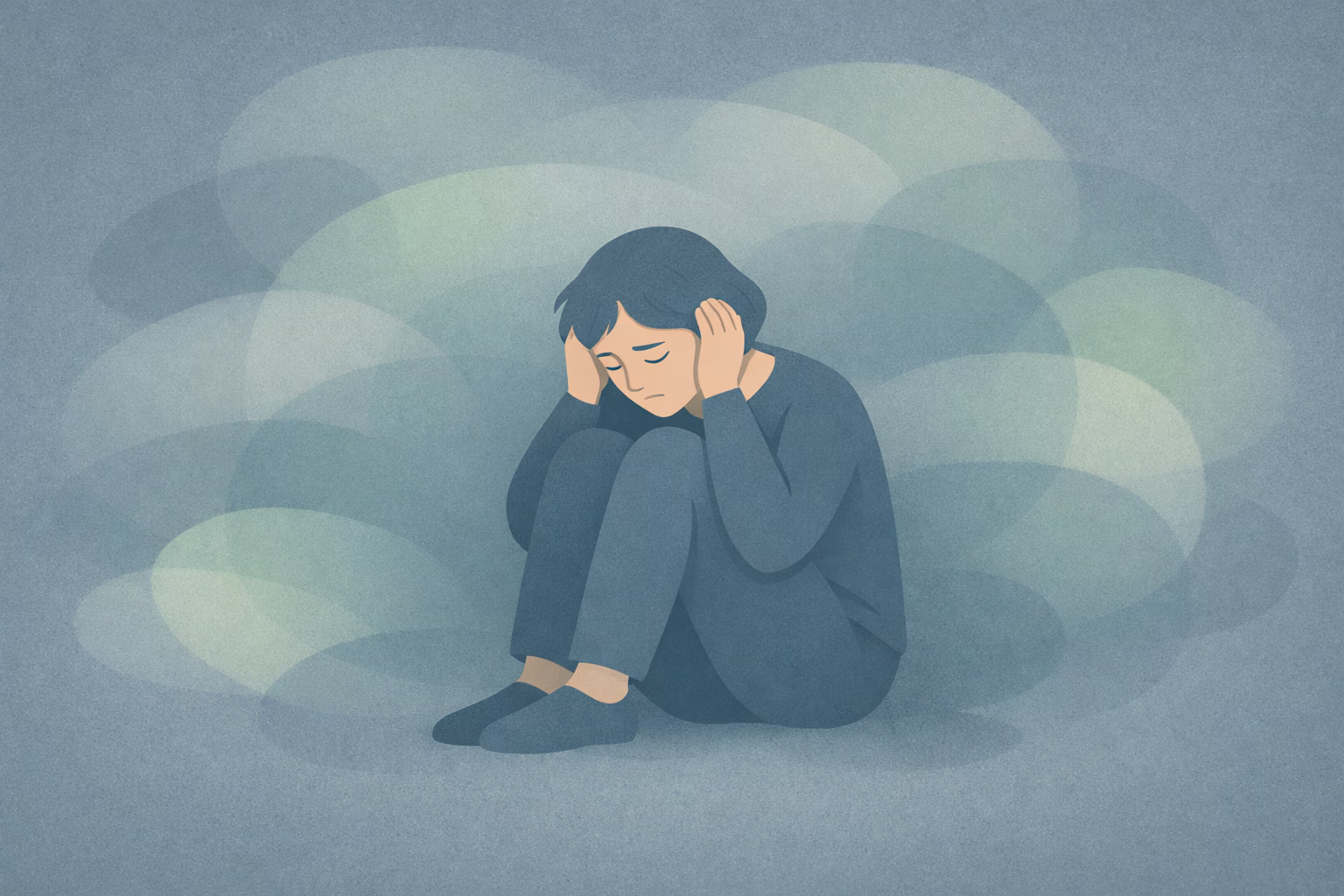
Learn why emotional overwhelm occurs when your brain receives more sensory and emotional input than it evolved to handle.

Understand why self-righteousness often hides insecurity and emotional fear.
Under saturation, "Silence" can feel "Unsafe." Your nervous system is so used to "Signal Density" that it treats a lack of input as an "Ambiguous Void." The Threat system wonders: "What am I missing?" Silence becomes a space where hidden threats could be hiding. In the Meaning Density Model™, your "Vigilance Loop" is looking for something to track, and the quiet makes the search feel more urgent.
Introduce a "Low-Information Anchor." Listen to soft ambient noise or a ticking clock. This provides a "Minimal Signal" that proves the environment is active but non-threatening. By giving your Safety system something simple to "track," you prevent it from spiraling into the "Ambiguity Loop." Over time, you can lower the anchor as your system relearns that "Nothing Happening" is the ultimate completion signal.
One Quiet Window, one insight, one reflection — every Sunday