

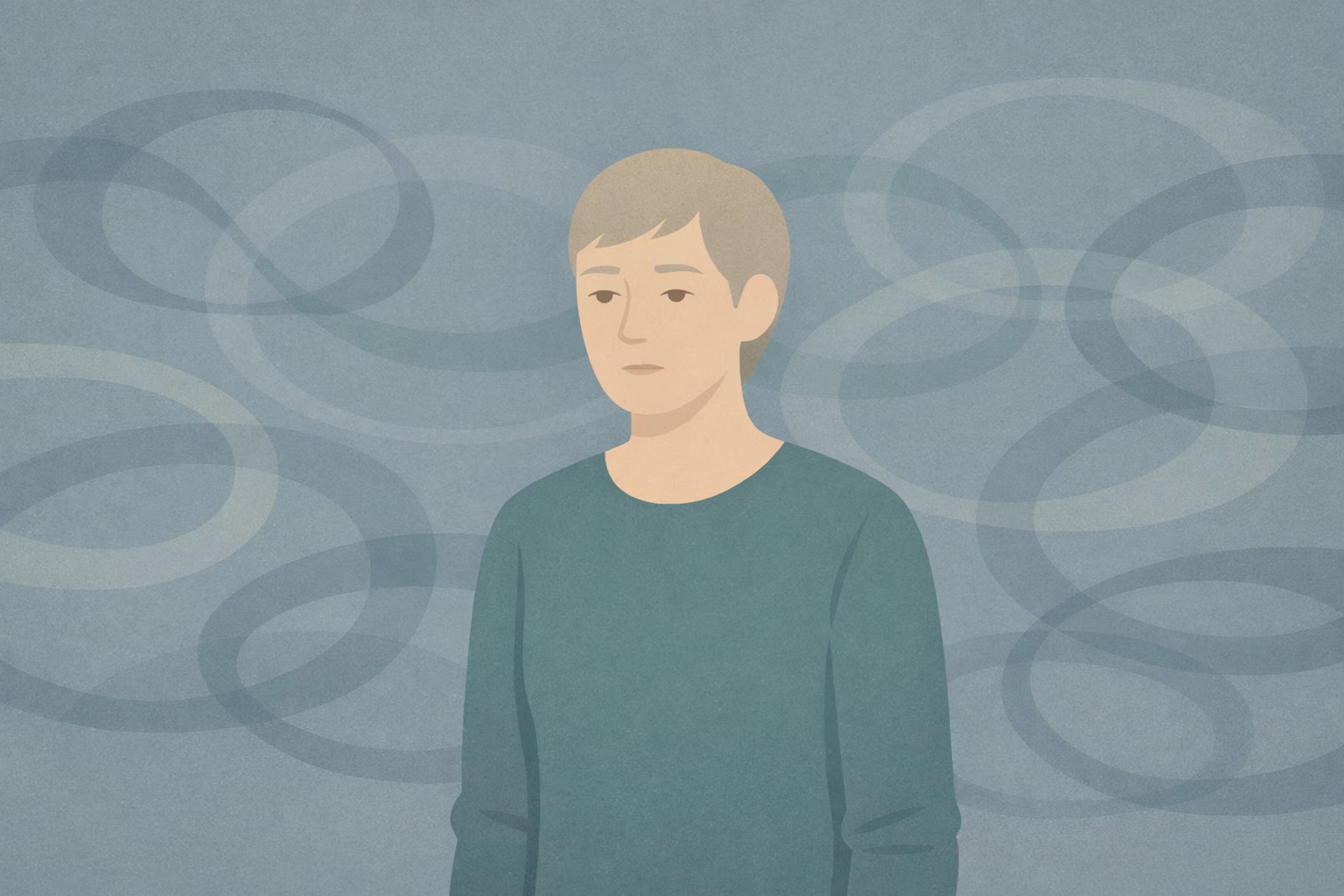
Chronic Stress Patterns & Invisible Loops
Understand how chronic stress becomes invisible and shapes behavior.
In context: No, but your “Mobilization has Persisted.“ In the Meaning Density Model™, if you spend too much time in a high-load environment, your nervous system adopts “Sustained Activation“ as its new “Baseline.“ You have normalized a “Ready“ state. This isn't a permanent change to your Identity, but a temporary “Structural Adjustment.
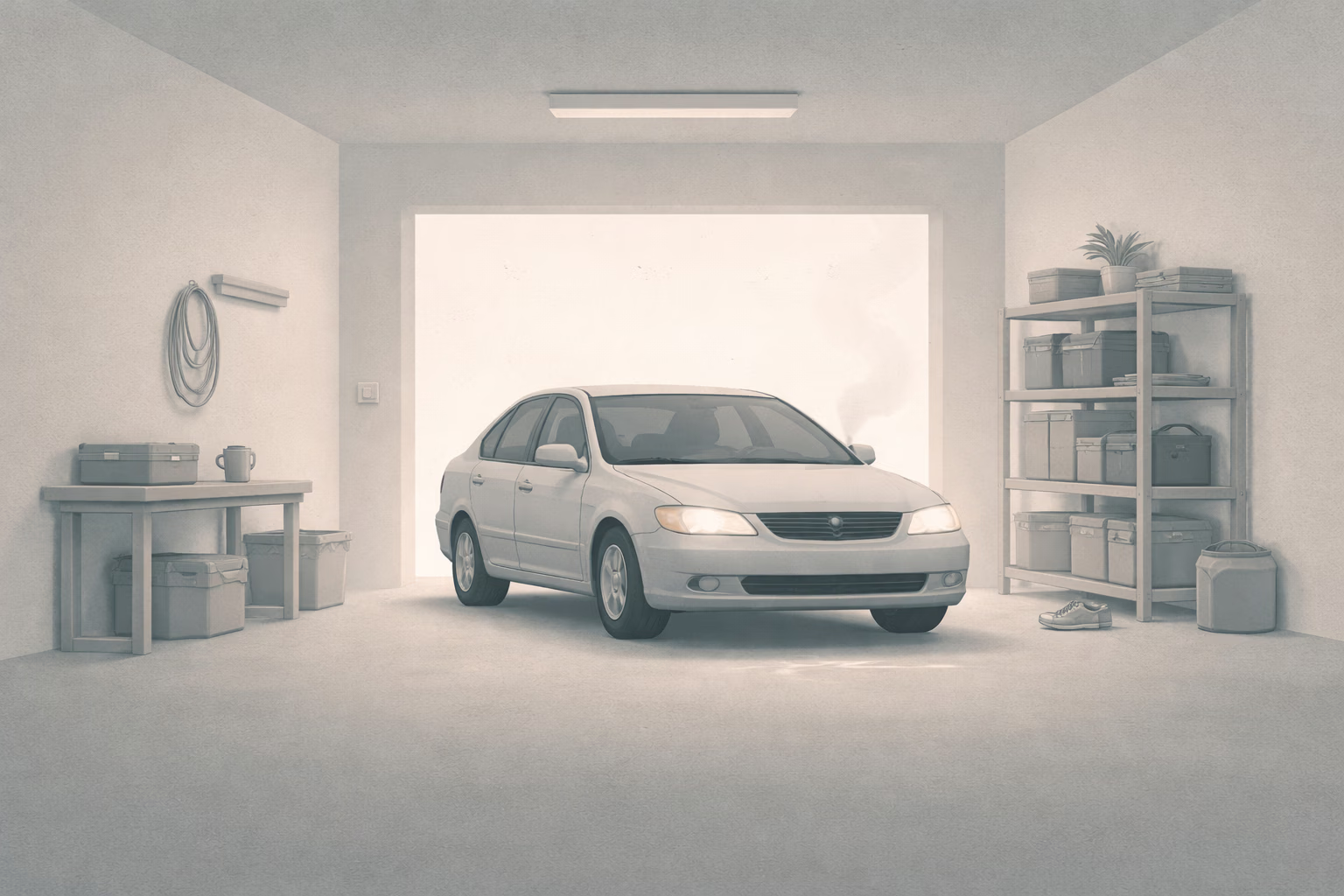
The body stays mobilized.
Energy hums without release.
This sustained activation is not a mistake.
It reflects conditions that required readiness over time.
Normalizing this removes pressure to shut down immediately.
The engine can idle safely.
Recognition allows mobilization to ease when it no longer serves.
Normalize sustained activation with DojoWell.
Explore DojowellArticles exploring the psychology behind these patterns.
Understand how chronic stress becomes invisible and shapes behavior.
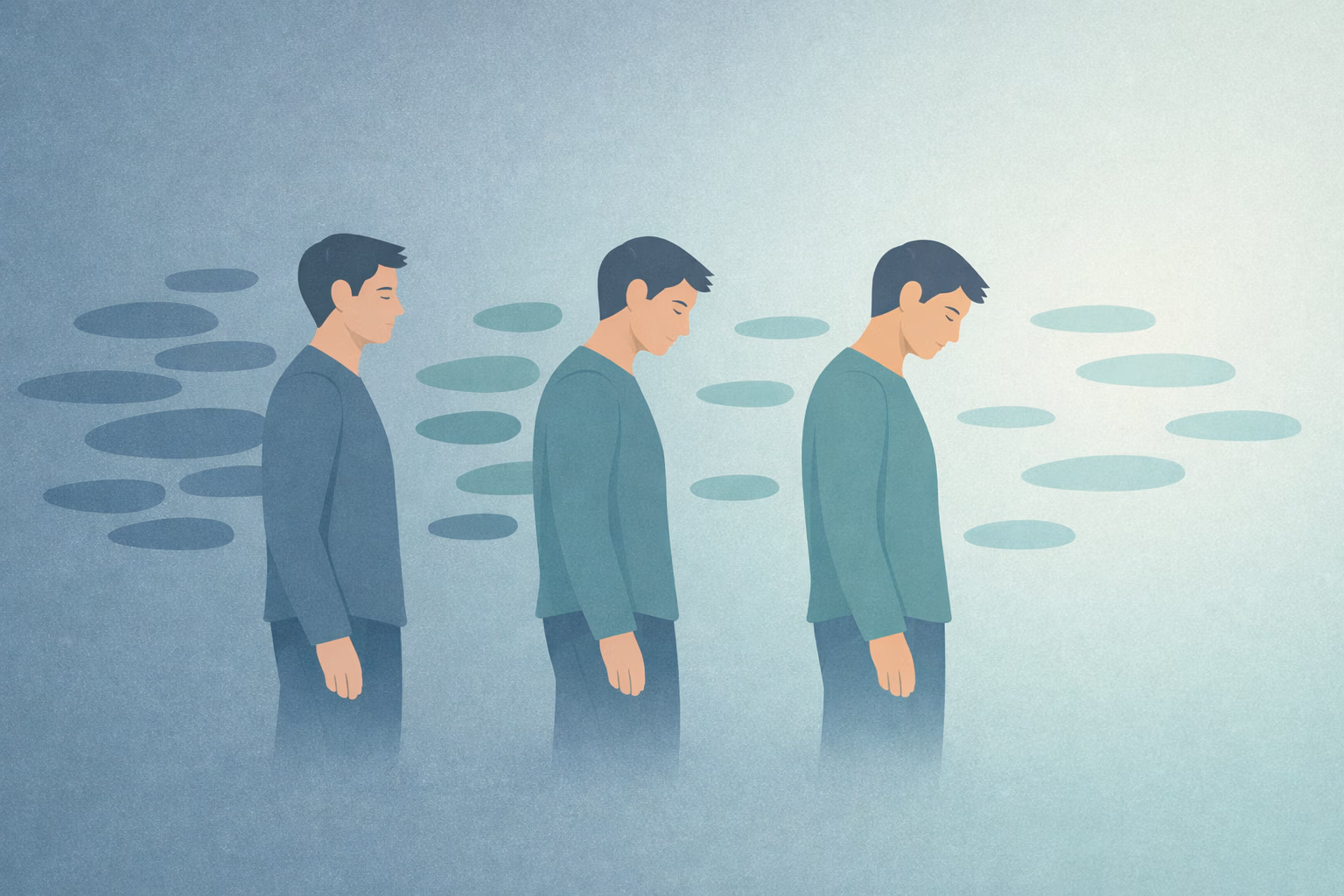
Learn how gradual stress downshifting restores emotional balance.
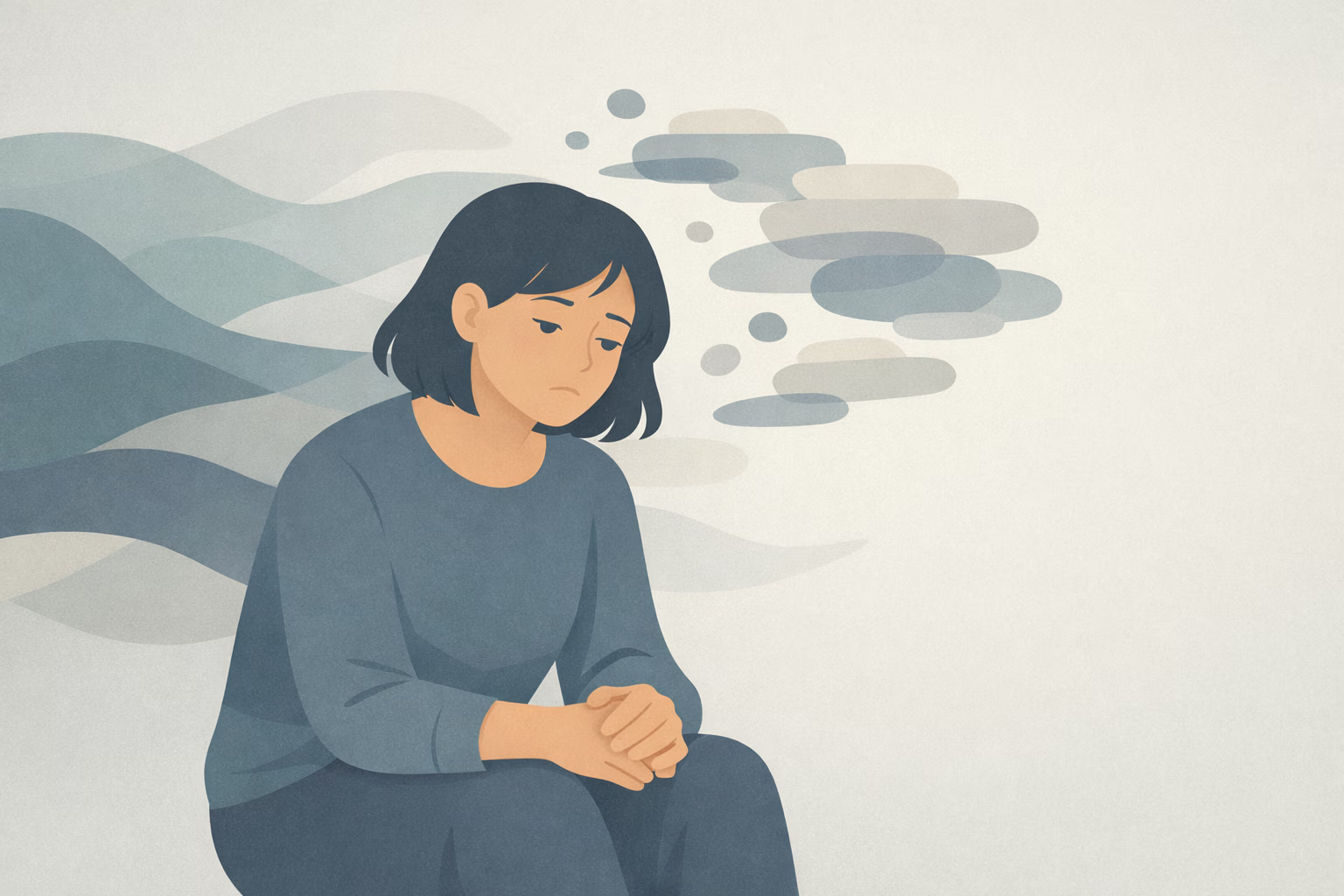
Understand the signs and causes of cognitive overload.
No, but your "Mobilization has Persisted." In the Meaning Density Model™, if you spend too much time in a high-load environment, your nervous system adopts "Sustained Activation" as its new "Baseline." You have normalized a "Ready" state. This isn't a permanent change to your Identity, but a temporary "Structural Adjustment." It just means your "Power-Down" protocol is taking longer than usual.
Use "Slow-Landing Signals." Since your system is used to high-velocity, you have to "Taper" down slowly. Don't go from "100" to "0." Go from "100" to "80" (a walk), then "60" (a book), then "20" (rest). In DojoWell, we believe that "The Body needs a Runway" to land safely. By respecting the speed of your current activation, you allow it to dissipate without triggering a "Crash Loop."
One Quiet Window, one insight, one reflection — every Sunday