

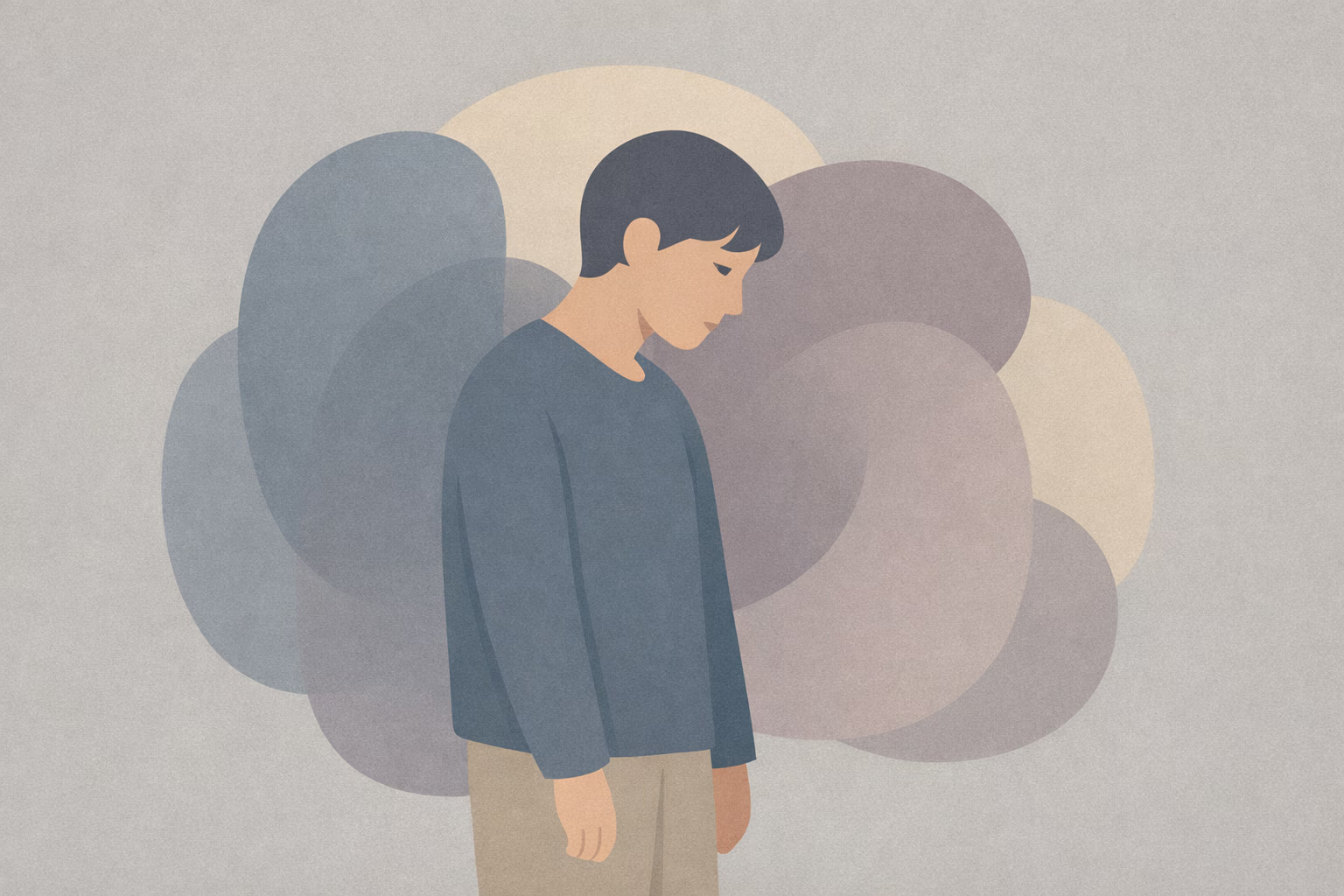
Guilt, Shame & Behavioral Control
Learn how guilt and shame evolved to maintain tribe belonging and how they misfire today.
In context: This is “Self-Surveillance.“ It is an overactive function of the Status & Control system. When you feel like “the scale is always watching,“ your nervous system stays in a state of high-arousal and surveillance. Reducing this internal monitoring supports nervous system ease.
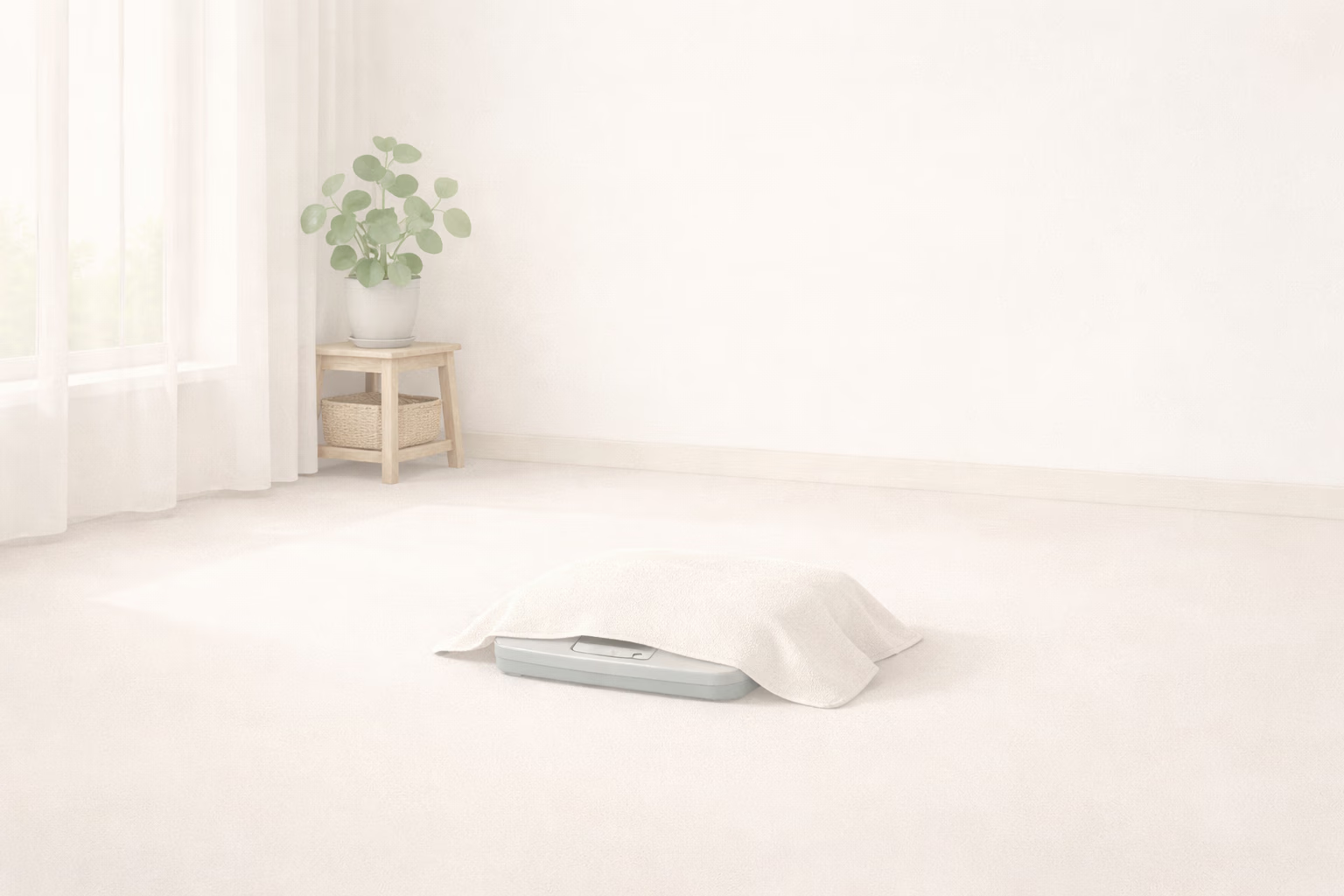
When the scale isn’t watching, the body exhales.
There is no need to monitor, adjust, or explain.
The habit of checking fades.
You are allowed to be unobserved, even by yourself.
Ease self-surveillance with DojoWell.
Explore DojowellArticles exploring the psychology behind these patterns.
Learn how guilt and shame evolved to maintain tribe belonging and how they misfire today.
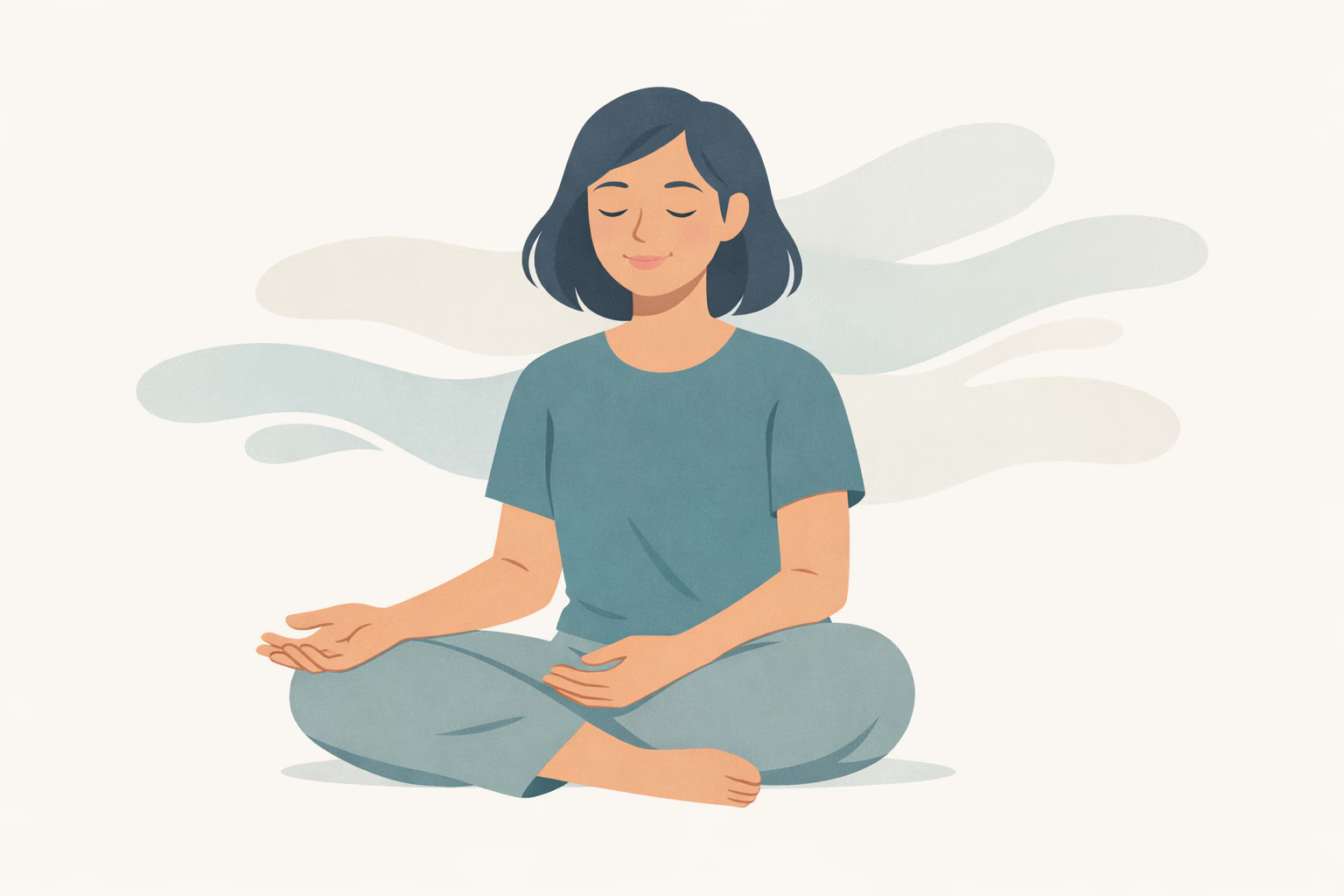
Understand how softening your thinking changes your emotional world.
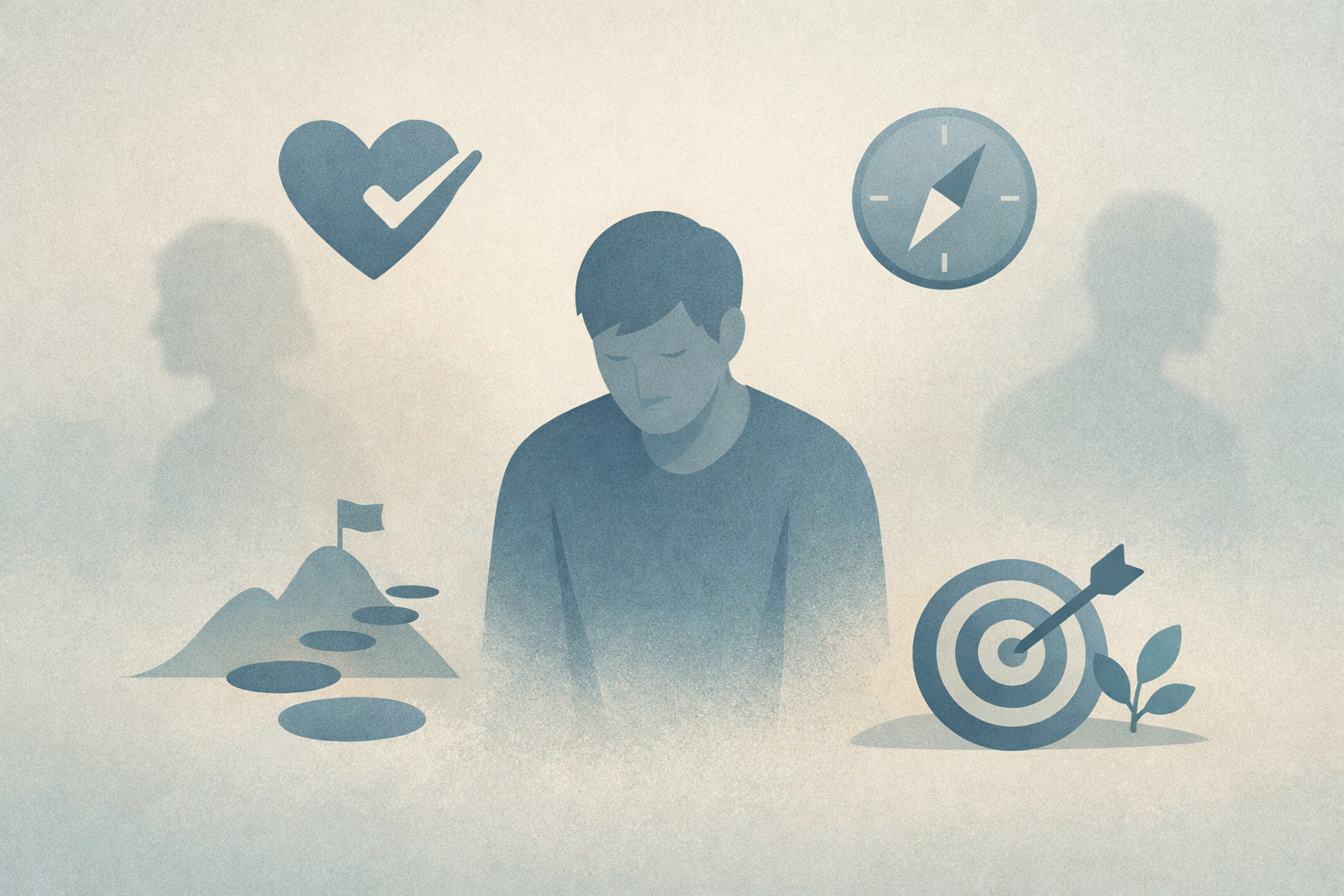
Explore what emotional safety truly means and how to cultivate it.
This is "Self-Surveillance." It is an overactive function of the Status & Control system. When you feel like "the scale is always watching," your nervous system stays in a state of high-arousal and surveillance. Reducing this internal monitoring supports nervous system ease. By intentionally "looking away" from your own performance, you allow your body to move with natural flow rather than the stiff, anxious movements of someone being graded.
Practice "unobserved action." Do something simple—like walking or making tea—with the deliberate intention that "no one, not even me, is watching this for quality." By removing the internal observer, you allow the Narrative system to rest. This reduces the "evaluation load" on your brain, creating the quiet internal environment necessary for your identity to update without the interference of a "correctness" filter.
One Quiet Window, one insight, one reflection — every Sunday