

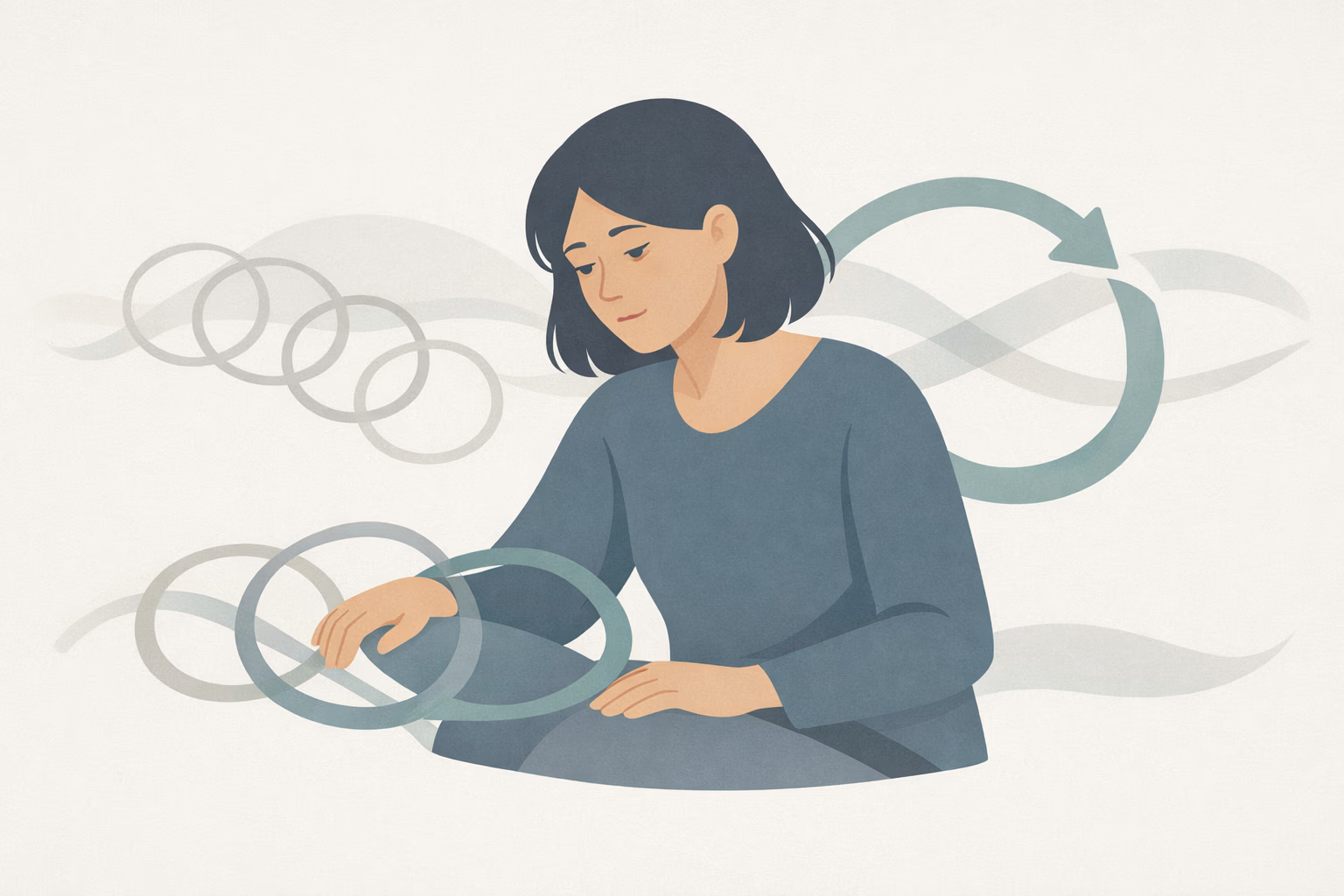
Habitual Thought Patterns & Emotional Loops
Learn how repetitive thoughts shape emotional loops and how to break them.
In context: You “Still Occupy the Same Center,“ you just have to stop the peripheral noise. Imagine your identity as the “axle“ of a wheel. The “rim“ (work, social media, chores) may be spinning fast, but the axle is always still.

When you still occupy the same center, stability returns.
External factors move, roles shift, but the center remains where you stand.
This is not control; it is orientation.
Knowing there is a center allows movement without disorientation.
Recenter with DojoWell.
Explore DojowellArticles exploring the psychology behind these patterns.
Learn how repetitive thoughts shape emotional loops and how to break them.
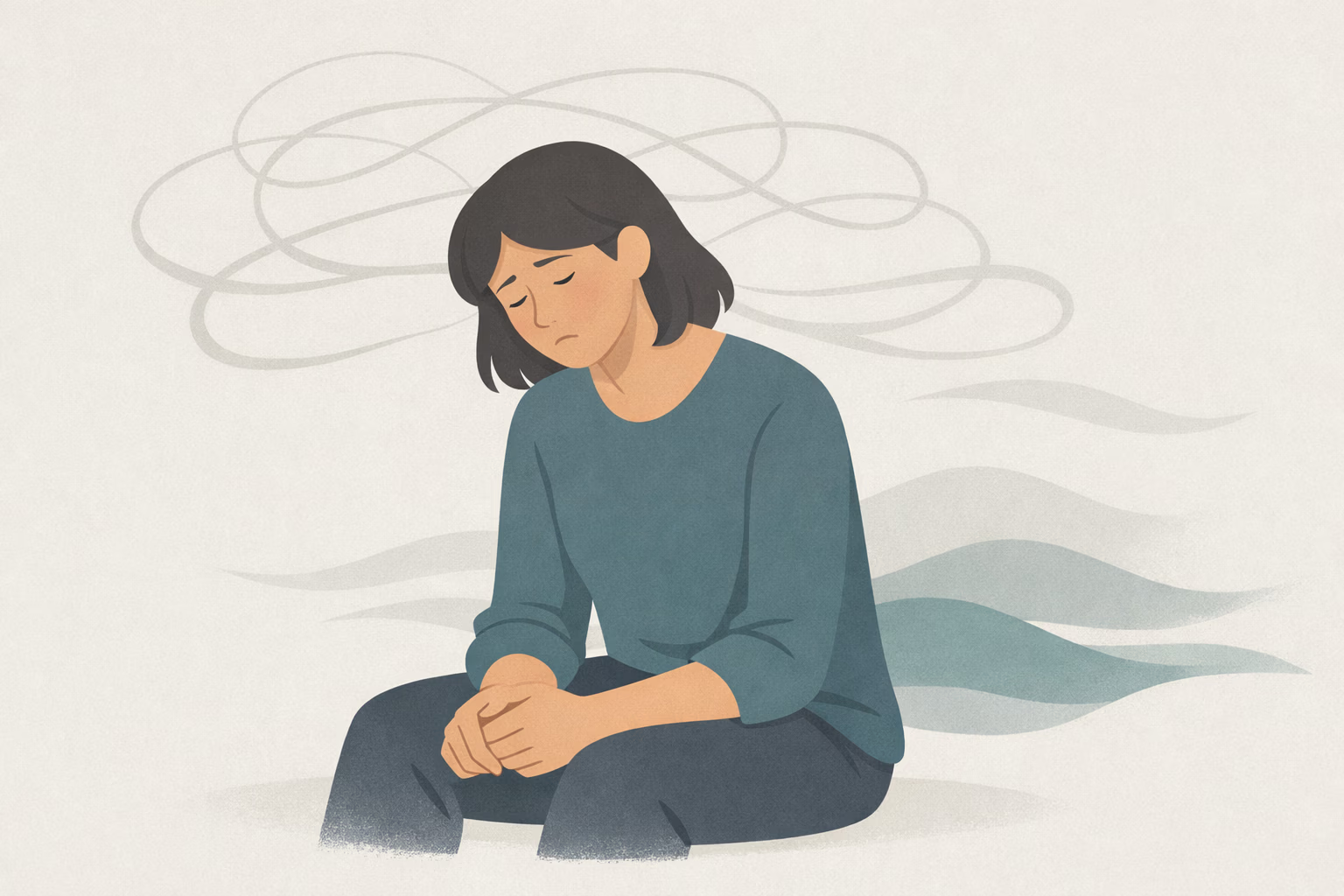
Understand why thinking too much drains your energy and impacts your body.
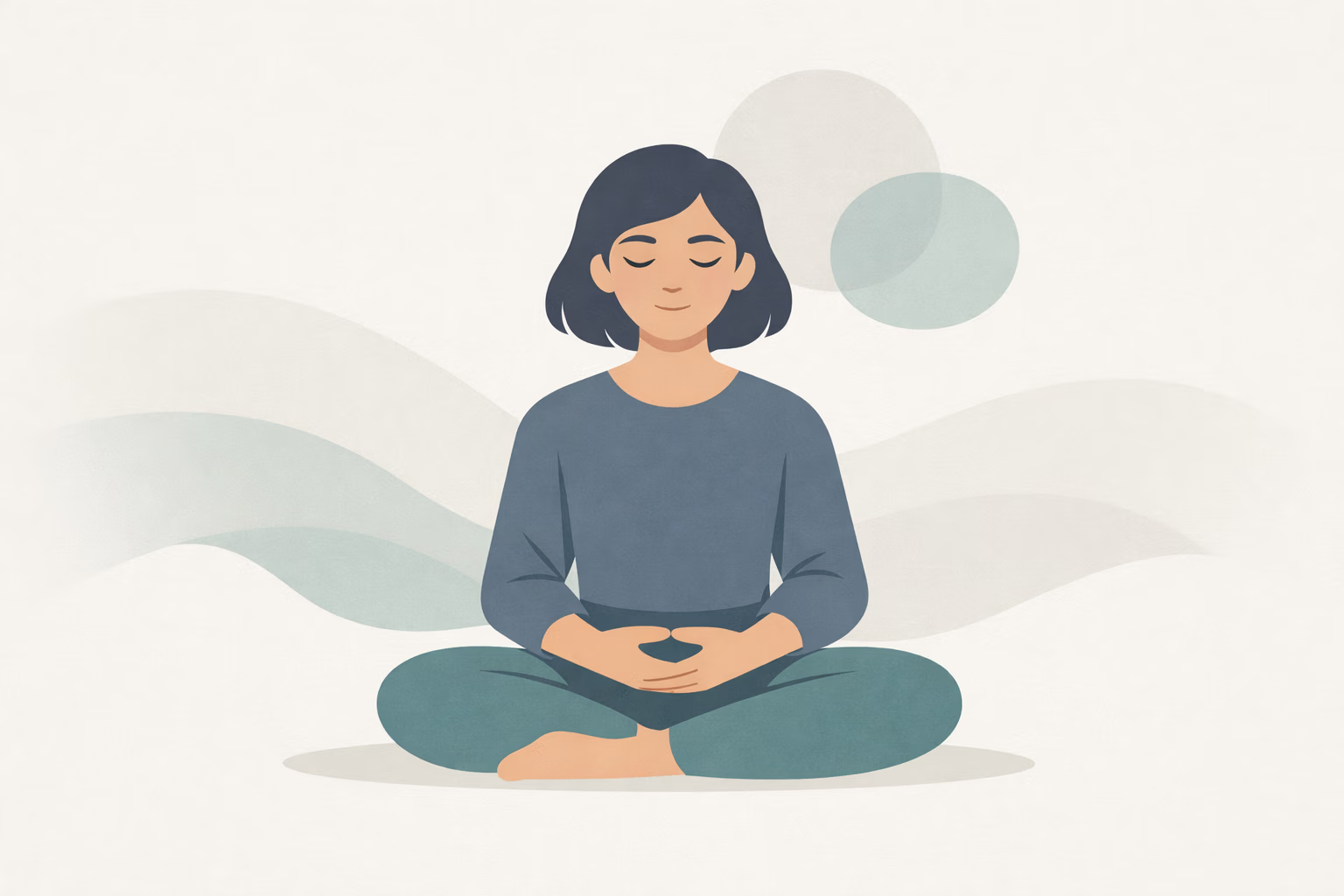
Explore how spiritual practices help you transcend dopamine loops and reorient to meaning.
You "Still Occupy the Same Center," you just have to stop the peripheral noise. Imagine your identity as the "axle" of a wheel. The "rim" (work, social media, chores) may be spinning fast, but the axle is always still. Restoring your sense of an "Internal Center" means moving your attention from the spinning rim back to the still axle. You don't have to "find" the center; you just have to re-occupy it.
It feels like "Being the Observer." Instead of being "pulled" by every trigger, you watch the triggers from a point of stability. You are the "anchor" in the storm. This center is always there, beneath the Threat and Reward spikes. By taking a "Structural Pause" and breathing into your core, you re-align with this center, allowing the world to spin around you without dragging you with it.
One Quiet Window, one insight, one reflection — every Sunday