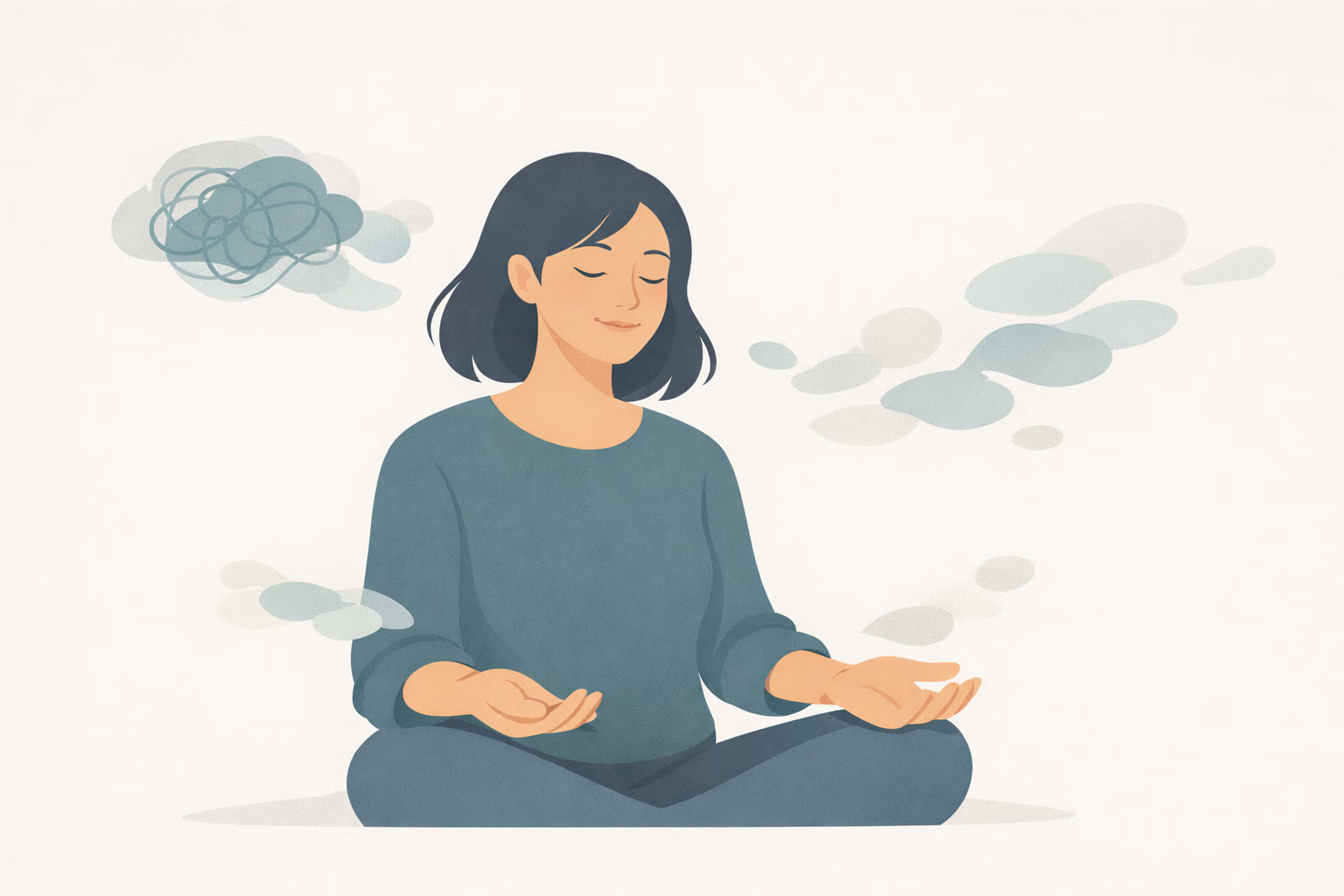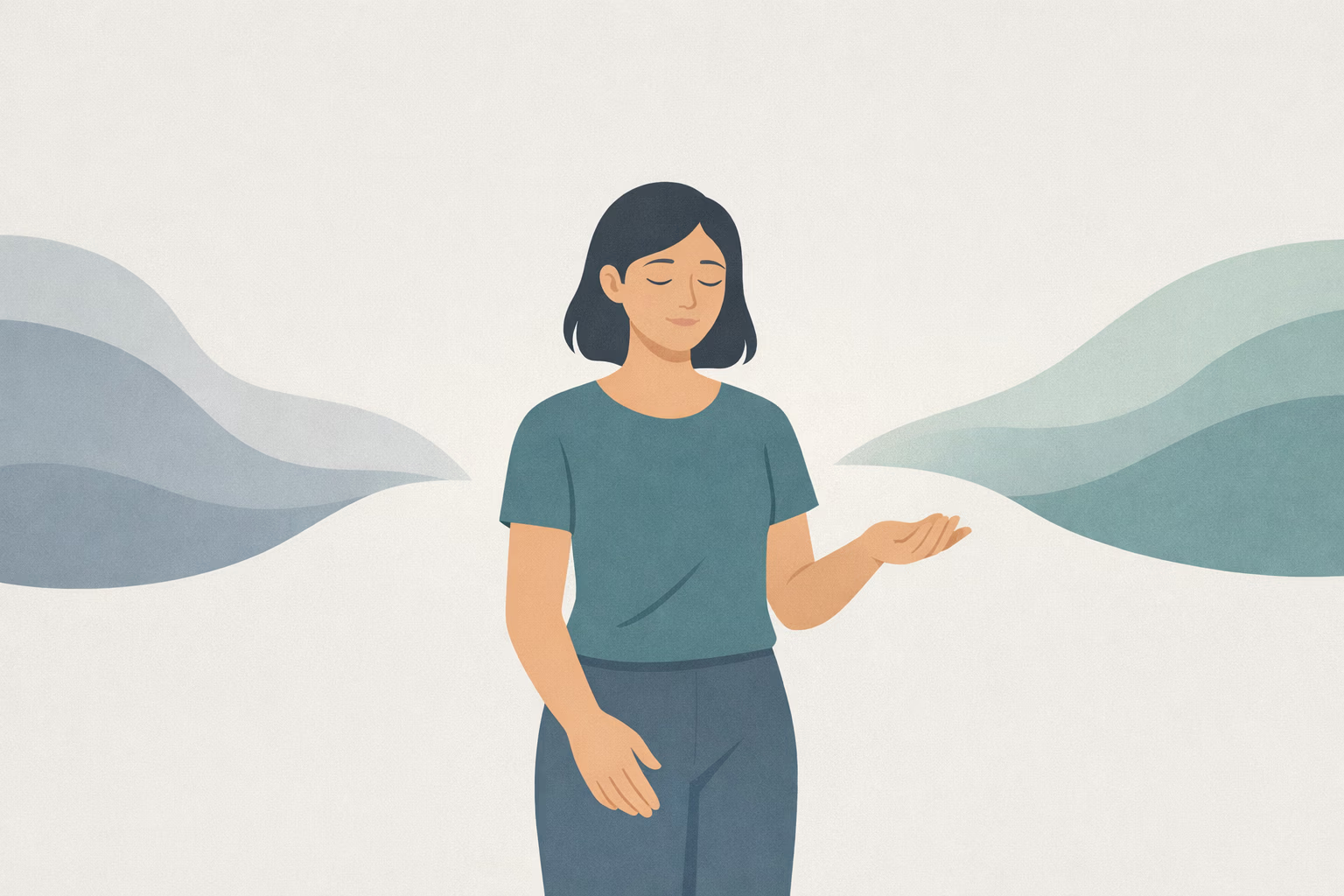
Emotional Reflexes & Instant Reactions
Learn how emotional reflexes form and how to retrain them.
In context: Not during your rest. Constant “self-review“ is a high-velocity loop of the Status system that keeps the brain in a state of active scrutiny. While review has its place, pausing it is essential for integration. By stopping the “performance audit,“ you allow your experiences to settle on their own terms.
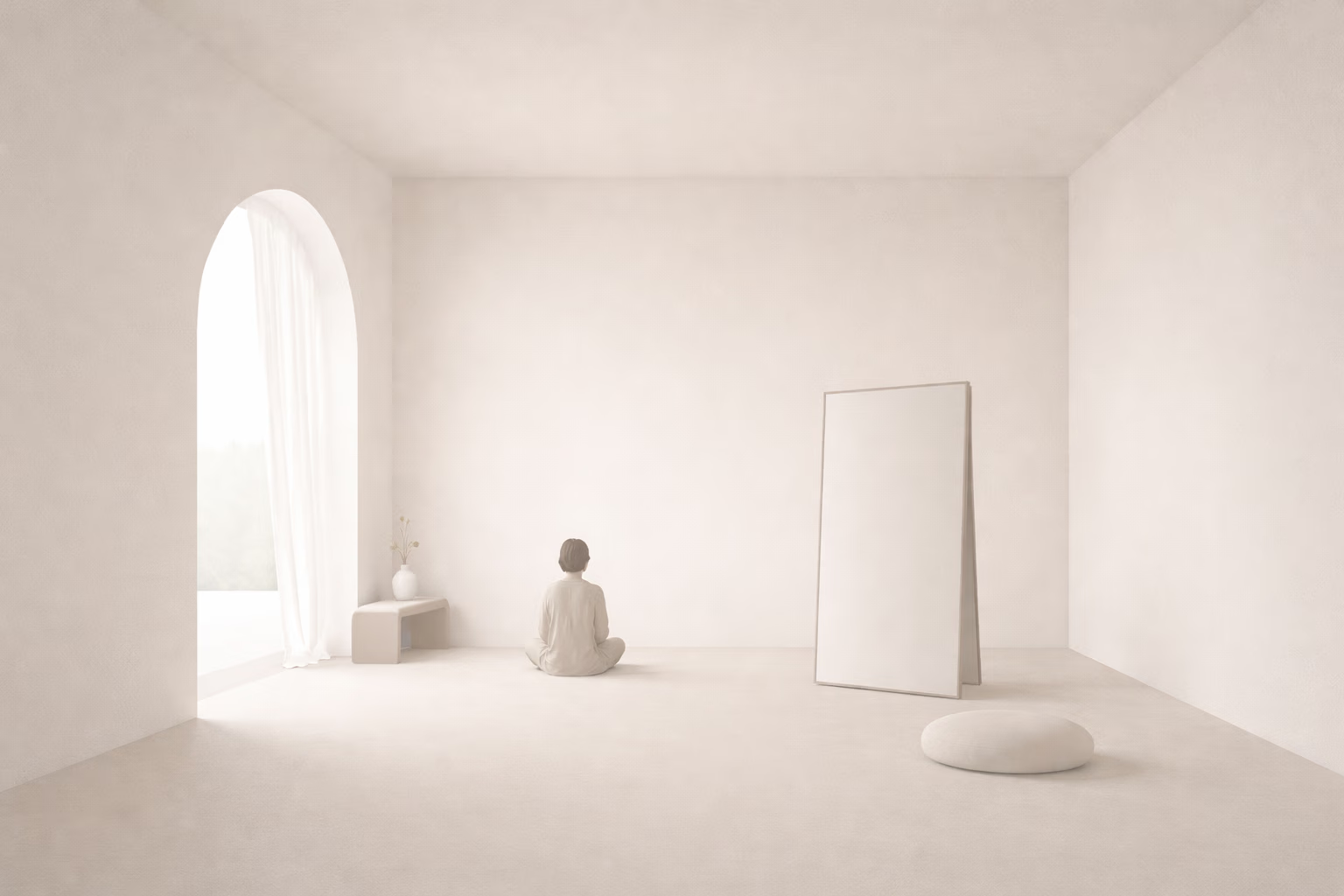
Being here without self-review feels strange, then gentle.
The mirror is turned away.
You are not required to inspect or correct.
Experience unfolds without inspection.
Let that be enough.
Pause self-review with DojoWell.
Explore DojowellArticles exploring the psychology behind these patterns.
Not during your rest. Constant "self-review" is a high-velocity loop of the Status system that keeps the brain in a state of active scrutiny. While review has its place, pausing it is essential for integration. By stopping the "performance audit," you allow your experiences to settle on their own terms. You move from "managing the self" to "being the self," which reduces the internal friction that causes burnout and chronic fatigue.
Reflection is a "high-density" act of witnessing; review is a "low-density" act of grading. Reflection asks "What happened?", while review asks "Was this enough?". In the model, we prioritize reflection because it supports Narrative coherence. Review, however, often keeps you stuck in a loop of "not enoughness." By pausing the review, you give your identity the quiet it needs to update without being interrupted by a performance grade.
One Quiet Window, one insight, one reflection — every Sunday