

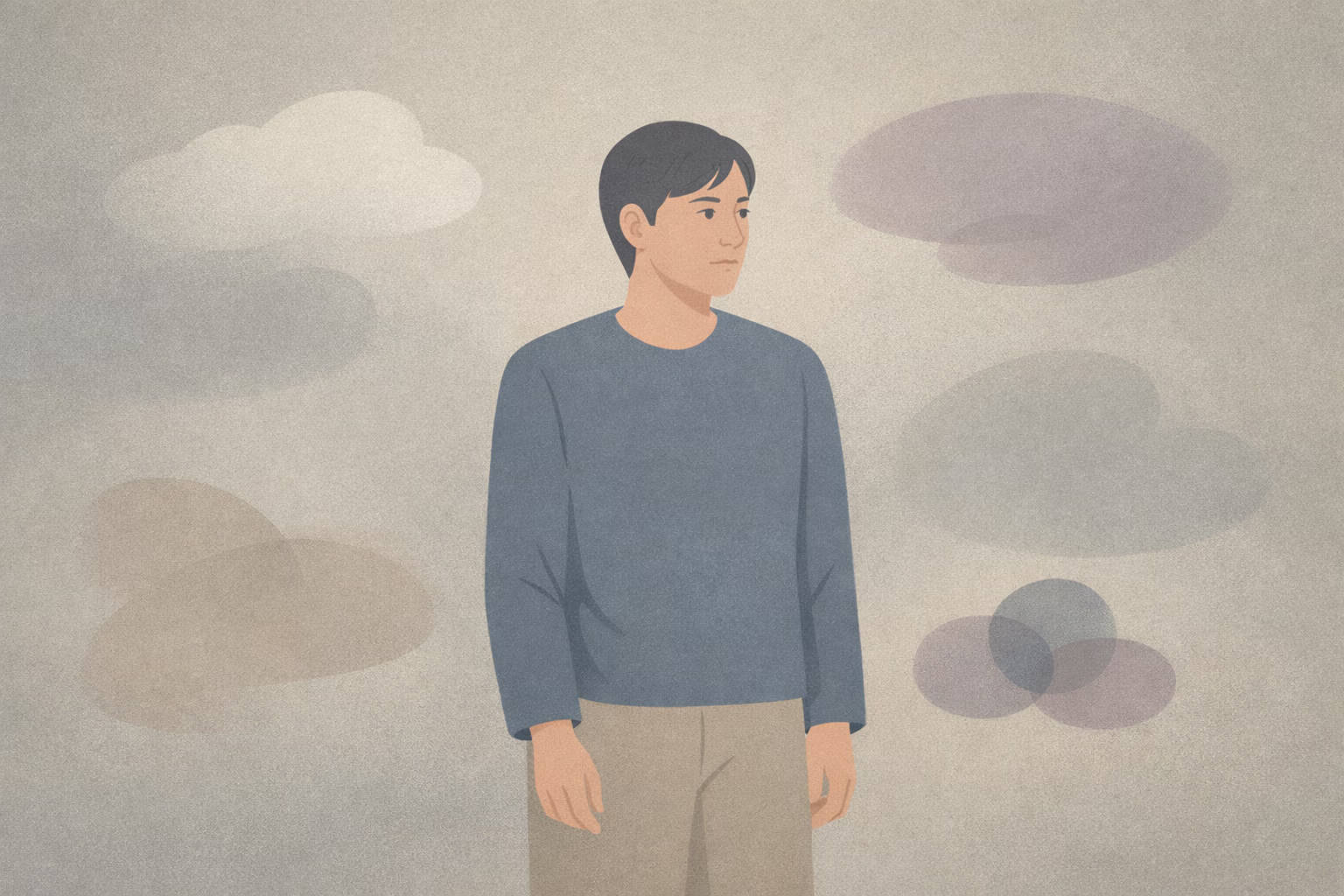
Trauma Responses in Daily Life
Learn how trauma responses show up in everyday moments without you noticing.
In context: Yes. Observing without responding is a regulated, low-energy state. In the Meaning Density Model™, your “Status & Control“ system is often the one demanding a reaction to prove you are “alive“ or “caring.“ However, if your “Reward“ system is idling, you simply won't feel the pull to react.
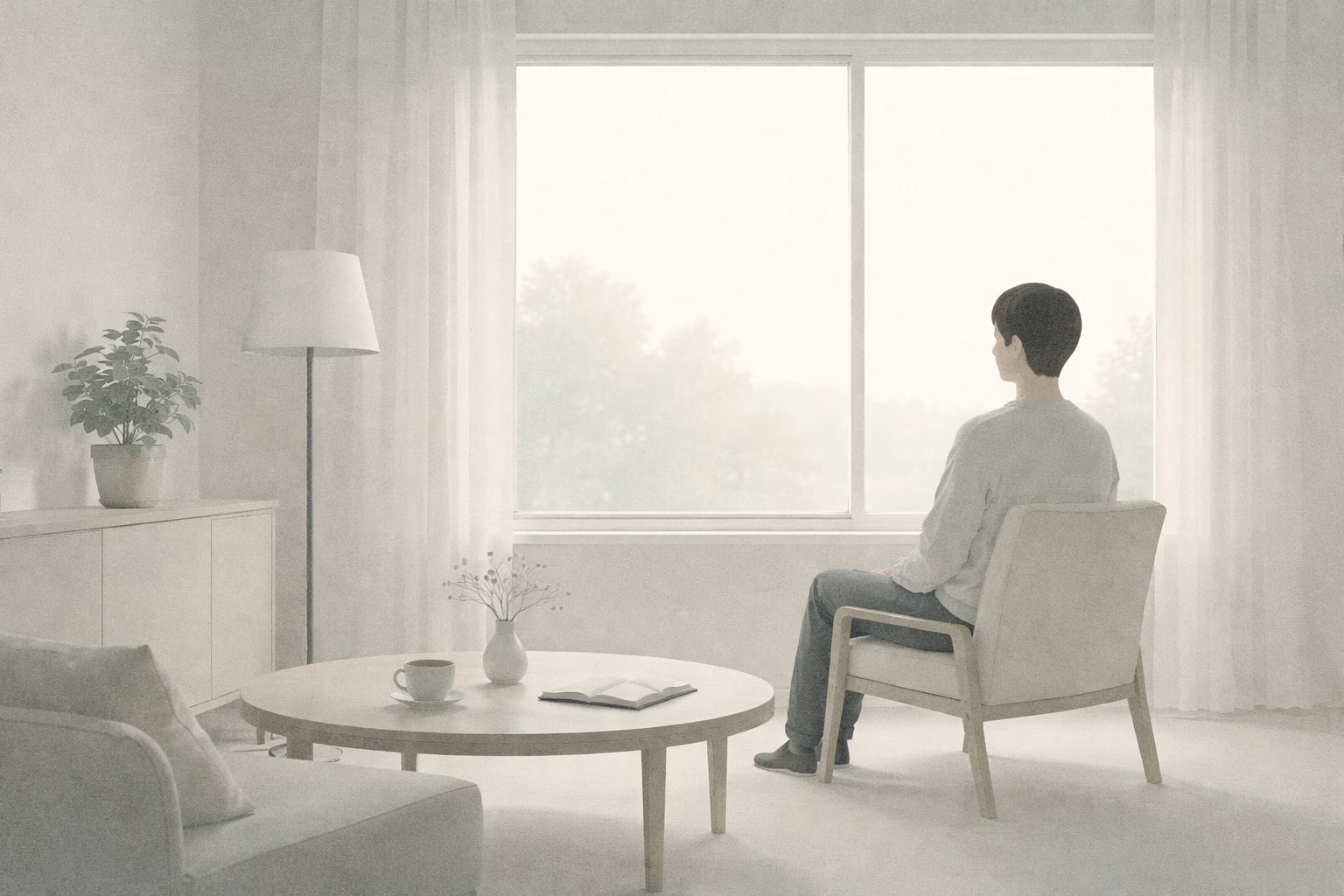
You notice what happens, but nothing moves inside you.
No reply forms.
No action follows.
This non-response is not neglect or failure.
It is restraint.
The system remains alert without expending energy.
Observing without responding can be a sign of safety returning slowly.
There is no obligation to react.
Awareness alone is enough for now.
Validate non-response and awareness with DojoWell.
Explore DojowellArticles exploring the psychology behind these patterns.
Learn how trauma responses show up in everyday moments without you noticing.
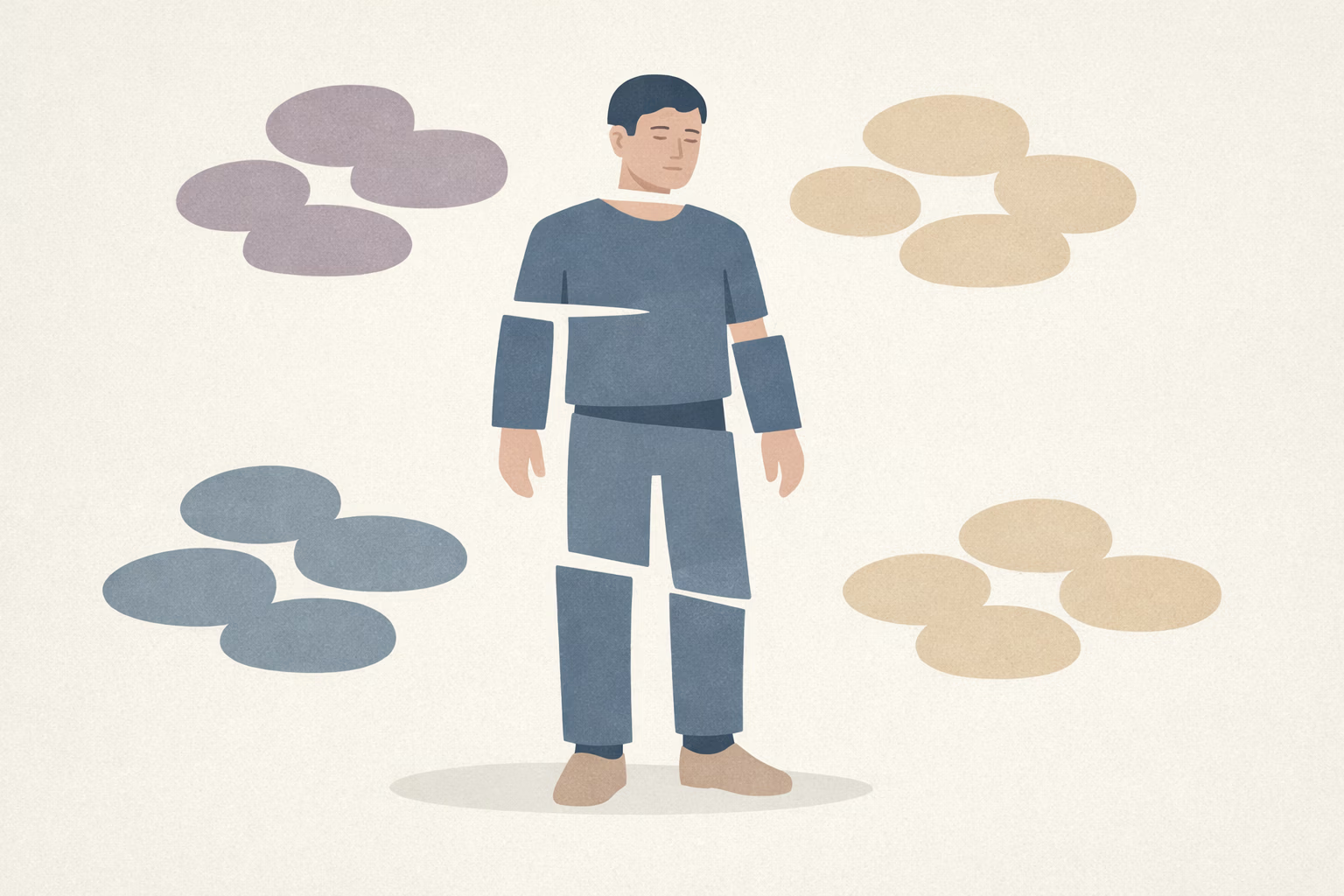
Understand emotional fragmentation and how to reintegrate.
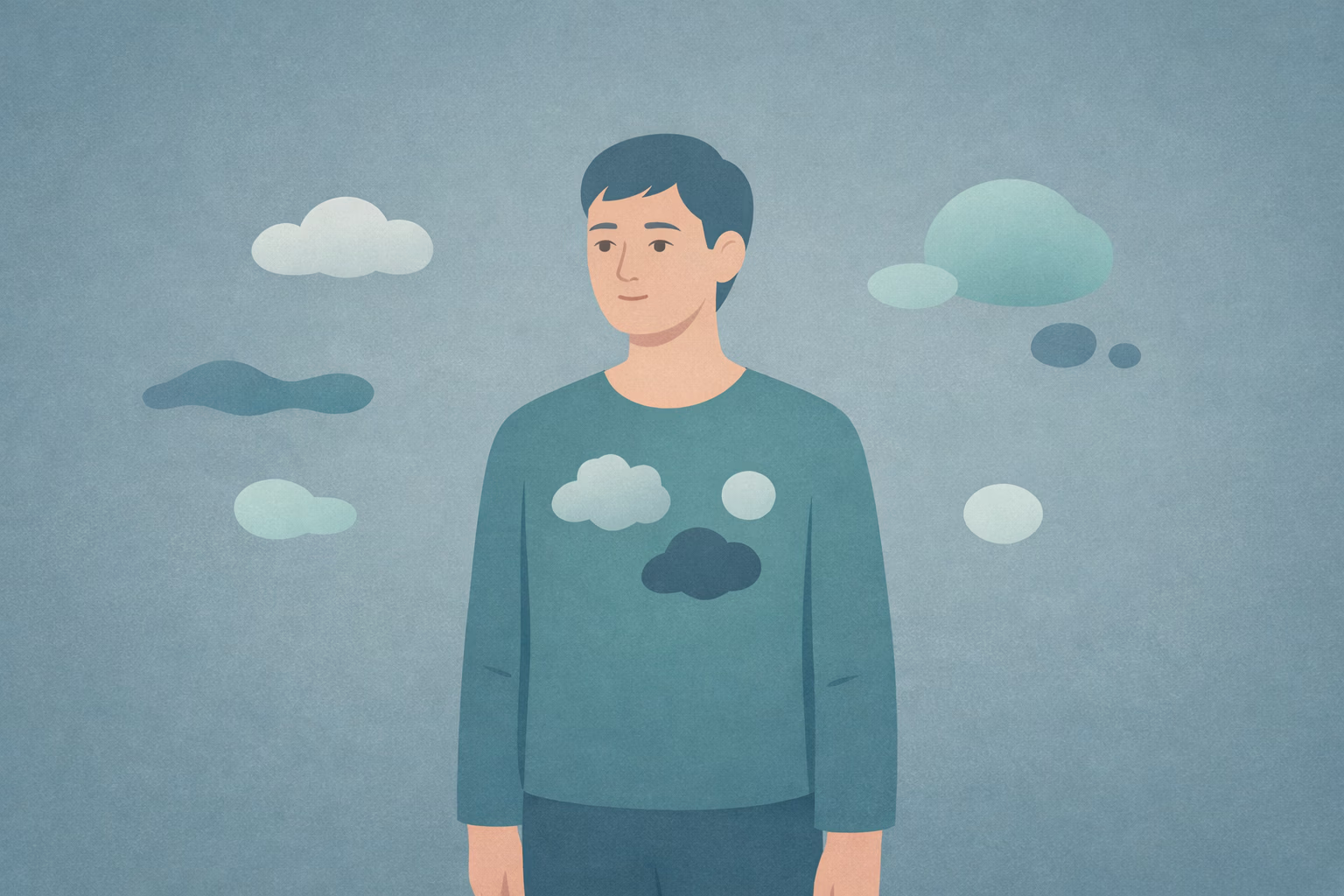
Learn how emotional awareness transforms your relationship with yourself.
Yes. Observing without responding is a regulated, low-energy state. In the Meaning Density Model™, your "Status & Control" system is often the one demanding a reaction to prove you are "alive" or "caring." However, if your "Reward" system is idling, you simply won't feel the pull to react. This non-response is a valid way to preserve energy. It allows you to collect information without the metabolic cost of an emotional spike, which is essential for long-term recovery.
No. "Caring" is a value held in your Narrative & Identity system, while "reacting" is a function of your physiological arousal. You can still value someone or something deeply even if your system isn't producing a visible "spark" right now. By separating your values from your immediate reactions, you protect your identity from the "shame loop." You are simply observing from a place of neutral regulation, which is often the most honest way to witness the world.
One Quiet Window, one insight, one reflection — every Sunday