

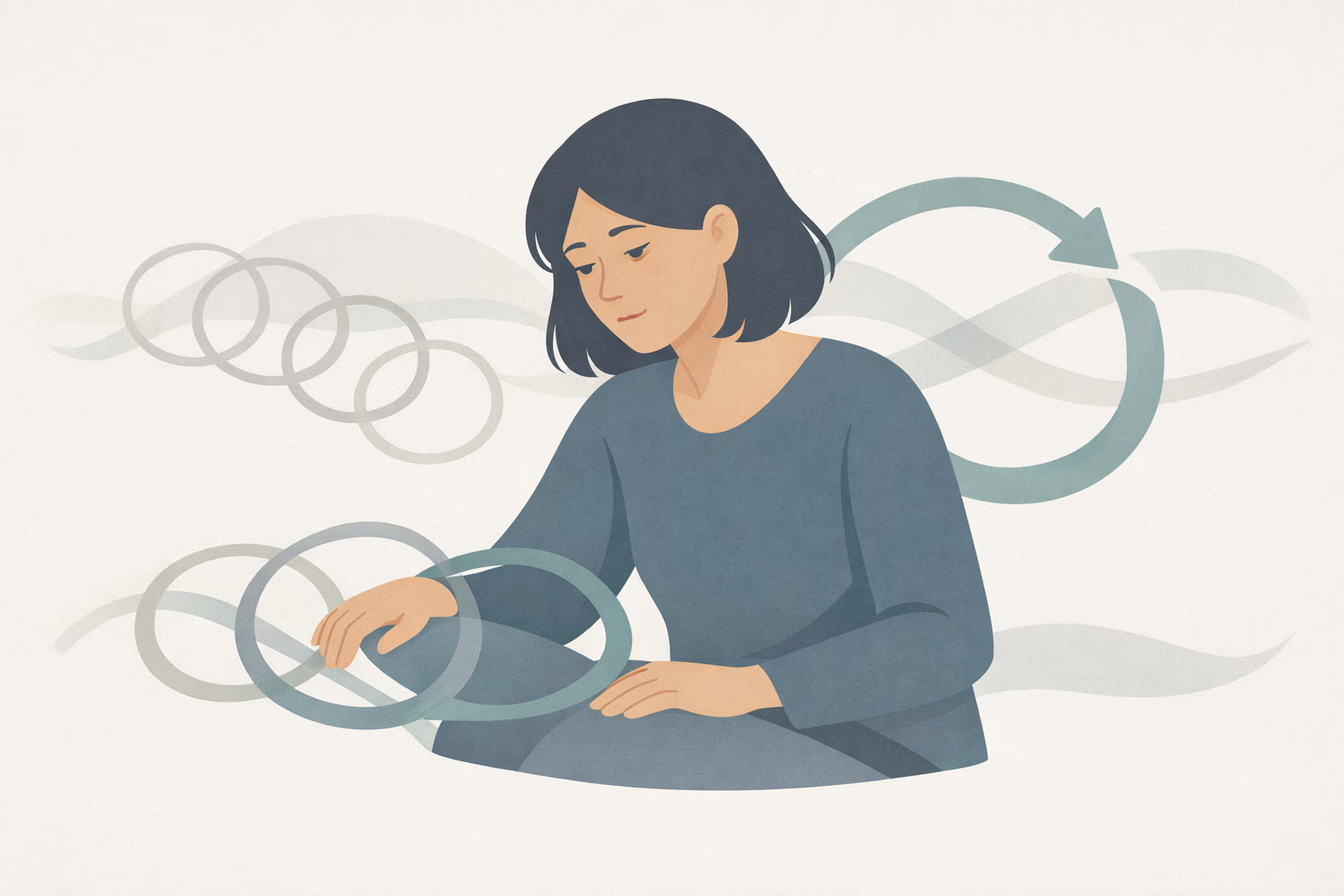
Habitual Thought Patterns & Emotional Loops
Learn how repetitive thoughts shape emotional loops and how to break them.
In context: This is “Identity Continuity.“ Even when your roles, energy, or beliefs drift, there is a core “Integrator“ that remains. Recognizing “Something That Still Feels Like You“ is a structural anchor. In the model, we look for the subtle, non-verbal sense of “I-ness“ that persists regardless of external changes. Acknowledging this continuity reduces the Threat of “losing oneself“ during recovery.
Something still feels like you, even when names, roles, and habits shift.
It is not dramatic or bright.
It simply remains.
You notice it in familiar reactions, in the way you stand, in what still matters quietly.
This feeling does not argue against change.
It sits beside it, steady.
Continuity does not announce itself; it waits to be noticed.
Reconnect with your sense of self using DojoWell.
Explore DojowellArticles exploring the psychology behind these patterns.
Learn how repetitive thoughts shape emotional loops and how to break them.
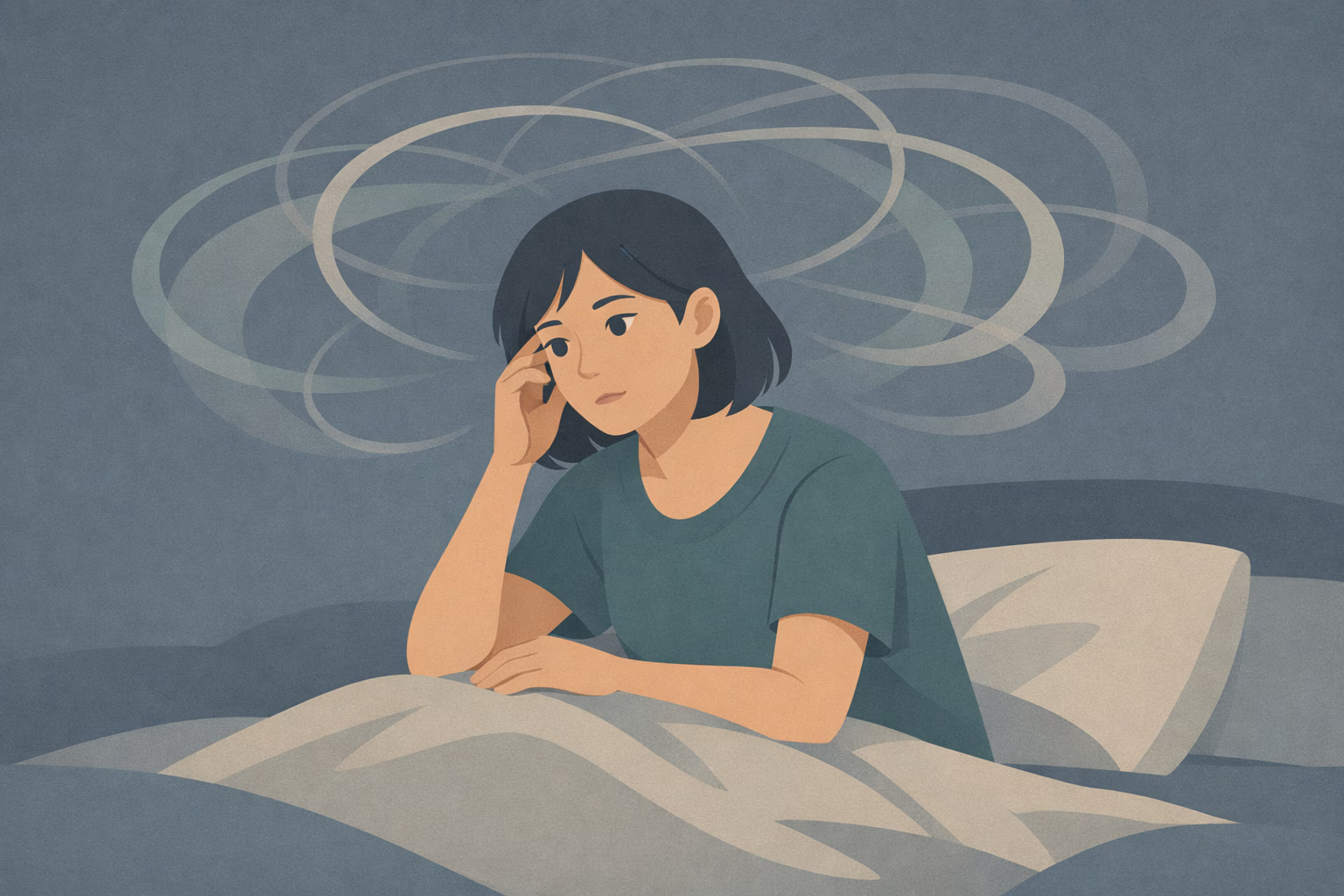
Discover why your mind races at night and how unresolved stress keeps your brain on high alert.
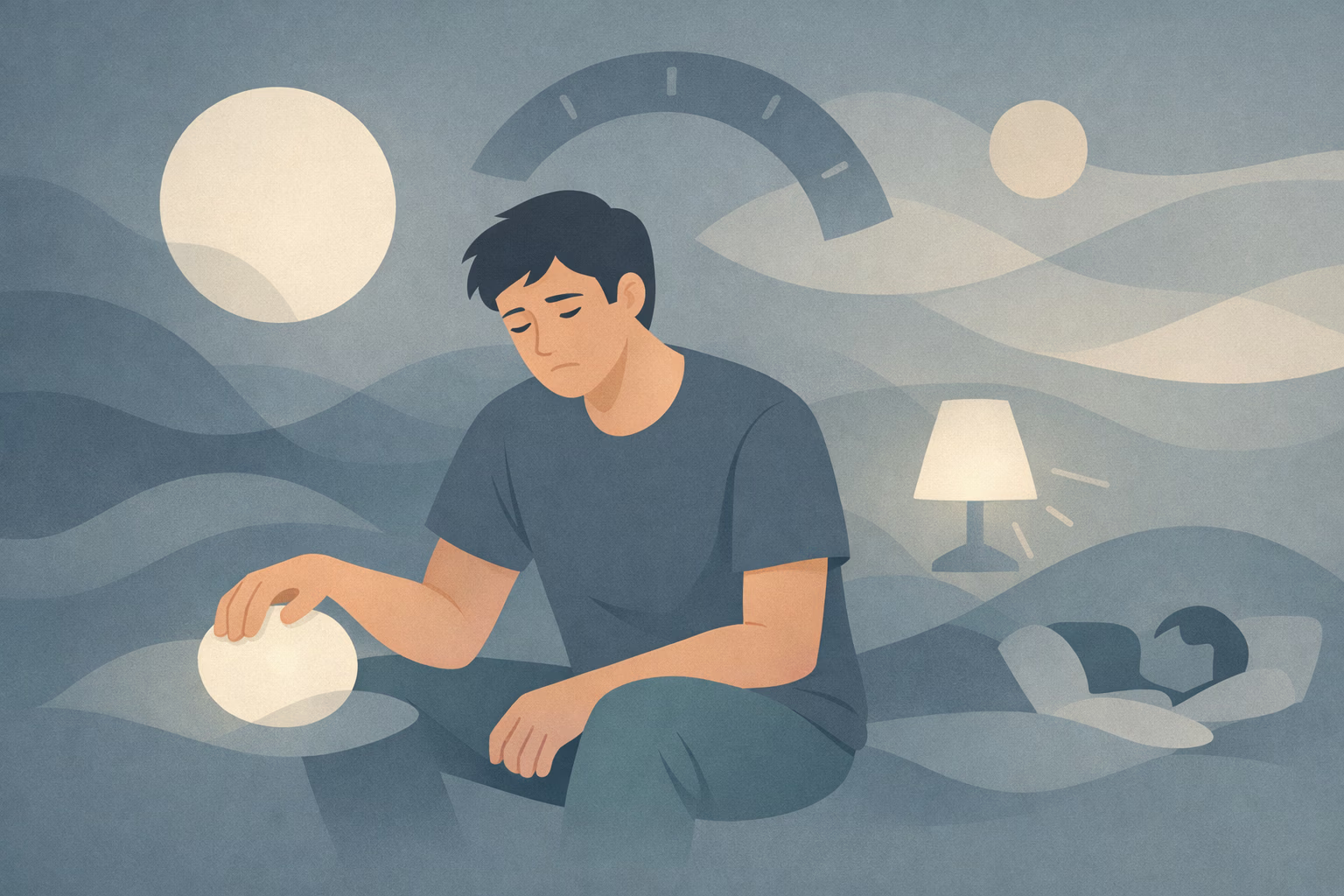
Learn how modern lighting disrupts your circadian rhythm.
This is "Identity Continuity." Even when your roles, energy, or beliefs drift, there is a core "Integrator" that remains. Recognizing "Something That Still Feels Like You" is a structural anchor. In the model, we look for the subtle, non-verbal sense of "I-ness" that persists regardless of external changes. Acknowledging this continuity reduces the Threat of "losing oneself" during recovery.
Yes. You aren't losing your identity; you are losing the performative version of yourself. As the Status & Control system settles, the "you" that remains may feel quieter or less driven, but it is actually more authentic. This isn't a loss; it’s a "coherence update." You are finally meeting the version of yourself that exists without the constant pressure to be someone else.
One Quiet Window, one insight, one reflection — every Sunday