

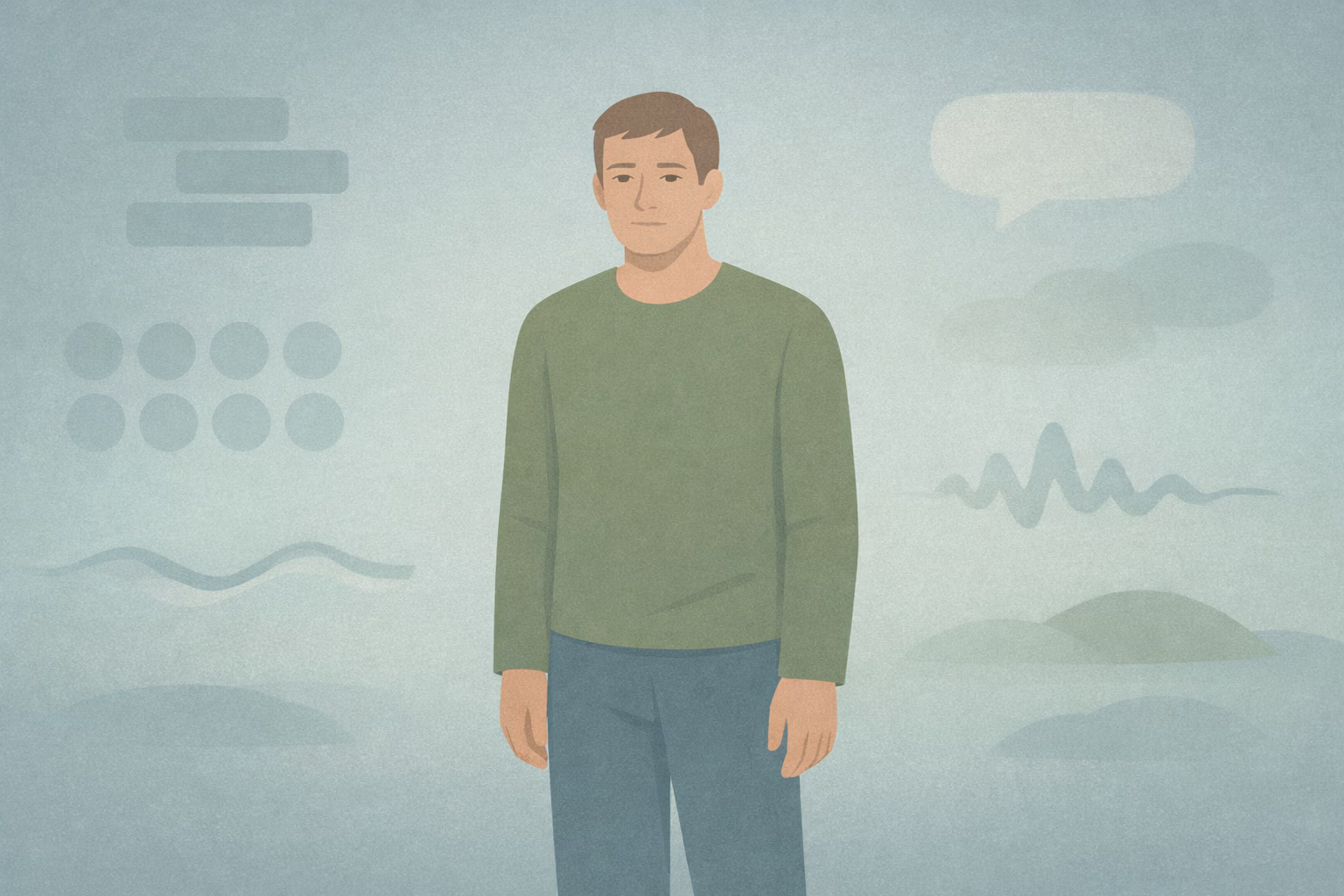
Why Silence Feels Unbearable
Learn why silence feels uncomfortable after constant stimulation and how to rebuild tolerance.
In context: Your nervous system has likely been “up-regulated“ by high-trigger environments, making stillness feel like a threat. Tolerance for quiet grows gradually, much like a physical muscle. You don't have to force yourself to feel “calm“—you simply have to practice “staying“ with the silence. In the model, this is called building “structural tolerance.
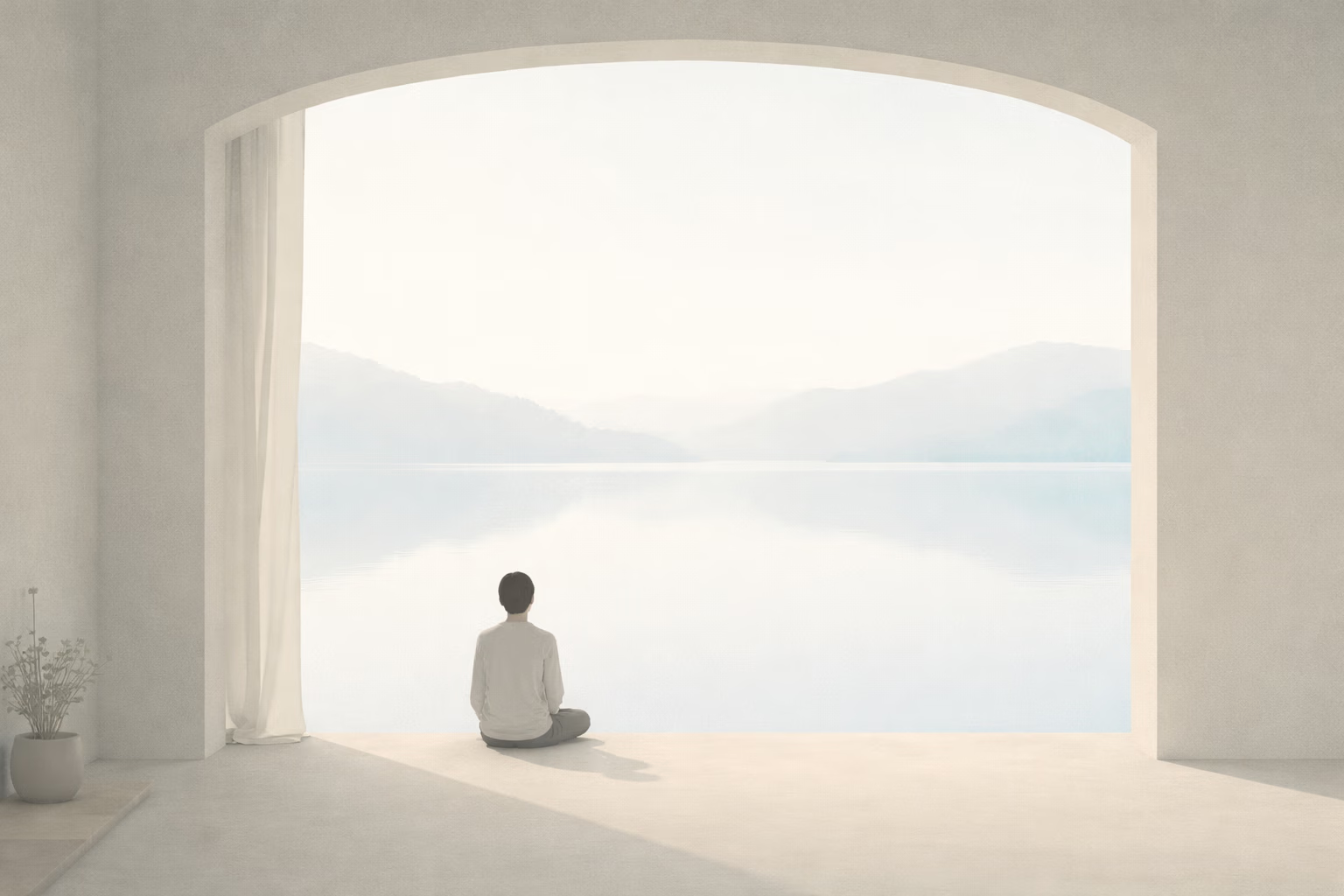
Stay with this quiet moment.
No need to deepen it or make it meaningful.
The lake does not ripple to prove peace.
Let your attention rest briefly without reaching for stimulation.
Capacity builds simply by staying.
Build stillness tolerance with DojoWell.
Explore DojowellArticles exploring the psychology behind these patterns.
Learn why silence feels uncomfortable after constant stimulation and how to rebuild tolerance.

Understand why rest isn’t enough and recovery practices matter more.
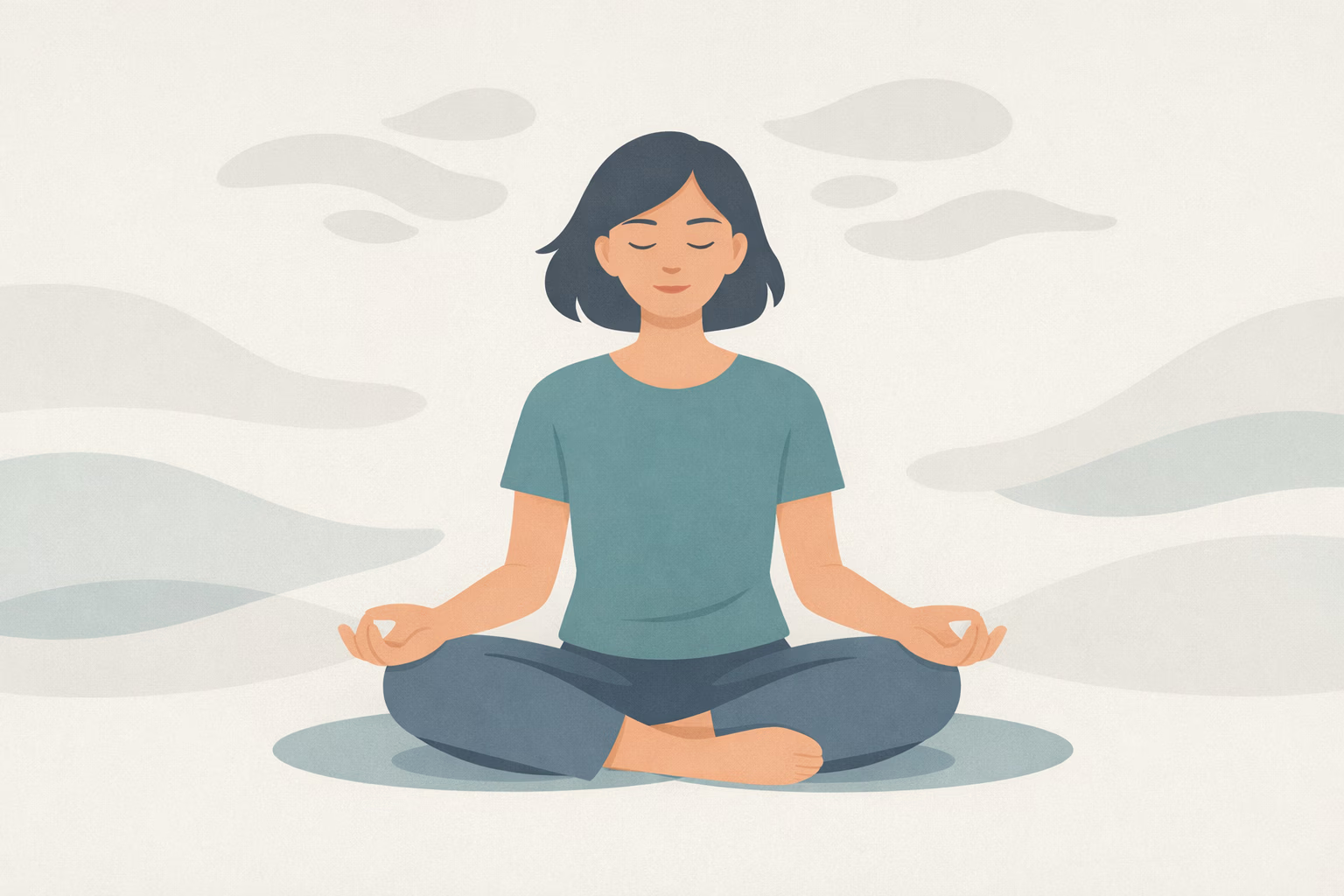
Explore how to find inner stillness despite mental noise.
Your nervous system has likely been "up-regulated" by high-trigger environments, making stillness feel like a threat. Tolerance for quiet grows gradually, much like a physical muscle. You don't have to force yourself to feel "calm"—you simply have to practice "staying" with the silence. In the model, this is called building "structural tolerance." Over time, the brain learns that the lack of noise is a state of potential rather than a state of danger.
No. Forcing calm is just another form of "doing" that activates the Status & Control system. Instead, aim for "neutral observation." Notice the quiet without trying to change it. If you feel restless, observe the restlessness as a structural signal. By not fighting the noise or the silence, you bypass the Threat loop. This "non-interference" allows your system to settle on its own terms, leading to a much deeper and more authentic state of regulation.
One Quiet Window, one insight, one reflection — every Sunday