

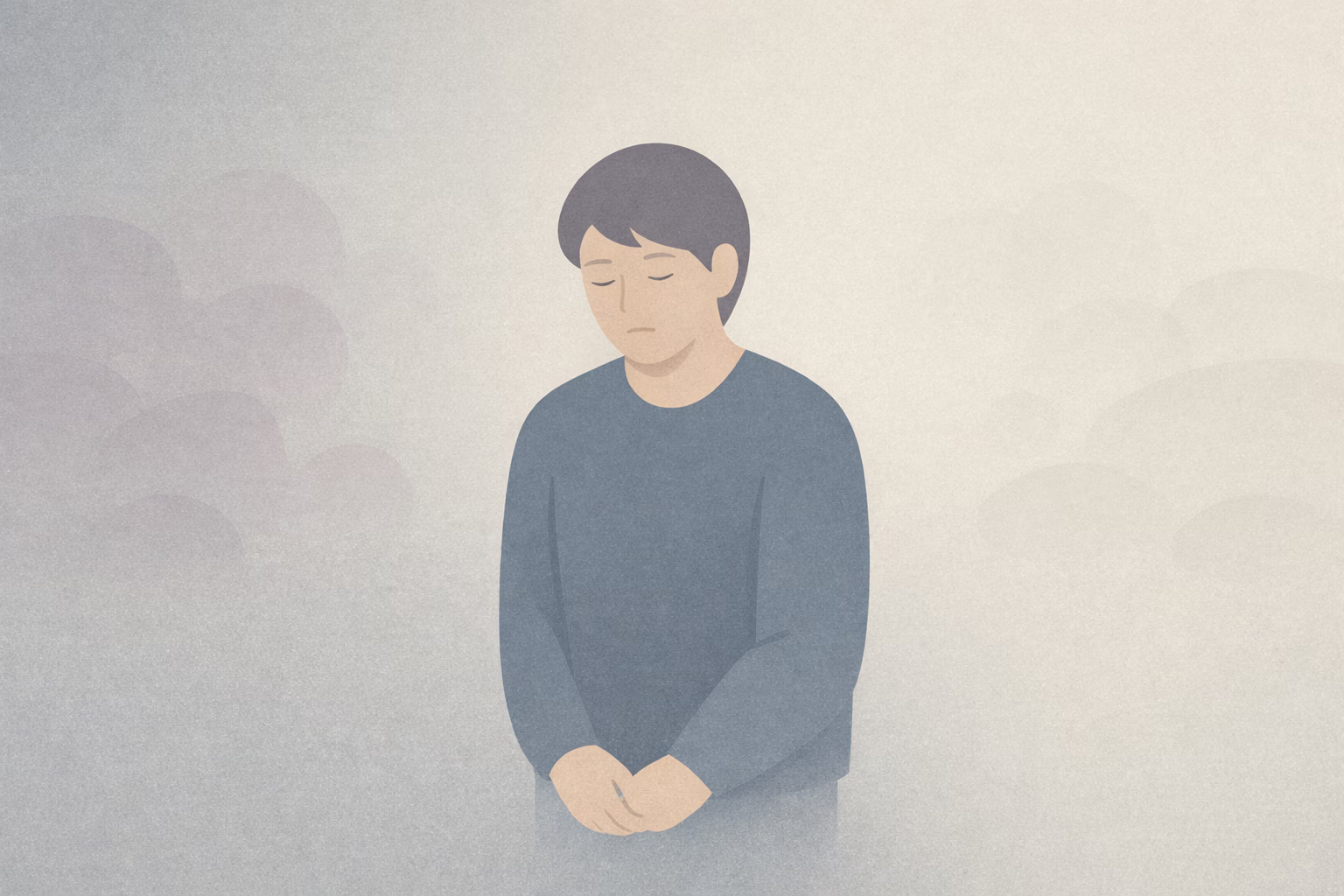
Psychological Withdrawal From Overstimulation
Learn why overstimulation withdrawal mimics depressive symptoms.
In context: Desensitization is an active process. Your body is intentionally lowering its sensitivity to environmental “noise“ to stay regulated. Think of it as a structural “volume knob.“ When the world is too high-velocity, your system turns itself down to prevent the Threat system from being in a constant state of alarm.
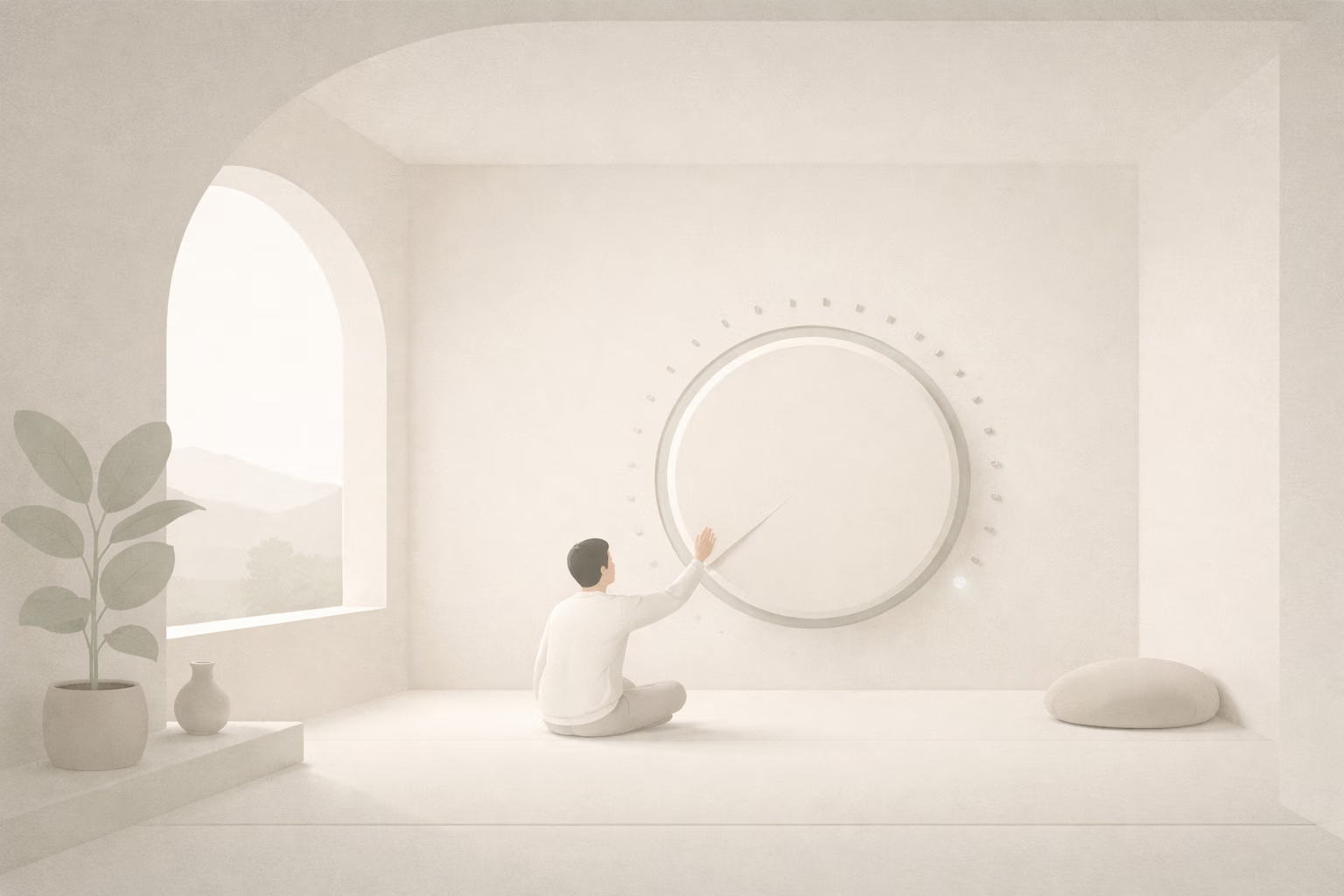
The body turns the volume down.
Not off—just lower.
This adjustment keeps sensation manageable.
Externalizing the process restores dignity.
The body is responding intelligently, not failing.
Externalize regulation with DojoWell.
Explore DojowellArticles exploring the psychology behind these patterns.
Learn why overstimulation withdrawal mimics depressive symptoms.
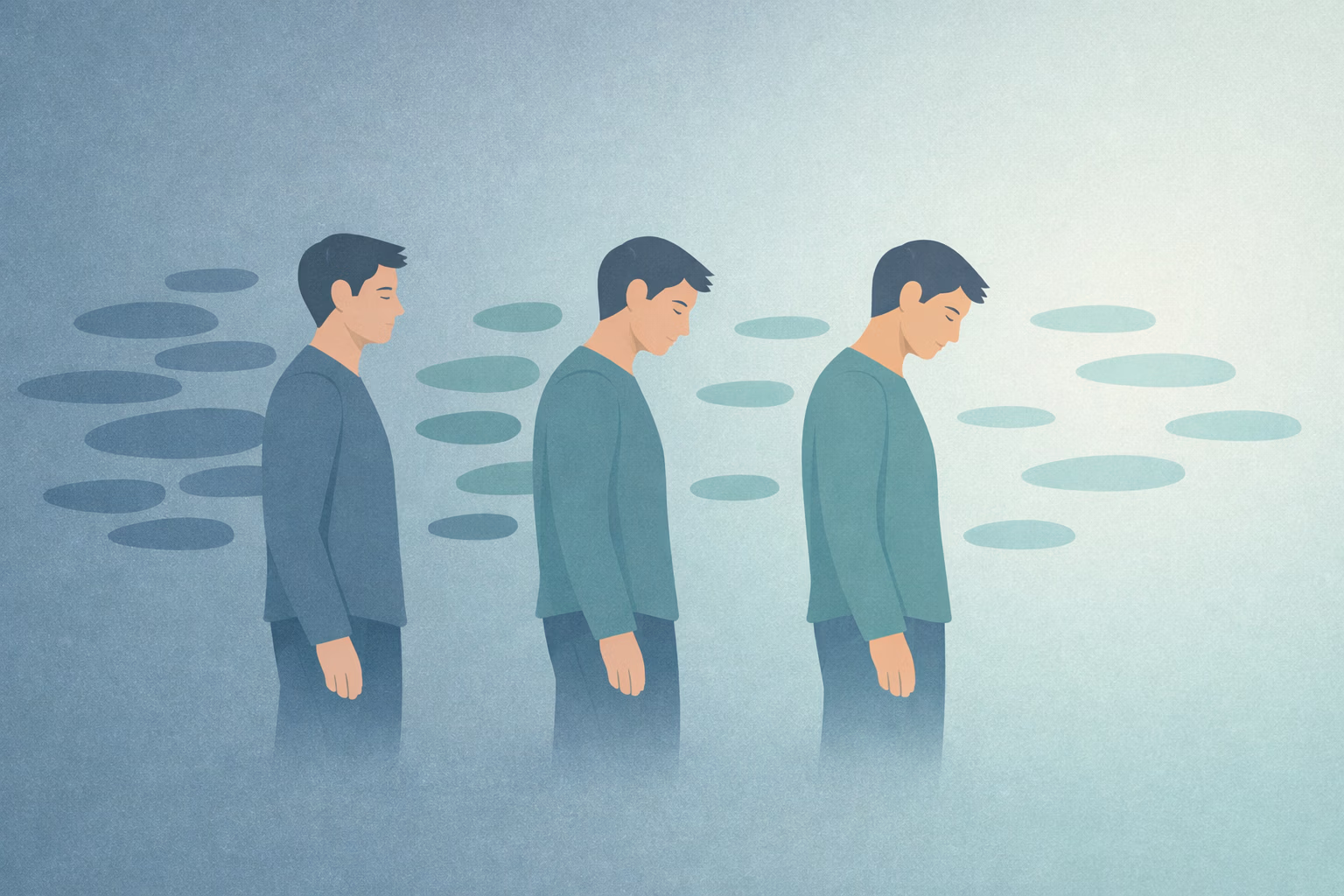
Learn how gradual stress downshifting restores emotional balance.
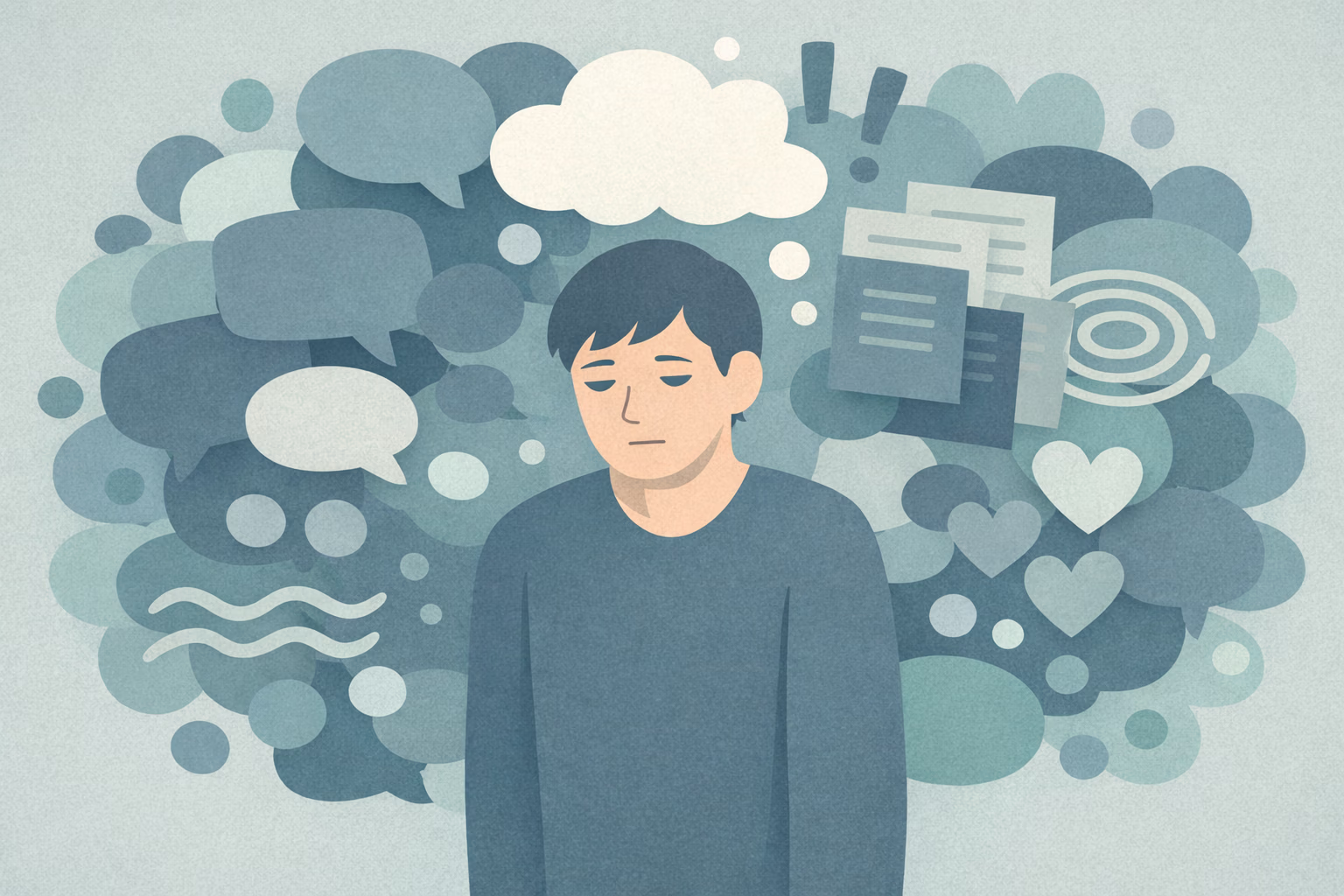
Learn overstimulation symptoms and how to calm your nervous system.
Desensitization is an active process. Your body is intentionally lowering its sensitivity to environmental "noise" to stay regulated. Think of it as a structural "volume knob." When the world is too high-velocity, your system turns itself down to prevent the Threat system from being in a constant state of alarm. This isn't a malfunction; it is a sophisticated survival strategy designed to maintain your internal equilibrium.
You can’t force the volume up, but you can create the conditions for it to return. The body only "turns the volume up" when it feels safe enough to be sensitive again. This requires a period of "low-volume" living—reducing triggers and closing open loops. As your Threat & Safety system registers a sustained period of peace, it will naturally release the dampening, allowing the vividness of life to return.
One Quiet Window, one insight, one reflection — every Sunday