

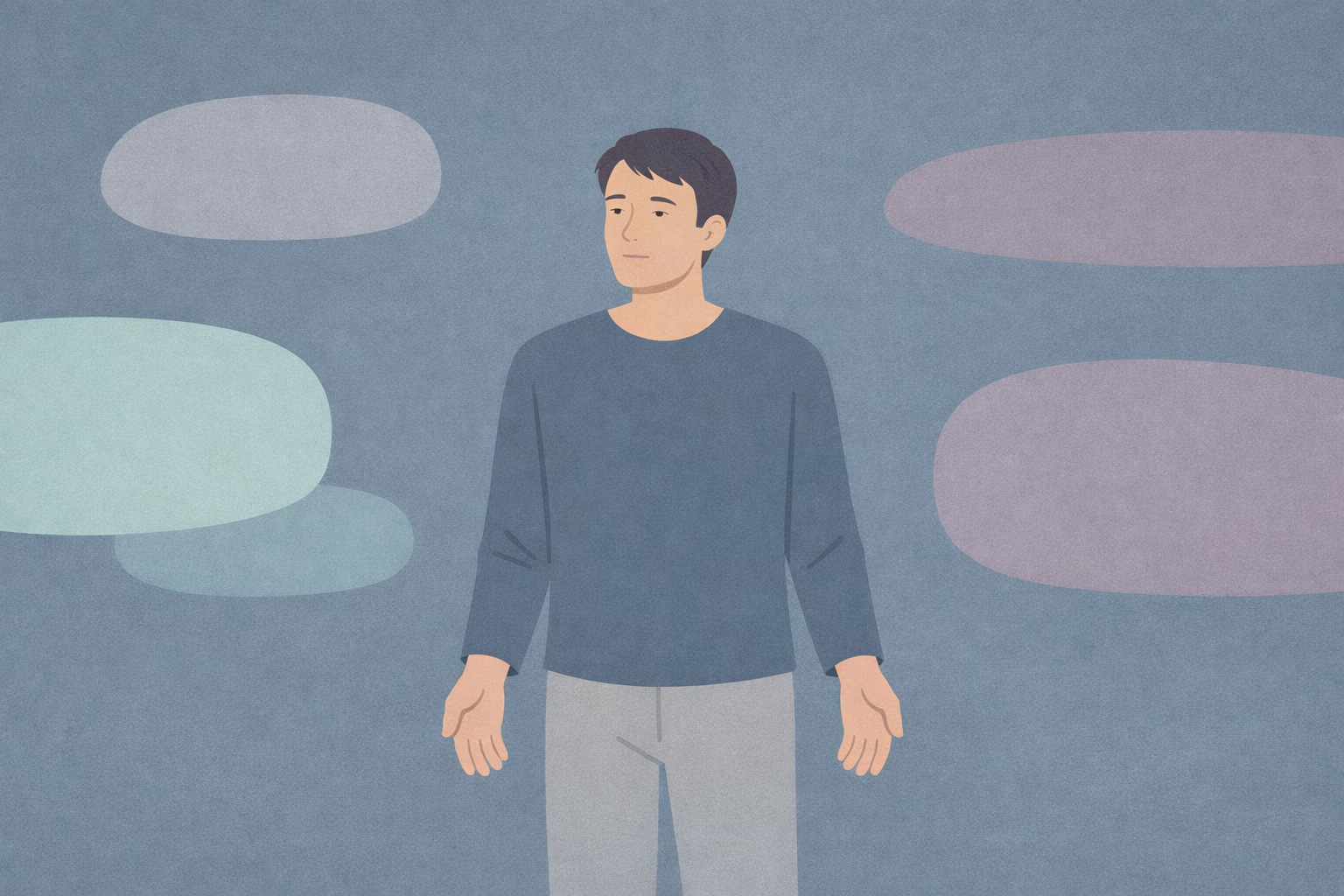
Connection Without Closeness
Learn why “connected” people feel emotionally starved.
In context: Yes. In this framework, distance is reframed as “relational space.“ It is the gap that allows two distinct identities to remain coherent without merging or overwhelming each other. Distance doesn't mean absence; it means the loop is currently wide. By valuing this distance, you prevent the “enmeshment loops“ that often lead to burnout.

Distance does not automatically mean absence.
You can see and be seen across space without crossing it.
The gap does not cancel connection; it shapes it.
This distance can remain intact and meaningful.
Reframe relational distance with DojoWell.
Explore DojowellArticles exploring the psychology behind these patterns.
Learn why “connected” people feel emotionally starved.
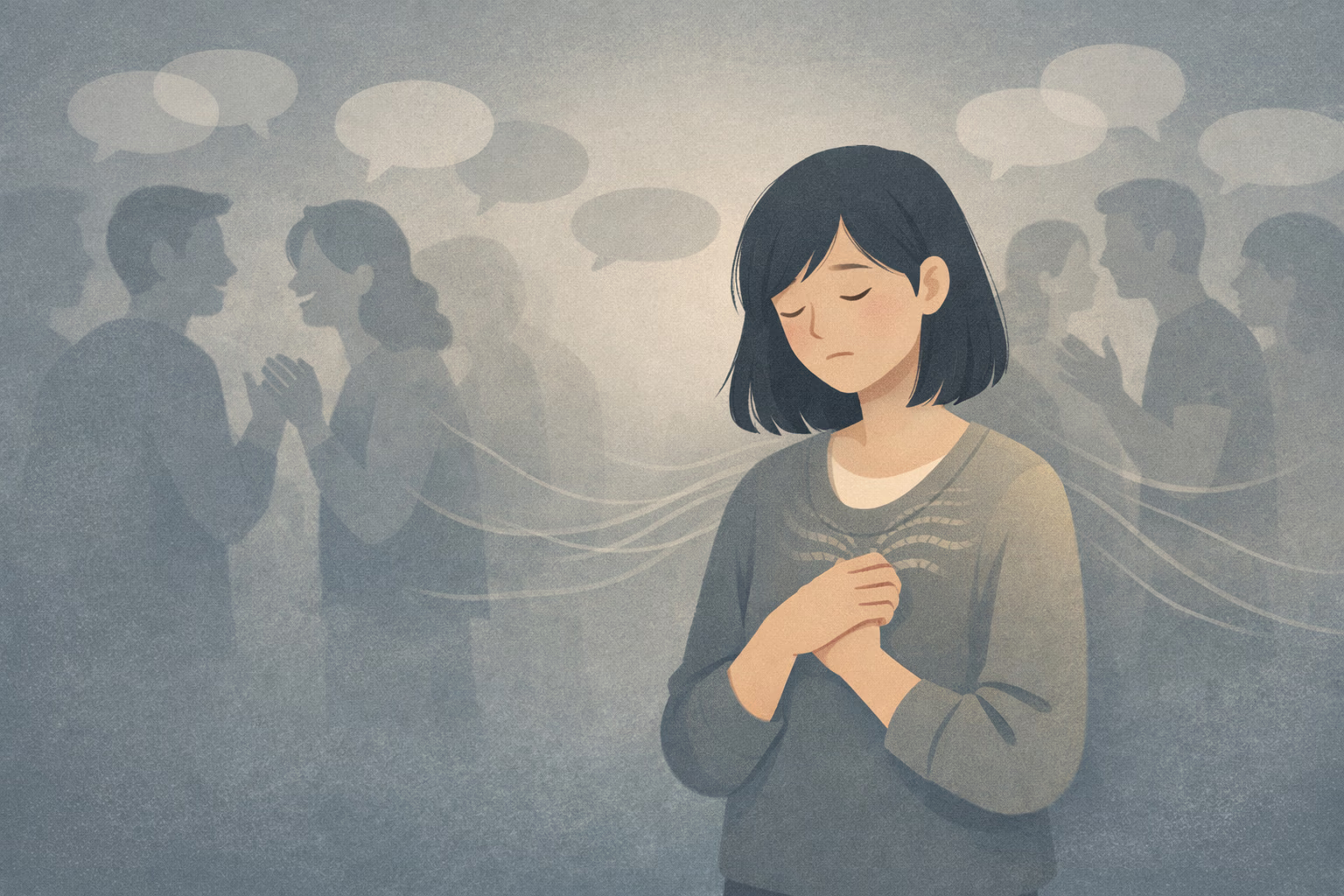
Understand why certain relationships drain you and how to protect your emotional energy.
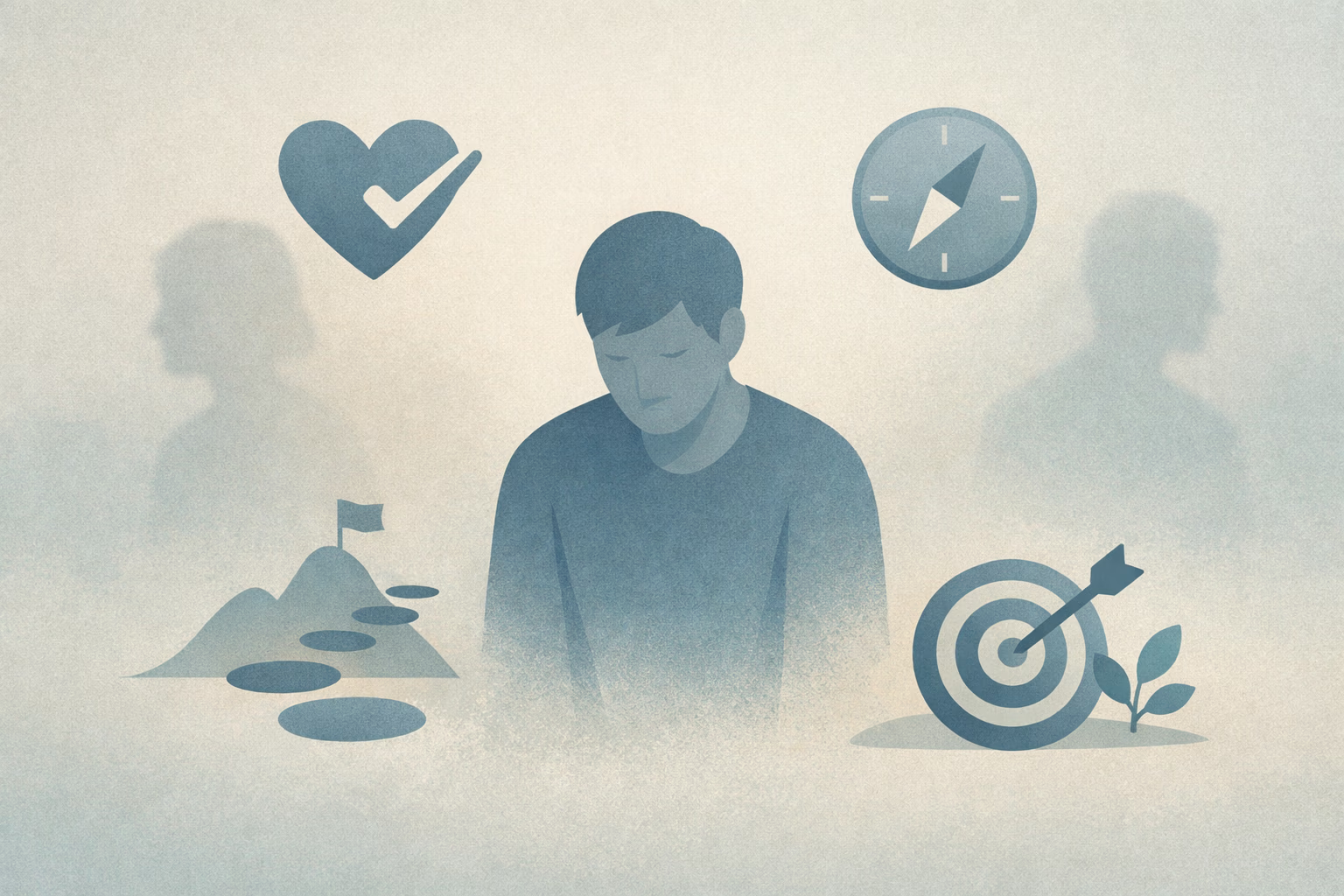
Explore what emotional safety truly means and how to cultivate it.
Yes. In this framework, distance is reframed as "relational space." It is the gap that allows two distinct identities to remain coherent without merging or overwhelming each other. Distance doesn't mean absence; it means the loop is currently wide. By valuing this distance, you prevent the "enmeshment loops" that often lead to burnout. It allows the Narrative & Identity system to remain stable while still acknowledging the structural bond between individuals.
Rejection is a story created by the Threat system; distance is a physical state. By viewing distance as a "valid orientation," you stop the narrative of loss. In the Meaning Density Model™, distance provides the necessary "integration room" for experiences to land. Recognizing that distance is a functional part of a regulated system allows you to feel connected through shared safety rather than constant, high-frequency interaction or emotional urgency.
One Quiet Window, one insight, one reflection — every Sunday