

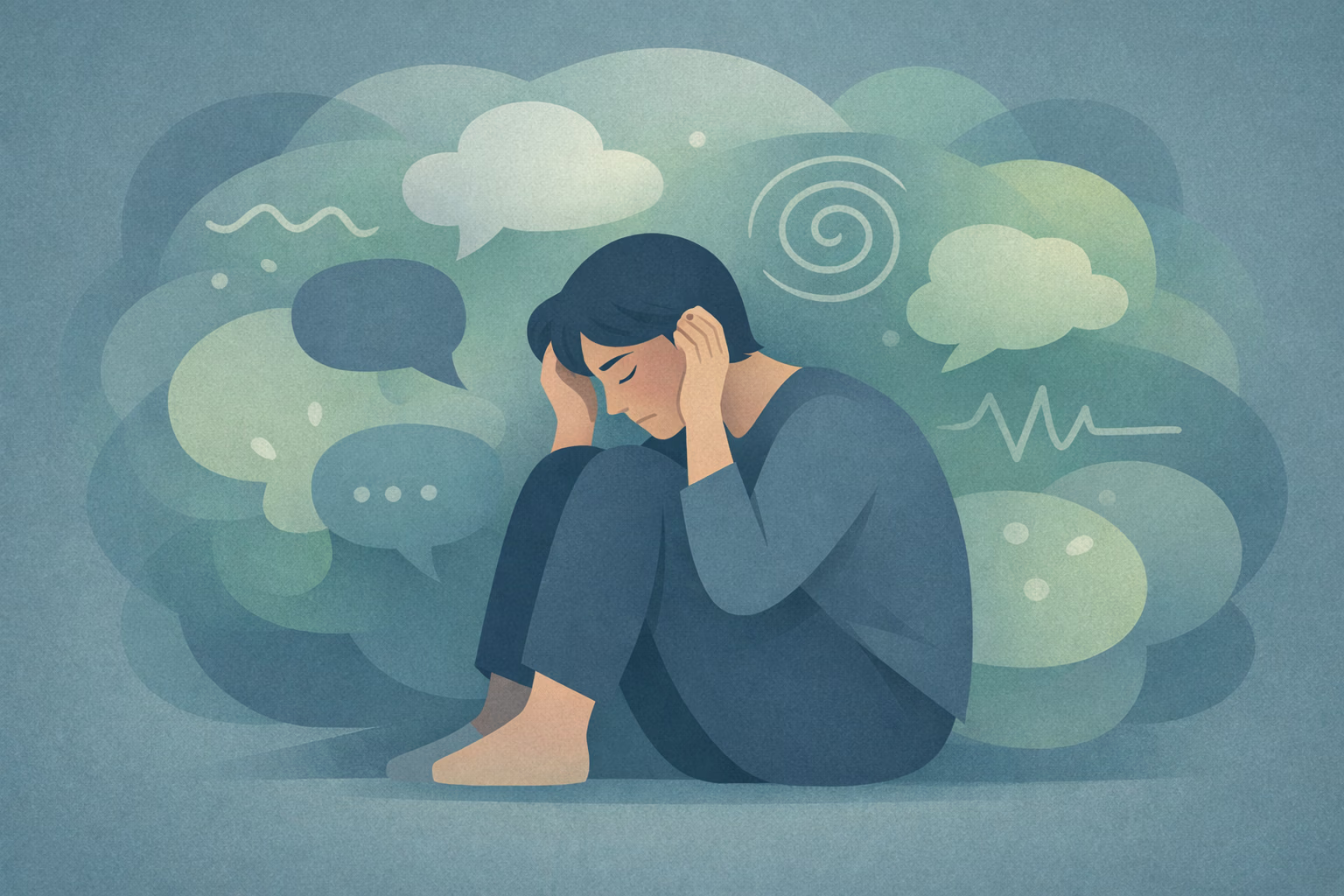
Emotional Numbness & Disconnection
Discover why emotional numbness happens and how your nervous system protects you by shutting down under chronic stress.
In context: You are experiencing “The Feeling of Being Almost Safe.“ In the Meaning Density Model™, near-safety is actually more taxing than a clear crisis because it is “Ambiguous.“ Your Threat & Safety system is in a “Half-Brace“ state—waiting for a sign to either relax or run. By naming this as “Almost Safe,“ you validate the instability.

It feels almost safe.
Not fully settled, not actively threatened.
The door is open just enough to notice what might come next.
This near-safety keeps the system alert while longing to rest.
Naming it matters.
You are not failing to feel safe— you are hovering at the edge of it.
Recognizing this threshold allows patience.
Safety does not need to be crossed all at once to be real.
Recognize near-safety gently with DojoWell.
Explore DojowellArticles exploring the psychology behind these patterns.
Discover why emotional numbness happens and how your nervous system protects you by shutting down under chronic stress.
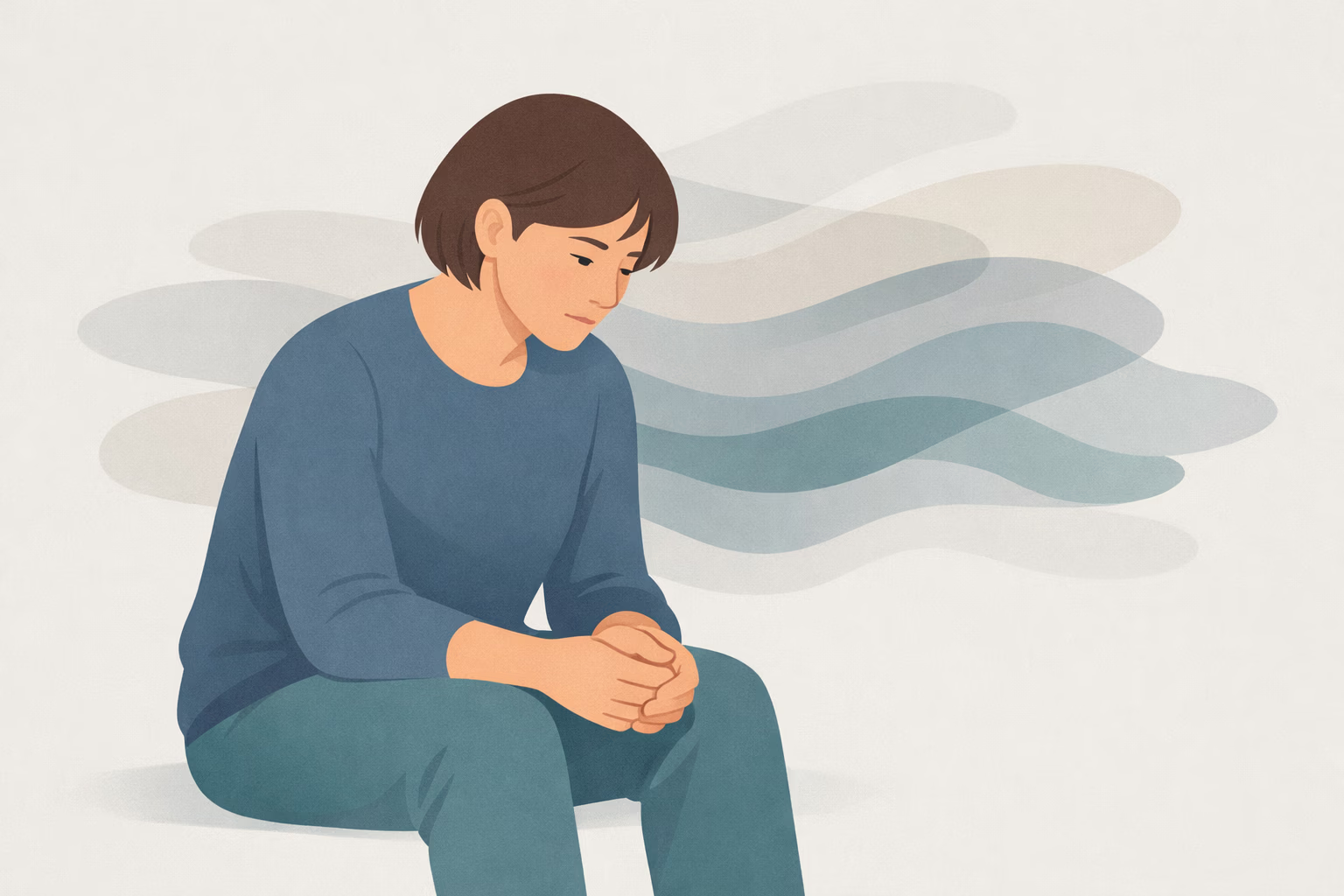
Learn why past stress resurfaces unexpectedly.
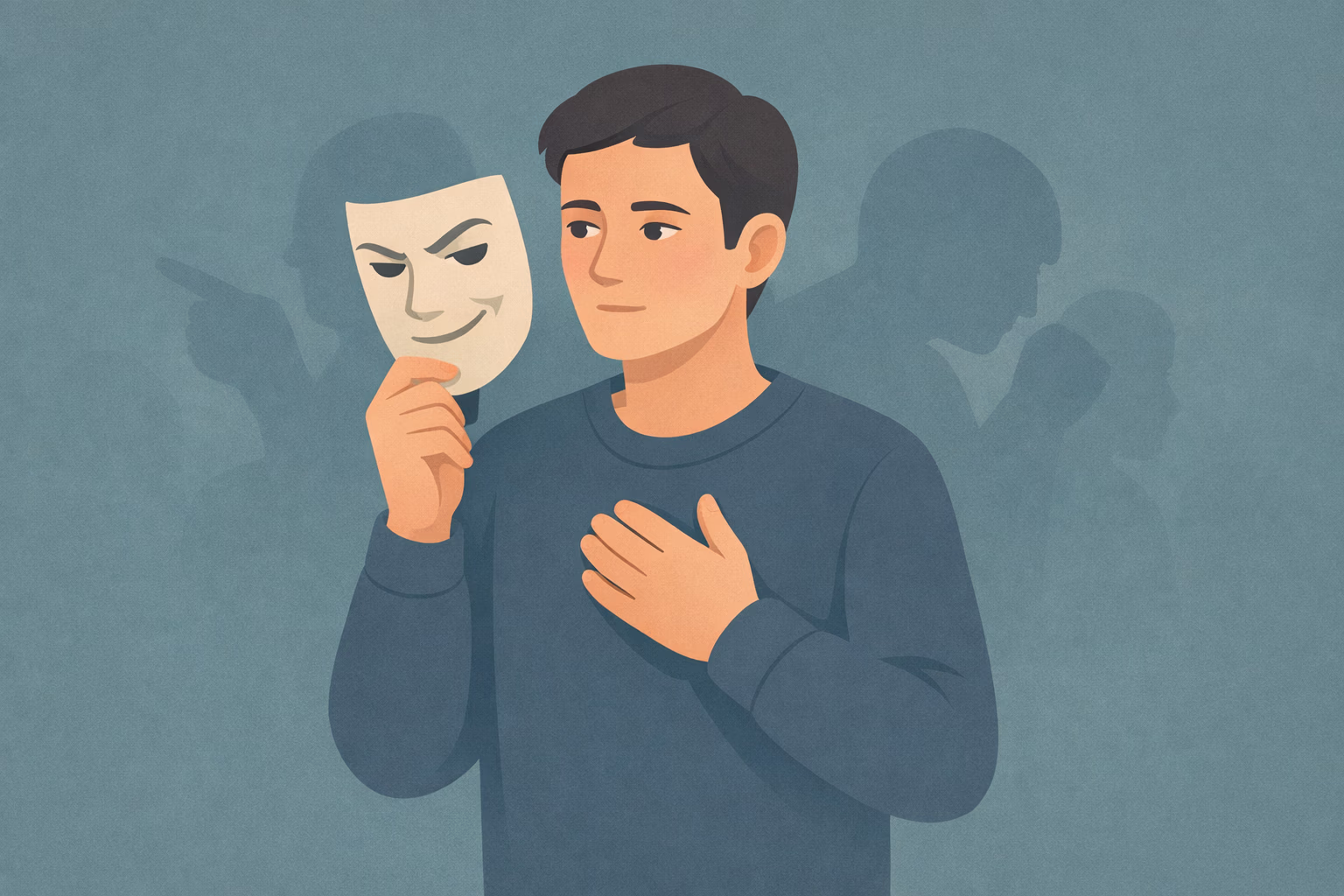
Understand why self-righteousness often hides insecurity and emotional fear.
You are experiencing "The Feeling of Being Almost Safe." In the Meaning Density Model™, near-safety is actually more taxing than a clear crisis because it is "Ambiguous." Your Threat & Safety system is in a "Half-Brace" state—waiting for a sign to either relax or run. By naming this as "Almost Safe," you validate the instability. You aren't "doing it wrong"; you are simply in a transitional architecture where certainty hasn't landed yet.
Stop forcing "Certainty." Forcing a feeling of safety is just another Status & Control demand. DojoWell suggests acknowledging the "Almost" as a valid technical state. "I am mostly safe right now." This partial recognition provides enough "Structural Integrity" to prevent a spiral. By accepting the 90% safety, you allow the remaining 10% of tension to exist without it triggering a total system alarm.
One Quiet Window, one insight, one reflection — every Sunday