

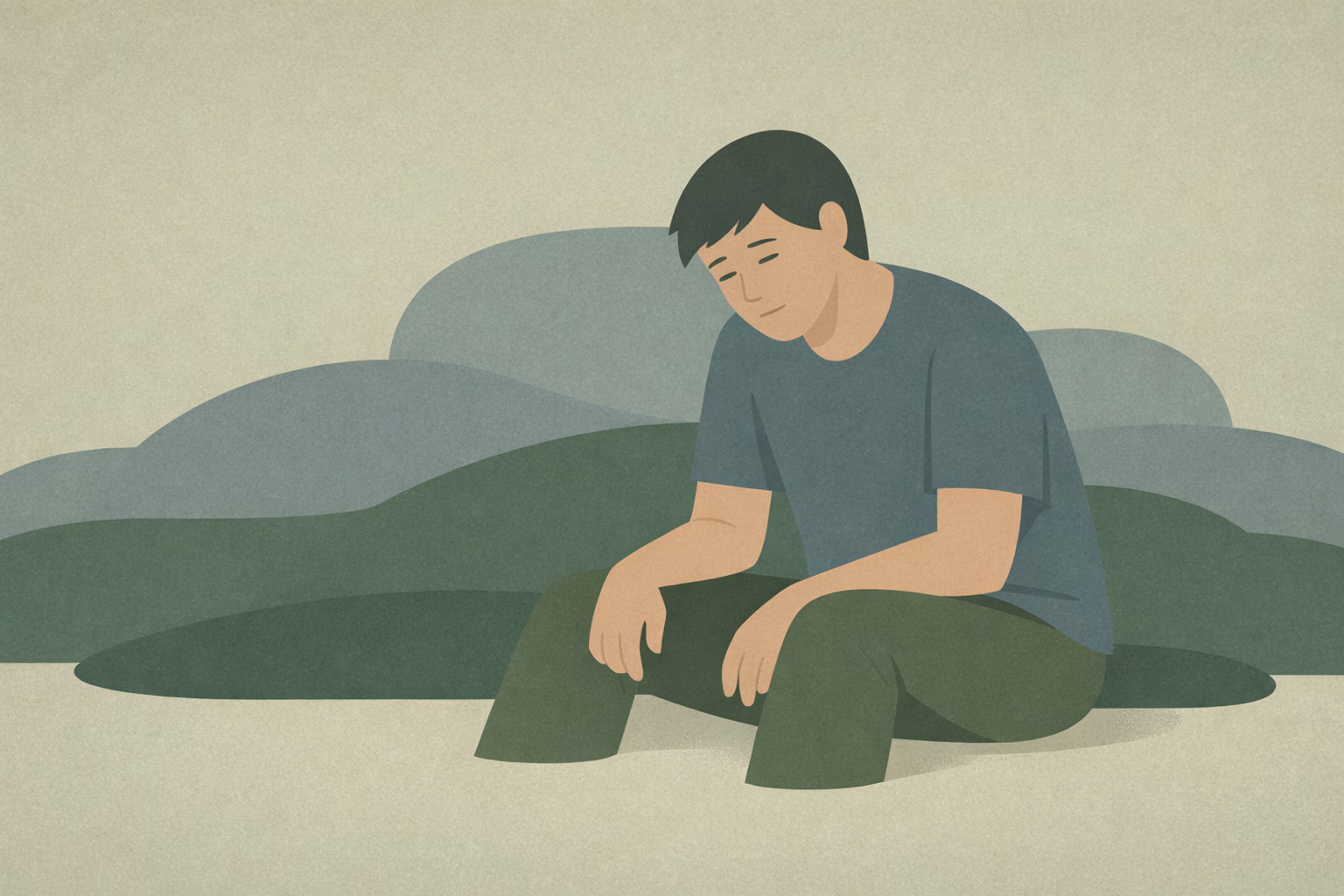
Low Motivation & Emotional Shutdown
Understand why low motivation often signals nervous system exhaustion—not laziness.
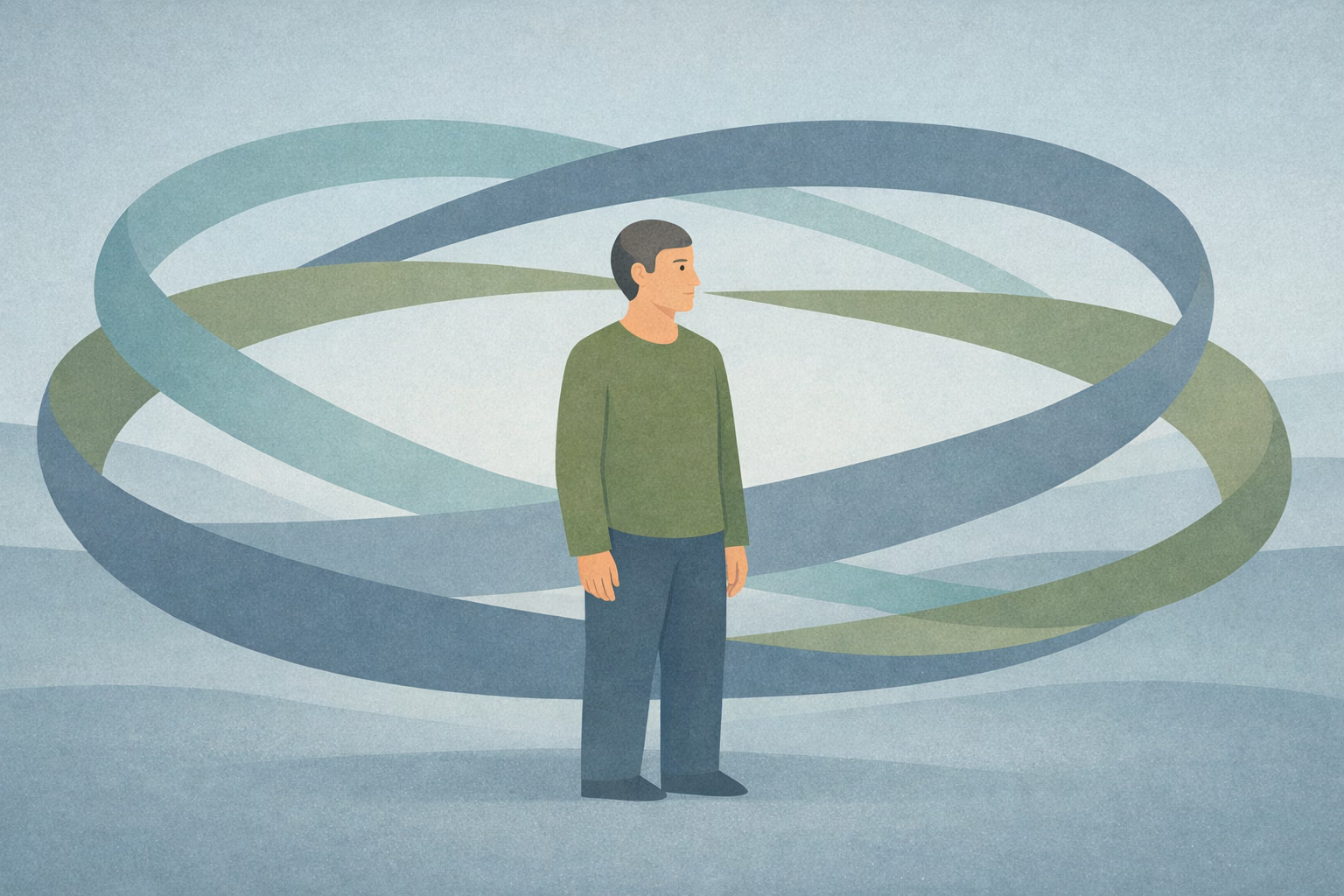
In context: You are stuck in a “Vigilance Loop.“ Monitoring has become a “Structural Habit.“ In the Meaning Density Model™, your Status & Reward systems have linked “checking“ with “safety.“ Even if you find bad news, the act of “knowing“ feels safer than the “gap“ of not knowing.
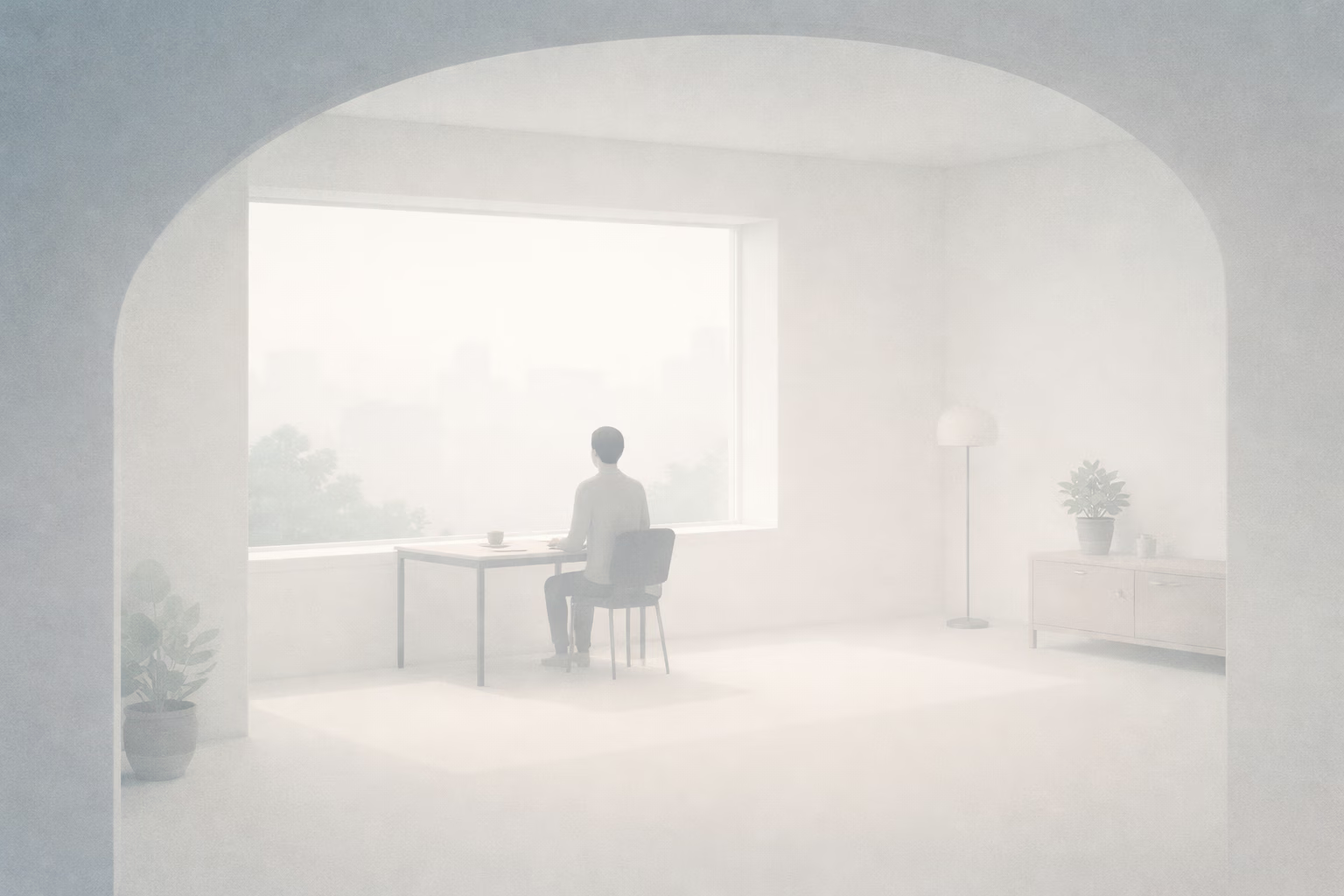
Monitoring becomes a habit.
Attention checks, scans, reassesses.
Even when nothing changes.
This loop sustains threat without new input.
Recognizing the habit breaks its invisibility.
You are not cautious by nature— you are practiced.
Naming the loop allows attention to loosen without abandoning awareness.
Recognize monitoring loops with DojoWell.
Explore DojowellArticles exploring the psychology behind these patterns.
Understand why low motivation often signals nervous system exhaustion—not laziness.
Understand how news overconsumption raises stress.

Understand why self-righteousness often hides insecurity and emotional fear.
You are stuck in a "Vigilance Loop." Monitoring has become a "Structural Habit." In the Meaning Density Model™, your Status & Reward systems have linked "checking" with "safety." Even if you find bad news, the act of "knowing" feels safer than the "gap" of not knowing. The loop sustains itself because every check provides a tiny "hit" of control, even if the overall effect is to increase your total load.
Replace "External Monitoring" with "Internal Checking." Instead of checking the world, check your own "Internal Space." Ask: "How much room do I have inside right now?" This shifts the Integrator's focus from "Triggers" back to "Capacity." DojoWell teaches that we monitor the world because we don't trust our own internal boundaries. By strengthening your "Internal Awareness," the need for constant "External Scanning" naturally decreases.
One Quiet Window, one insight, one reflection — every Sunday