Emotional Density & Heavy Inner Days
Learn why emotions feel heavier on certain days.
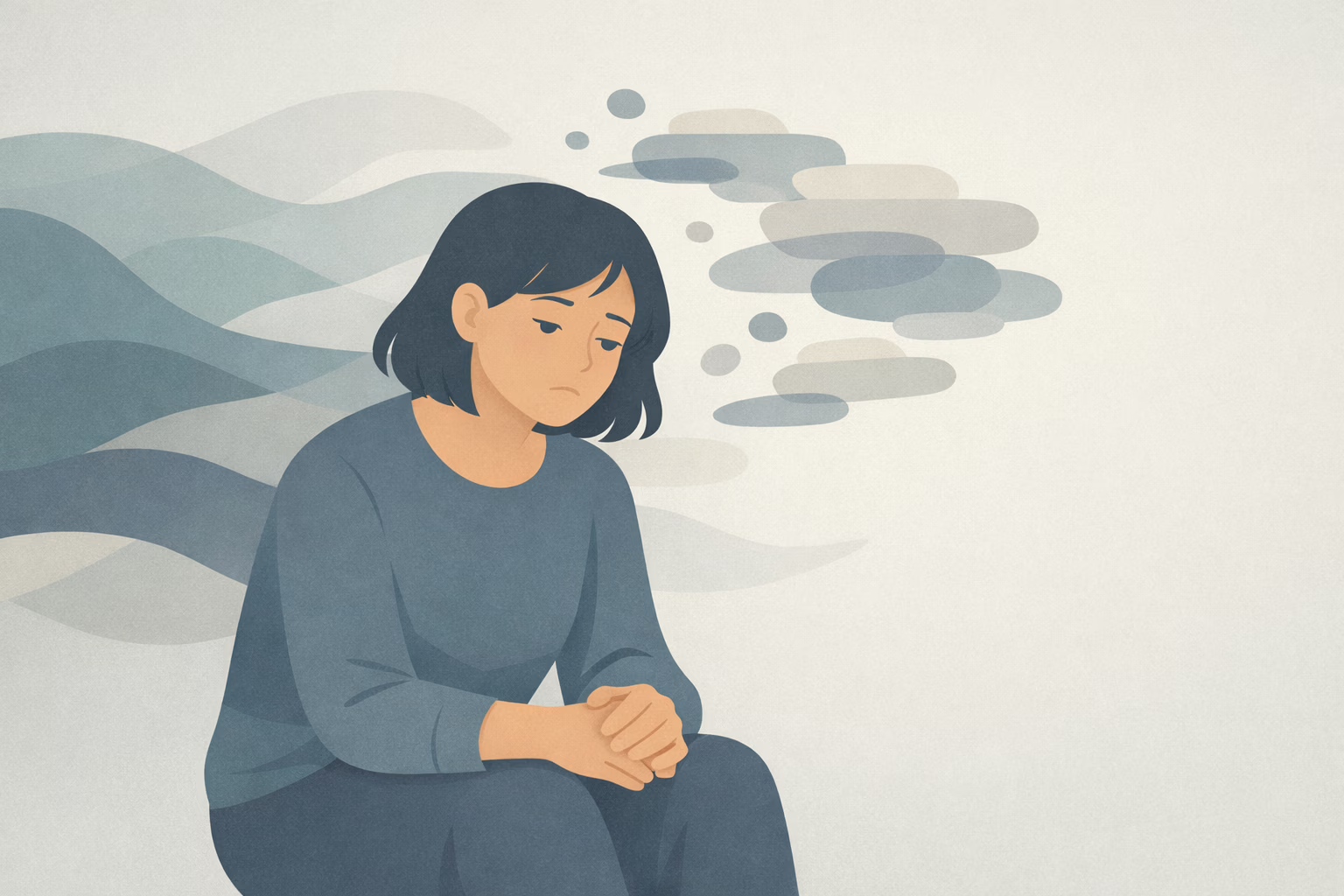
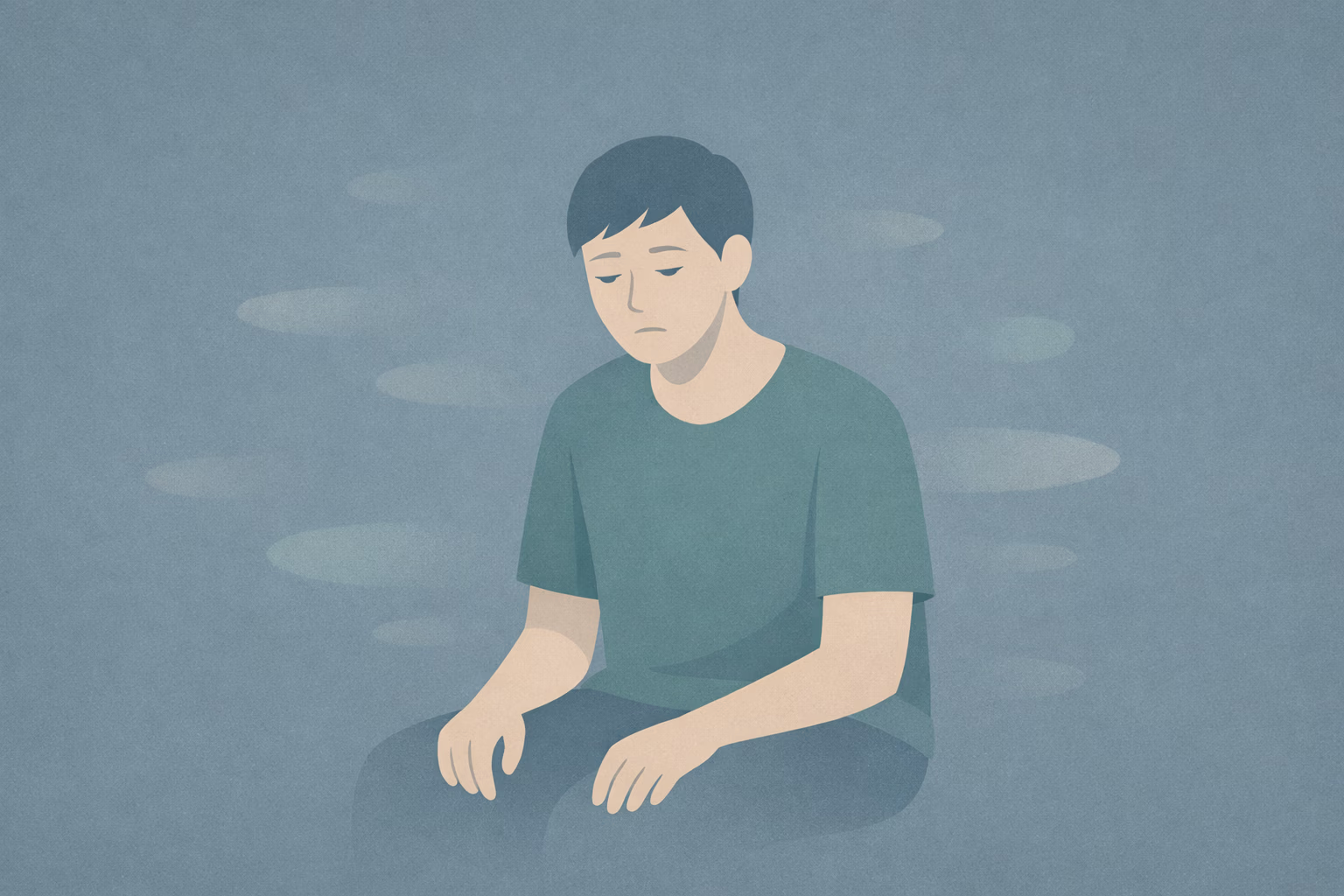
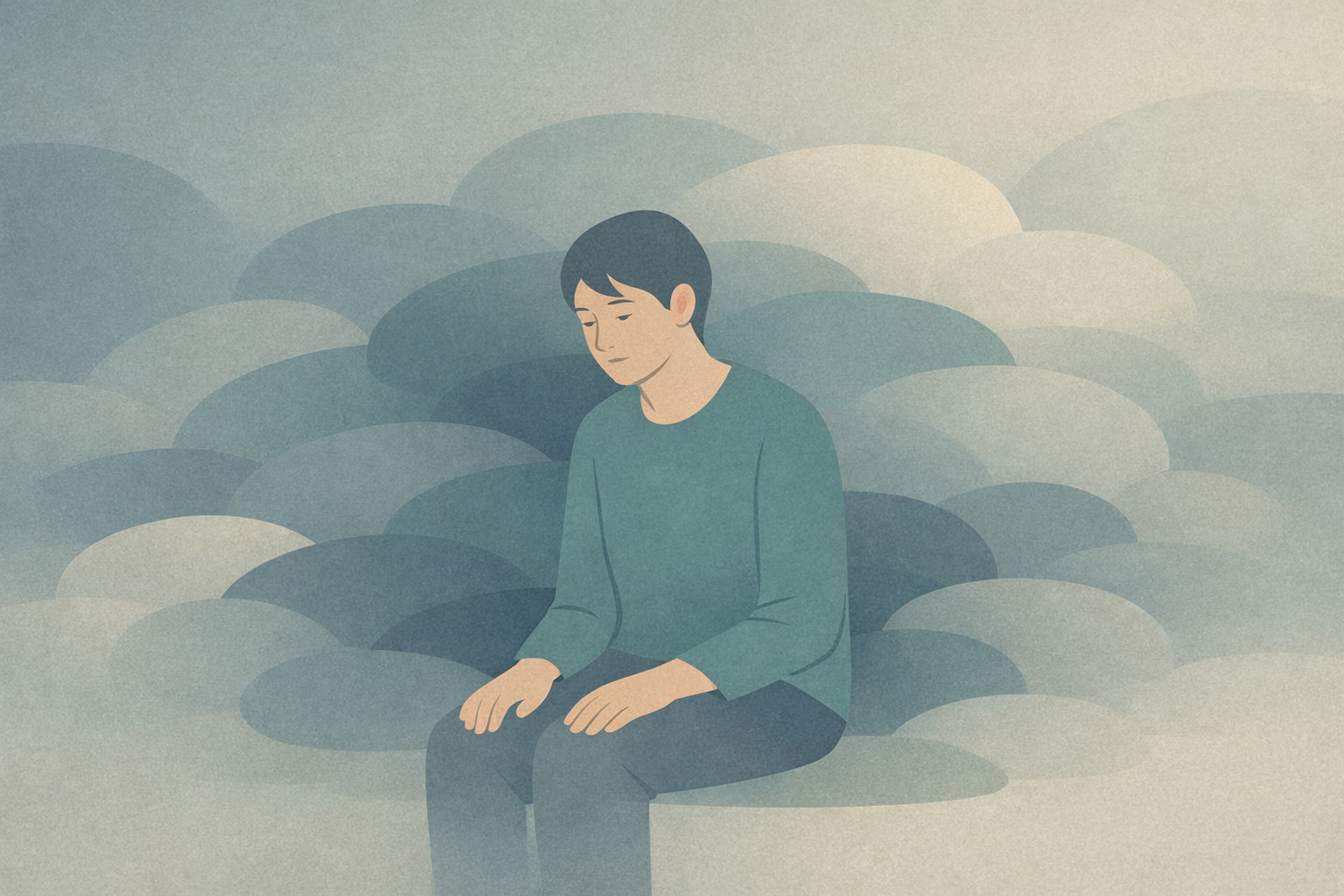
In context: No, you are experiencing “Chronic Compression.“ In the Meaning Density Model™, this happens when your internal space has been narrow for so long that it becomes your “constant state.“ Your Narrative & Identity system has adapted to a “low-volume“ environment to prevent overwhelm.

Inside, space has been rare for a long time.
Not absent— just limited.
Pressure learned to live close to everything else.
This is chronic compression, not a sudden crisis.
Naming it matters.
You are not failing to create room.
Room has been scarce.
Recognition restores realism and steadies the system.
When space has been rare, adaptation makes sense.
Name chronic compression gently with DojoWell.
Explore DojowellArticles exploring the psychology behind these patterns.
No, you are experiencing "Chronic Compression." In the Meaning Density Model™, this happens when your internal space has been narrow for so long that it becomes your "constant state." Your Narrative & Identity system has adapted to a "low-volume" environment to prevent overwhelm. Naming this "limited space" without alarm—simply recognizing it as a current structural setting—prevents the Threat system from panicking, which is the first step toward eventually expanding that space again.
Don't try to "expand" through force. Instead, acknowledge the limits of your current architecture. "Right now, I have room for exactly one thing." This honesty reduces the friction of trying to fit "infinite triggers" into a finite space. In DojoWell, we believe that accepting your current "narrowness" actually protects your remaining integrity, allowing your nervous system to slowly trust that it doesn't need to compress even further.
One Quiet Window, one insight, one reflection — every Sunday