
Emotional Suppression & Hidden Stress
Learn why suppressing emotions increases stress over time.
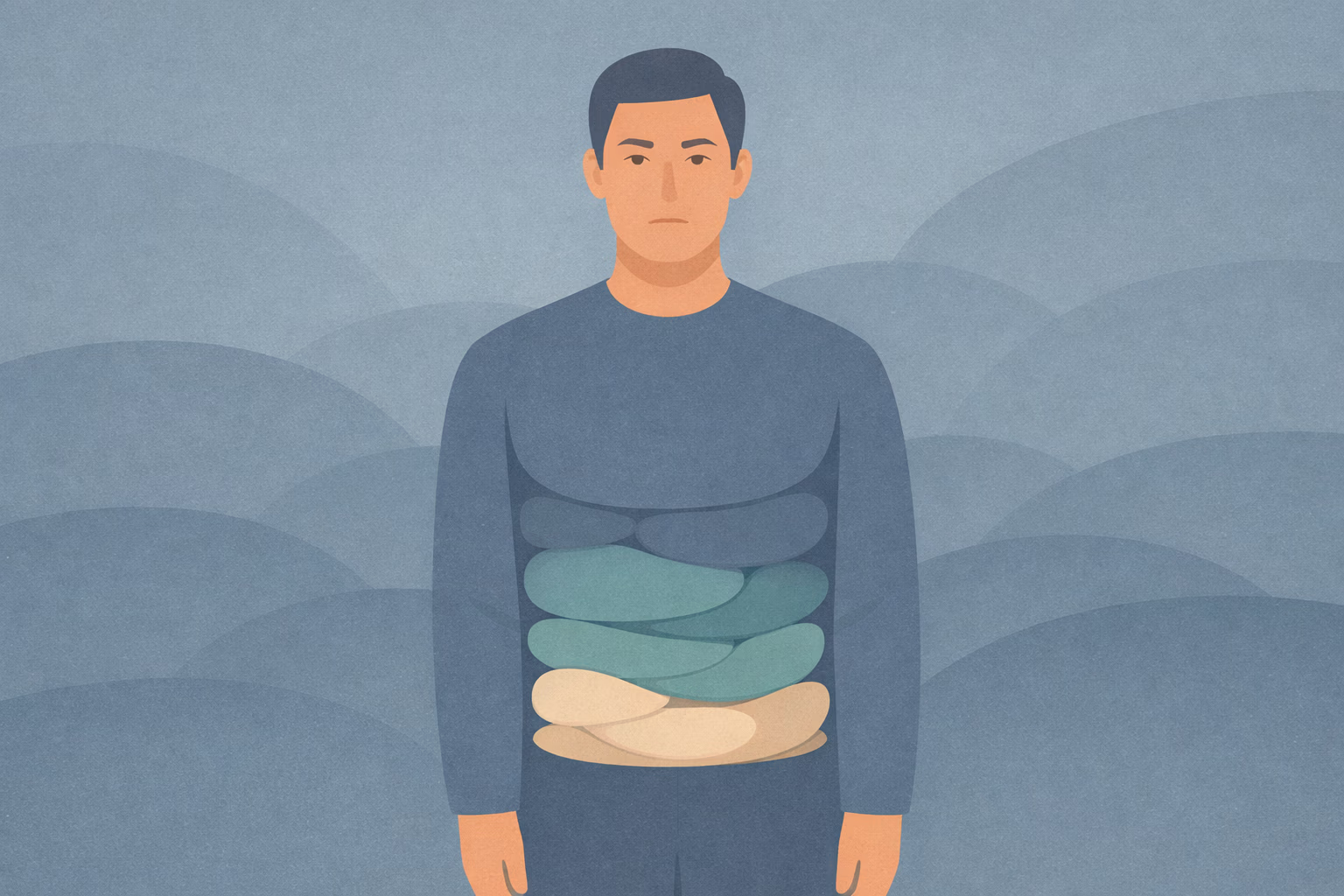
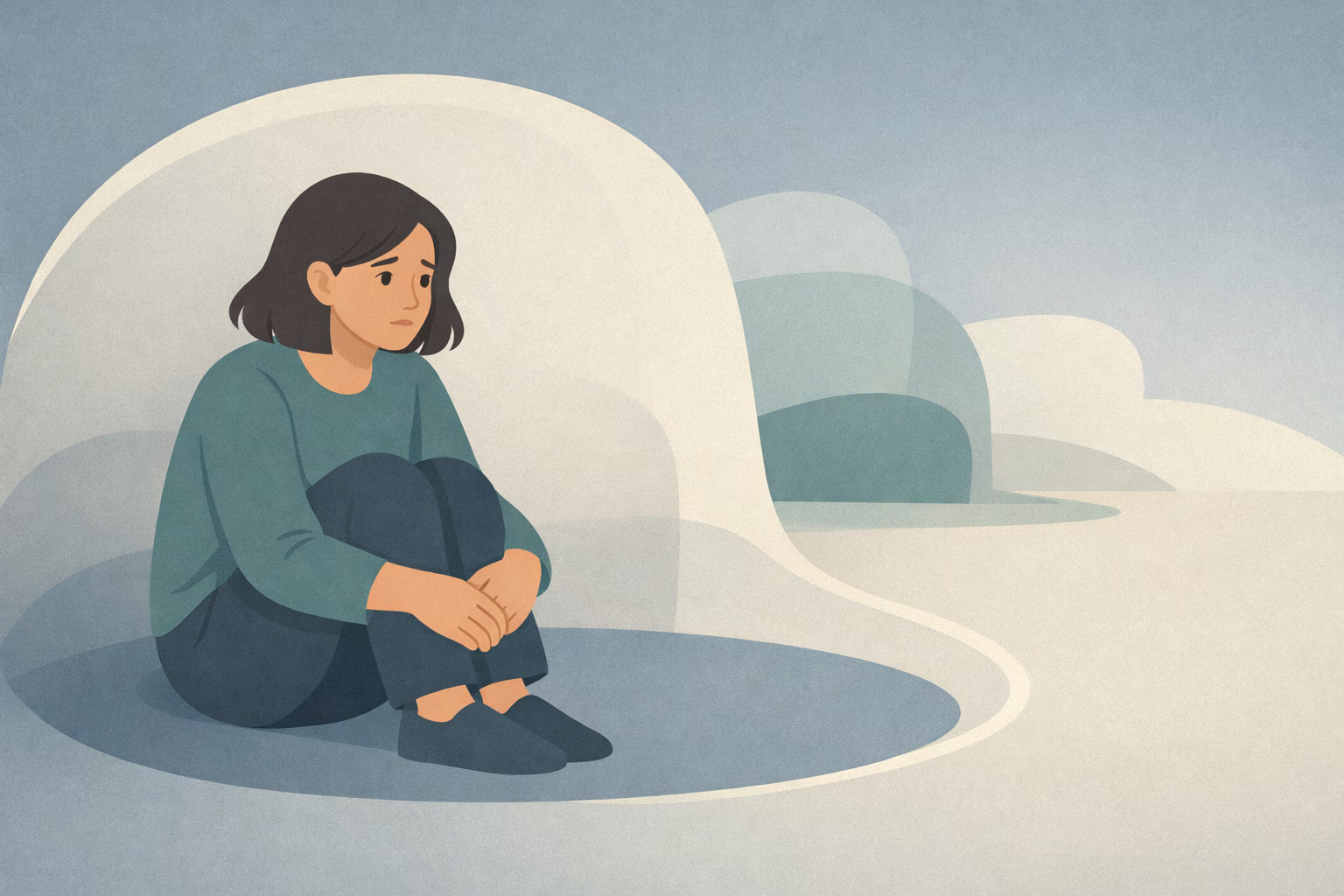
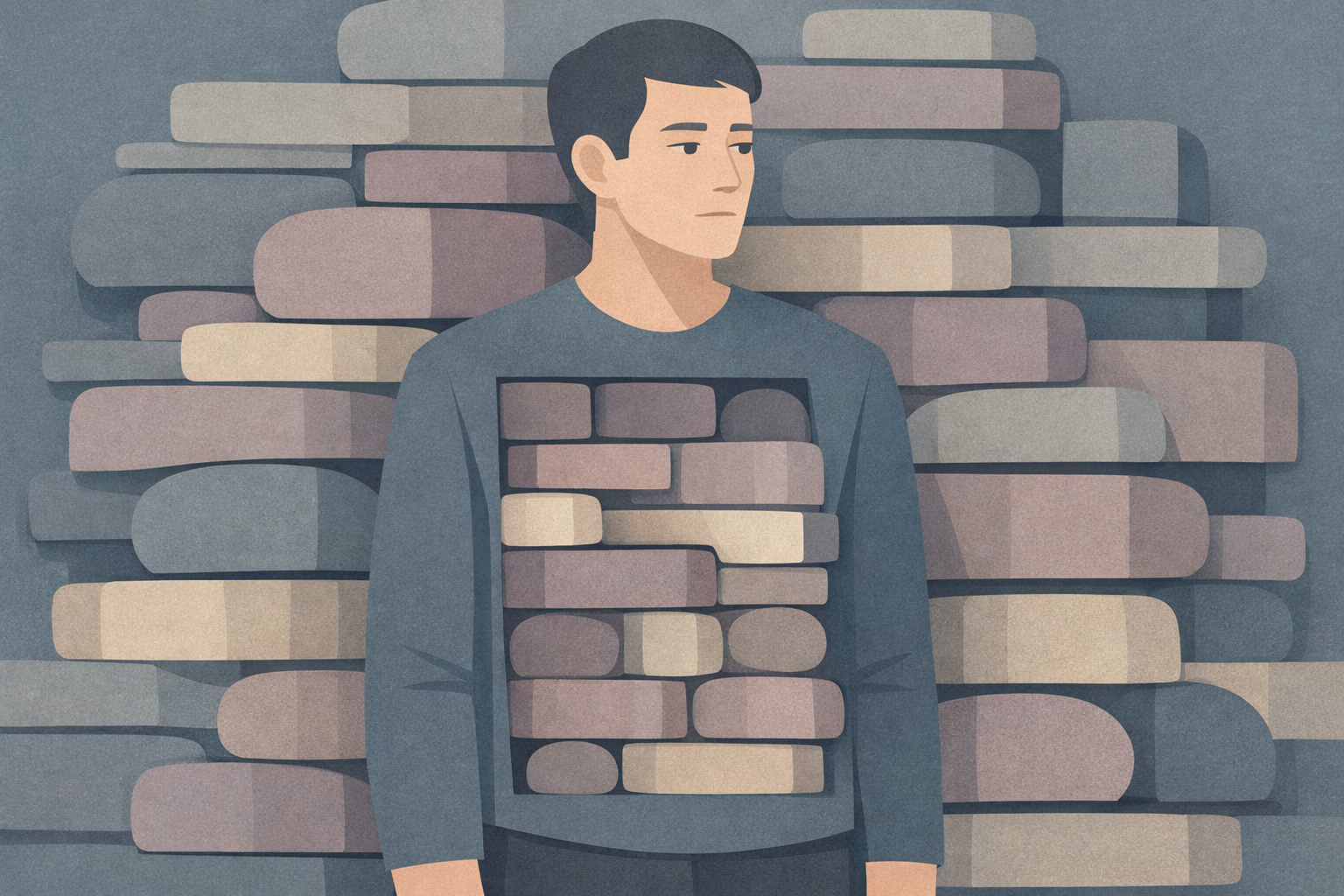
In context: This is “The Inside That Rarely Relaxes.“ It is chronic internal tightness shaped by years of Shame & Expectation. Your Status & Control system has stayed in “high-alert“ for so long that the muscles and fascia have adapted to a state of permanent bracing.
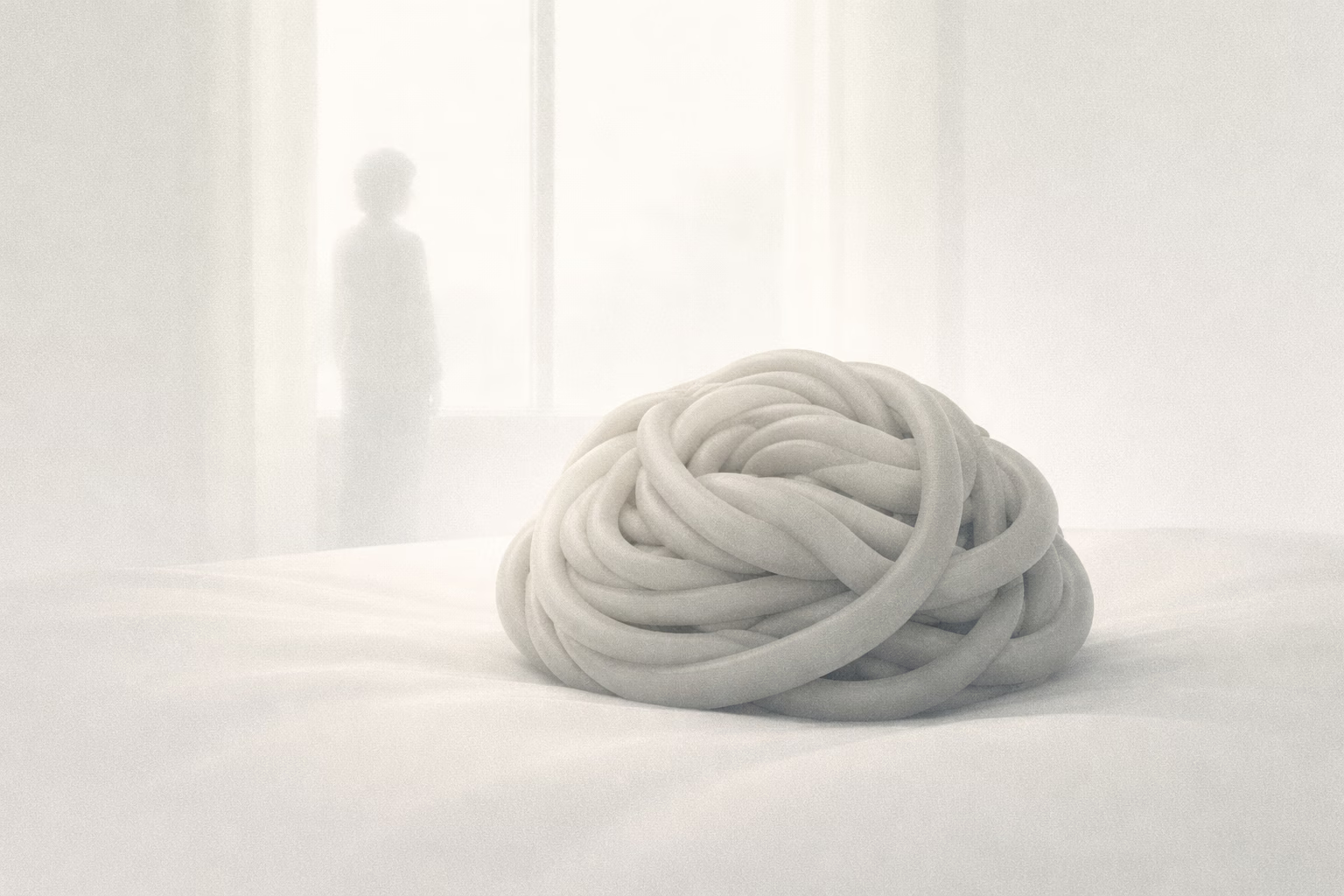
The inside that rarely relaxes doesn’t feel dramatic.
It simply never fully lets go.
Even in stillness, something remains coiled, alert, ready.
This tightness learned its role early, long before it had language.
It isn’t resistance; it is endurance.
Seeing it as a condition, not a personality, allows a little space to appear around it.
Understand chronic inner tension with DojoWell.
Explore DojowellArticles exploring the psychology behind these patterns.
This is "The Inside That Rarely Relaxes." It is chronic internal tightness shaped by years of Shame & Expectation. Your Status & Control system has stayed in "high-alert" for so long that the muscles and fascia have adapted to a state of permanent bracing. Naming this as a structural habit rather than a personal failure allows you to stop judging the tension and start providing the "Safety Signals" needed for it to slowly unwind.
You don't "force" relaxation; you "allow" it through low-velocity environments. In the model, we use Stillness Tolerance. By staying in a low-stimulus space and acknowledging the tightness without trying to "fix" it, you show your Threat system that the bracing is no longer necessary. As safety is registered, the "inside" begins to soften on its own biological timeline.
One Quiet Window, one insight, one reflection — every Sunday