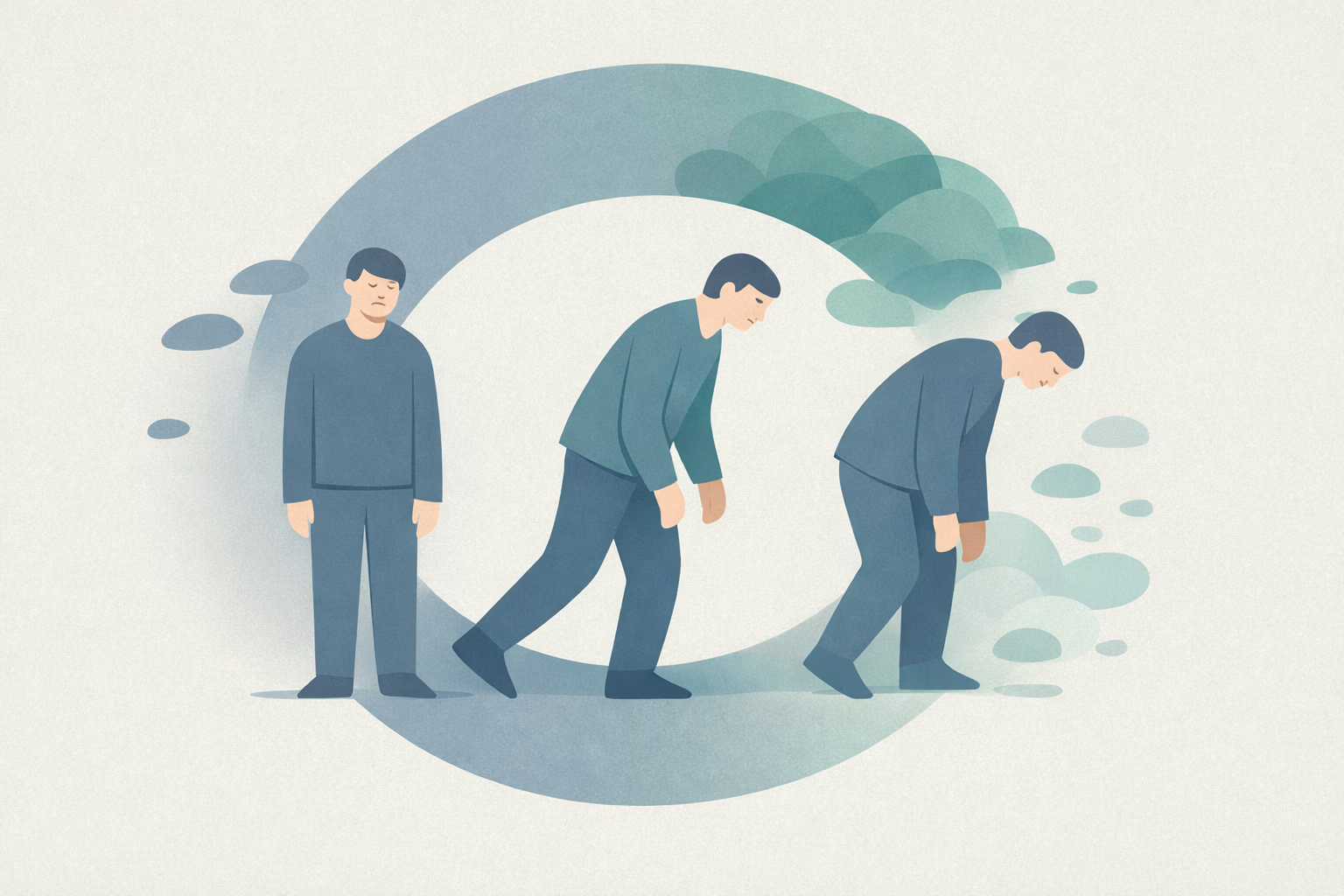
Numb–Crave–Crash Cycle
Understand the modern craving loop.
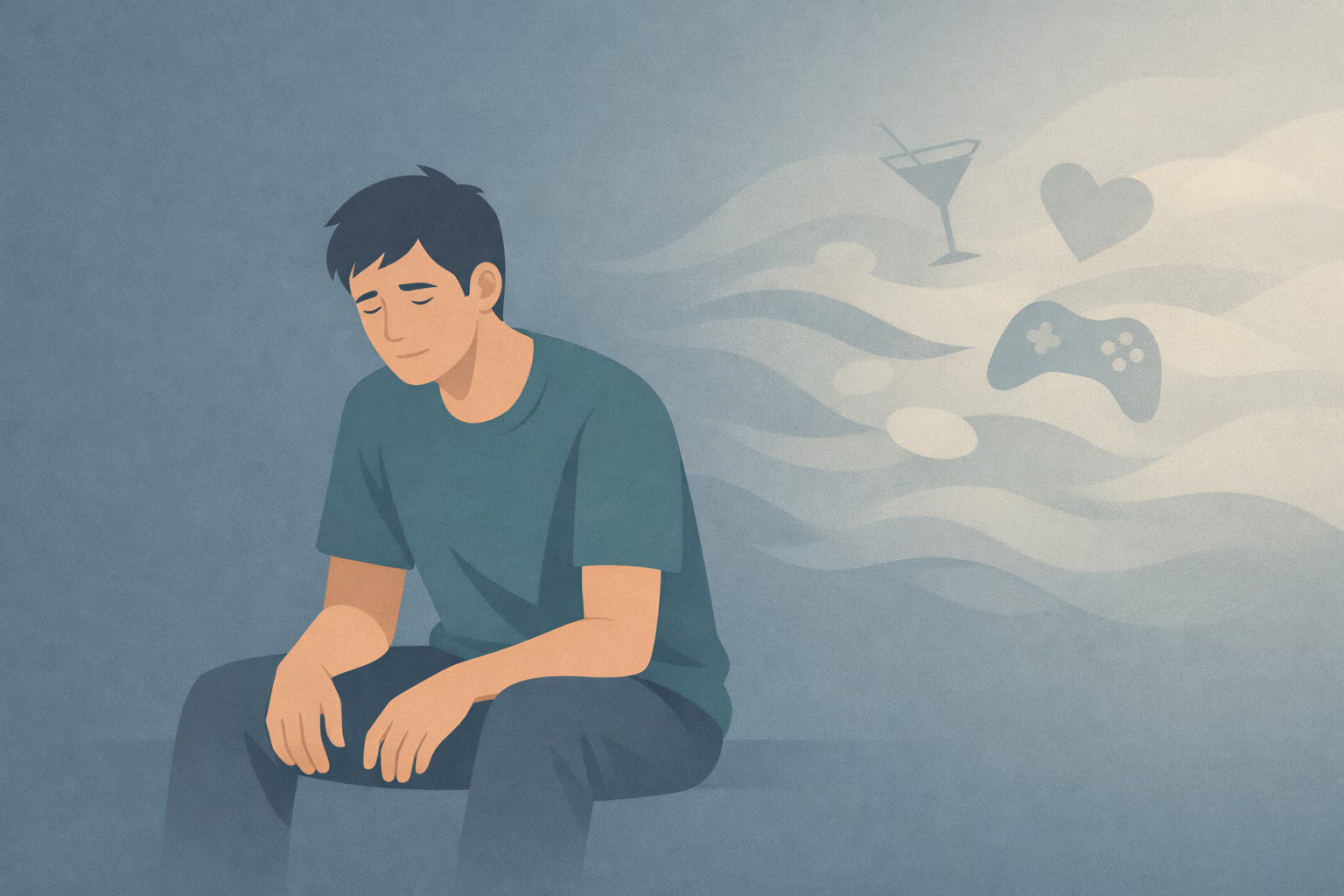
In context: In the short term, you may feel a sense of “craving pressure“ as your dopamine receptors search for a spike. However, in the Meaning Density Model™, this absence is essential for restoring neutrality. By allowing the “hit“ to vanish, you lower the baseline of your Reward system.

This is a moment without a hit.
Nothing lands.
Nothing spikes.
The system waits, then notices it can keep waiting.
Craving loses its language here.
Absence becomes neutral rather than painful.
Let the horizon stay flat.
The body learns that nothing bad happens when nothing happens.
Soften craving patterns with DojoWell.
Explore DojowellArticles exploring the psychology behind these patterns.
In the short term, you may feel a sense of "craving pressure" as your dopamine receptors search for a spike. However, in the Meaning Density Model™, this absence is essential for restoring neutrality. By allowing the "hit" to vanish, you lower the baseline of your Reward system. This recalibration makes it possible to feel satisfied by smaller, high-density experiences later on, rather than being stuck in a cycle of diminishing returns.
Constant rewards create a "meaning deficit" where nothing feels like enough. Neutrality is the structural "reset" point for your nervous system. When you are neutral, your Threat & Safety system is not under pressure to perform or pursue. This state of "zero-demand" is where true integration happens. It allows your body to rest and your identity to update, ensuring that your next action is a choice rather than a compulsion.
One Quiet Window, one insight, one reflection — every Sunday