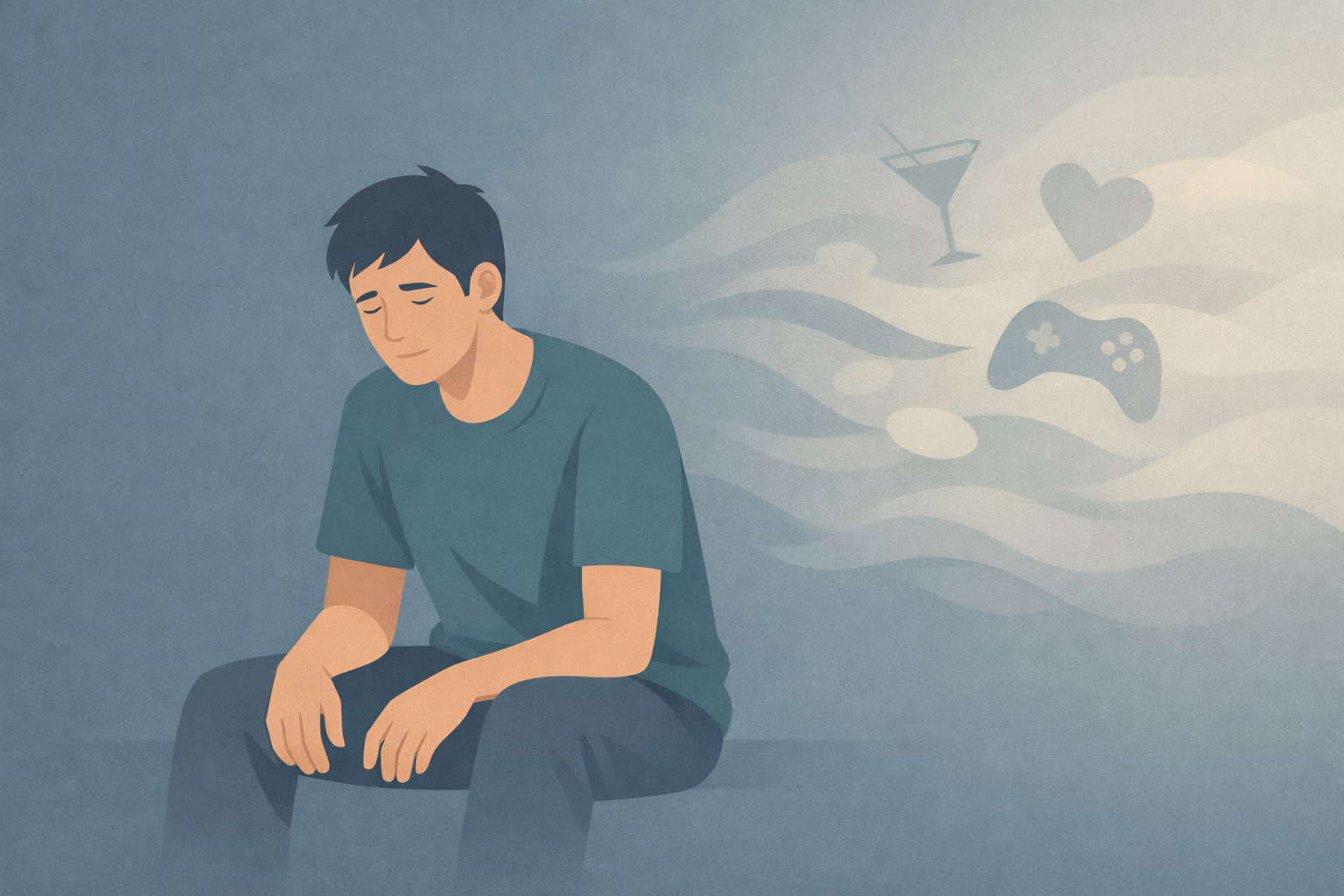

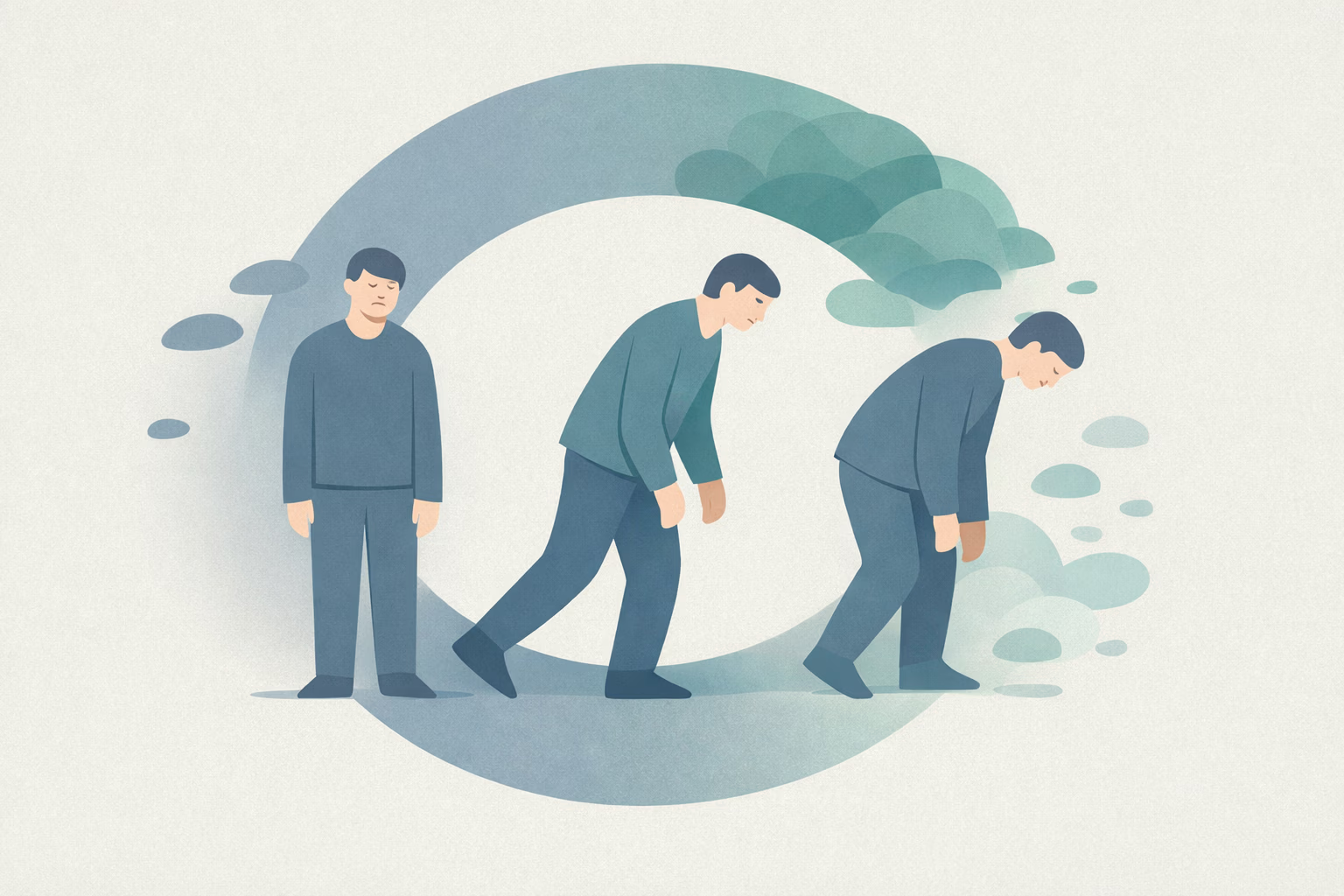
Numb–Crave–Crash Cycle
Understand the modern craving loop.
In context: When you expect a reward, your Reward & Pursuit system stays in a “high-tension“ state, waiting for the finish line. This expectation creates a constant “dopamine pressure.“ By intentionally entering a moment where you know no reward is coming, you allow that tension to collapse.
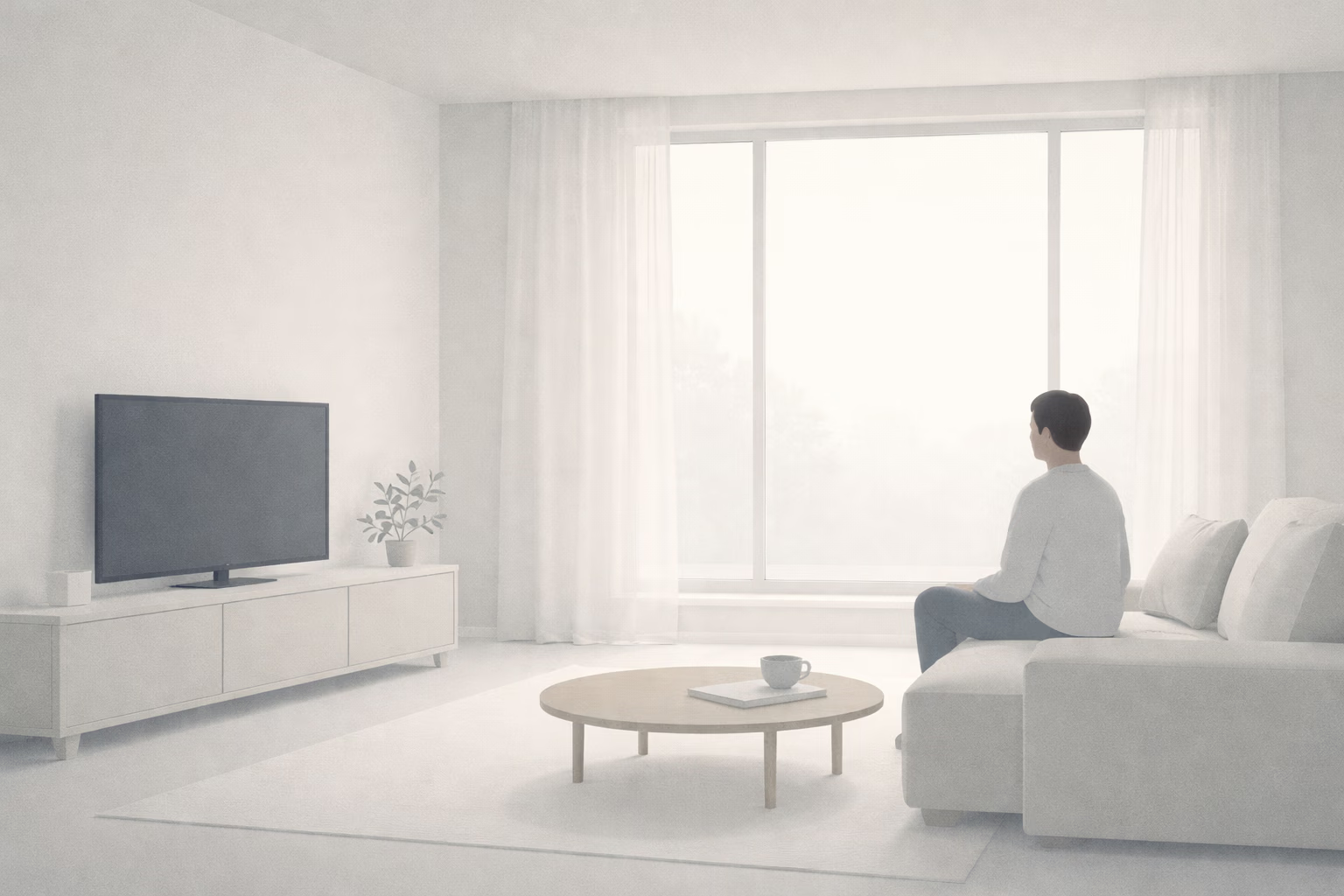
This moment offers no reward.
The screen stays unlit.
Nothing arrives to confirm effort.
The system learns it can remain here without payout.
Expectation loosens.
Relief follows.
Release reward expectation with DojoWell.
Explore DojowellArticles exploring the psychology behind these patterns.
When you expect a reward, your Reward & Pursuit system stays in a "high-tension" state, waiting for the finish line. This expectation creates a constant "dopamine pressure." By intentionally entering a moment where you know no reward is coming, you allow that tension to collapse. This "pressure relief" is what allows the nervous system to finally settle into a state of rest. You are teaching your brain that effort doesn't always have to be a transaction.
Actually, it makes your motivation more sustainable. Constant dopamine pressure leads to "receptor burnout," where you need more and more stimulation to feel anything. By easing that pressure through low-stimulus breaks, you allow your receptors to recover their sensitivity. This means that when you do return to your goals, your Reward system will be more responsive and your efforts will feel more meaningful and less like a frantic, exhausting chase.
One Quiet Window, one insight, one reflection — every Sunday