

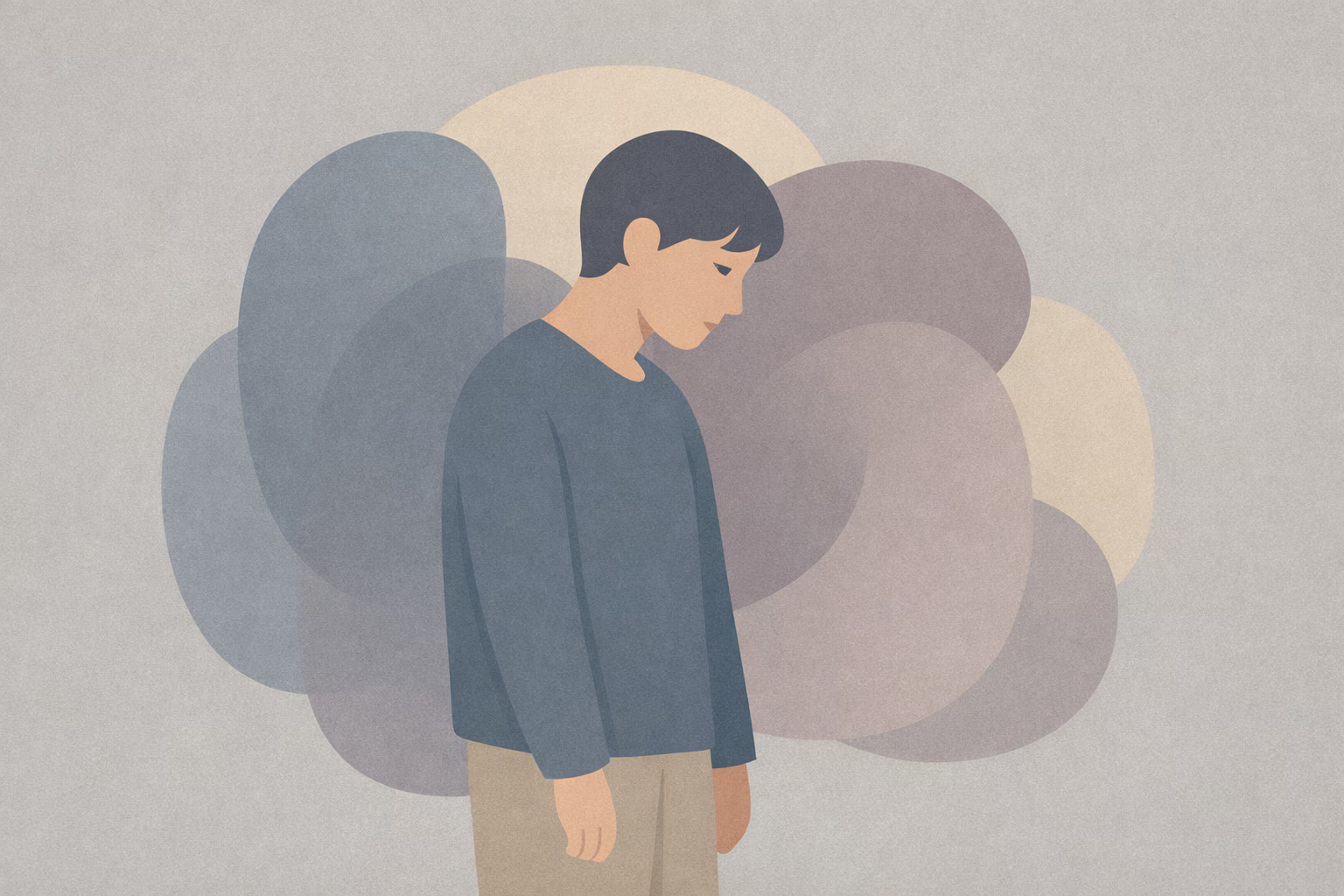
Guilt, Shame & Behavioral Control
Learn how guilt and shame evolved to maintain tribe belonging and how they misfire today.
In context: This is the “Quiet Accusation Beneath the Day“—a state of subtle, background self-blame. It is a low-level Threat Loop where your system is stuck in a “guilty“ posture. Naming it as a structural glitch rather than an actual crime reduces its weight.

The quiet accusation beneath the day doesn’t interrupt.
It underlines moments silently, hinting at fault without stating it outright.
This background blame colors ordinary experience with unease.
It feels personal, but it is patterned.
Awareness brings the underline into view.
Recognize background self-blame with DojoWell.
Explore DojowellArticles exploring the psychology behind these patterns.
Learn how guilt and shame evolved to maintain tribe belonging and how they misfire today.
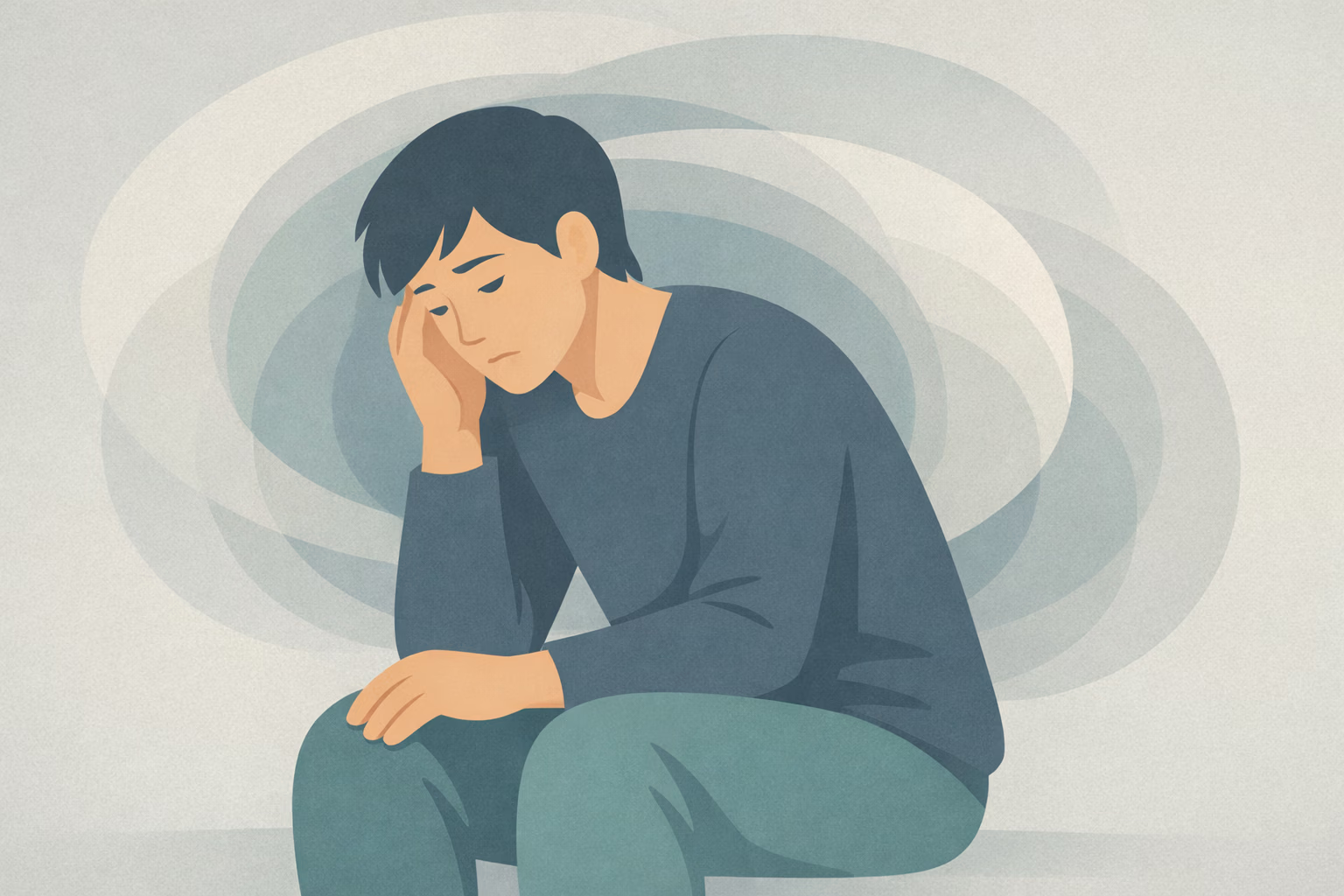
Learn how mental stress amplifies itself inside your mind.
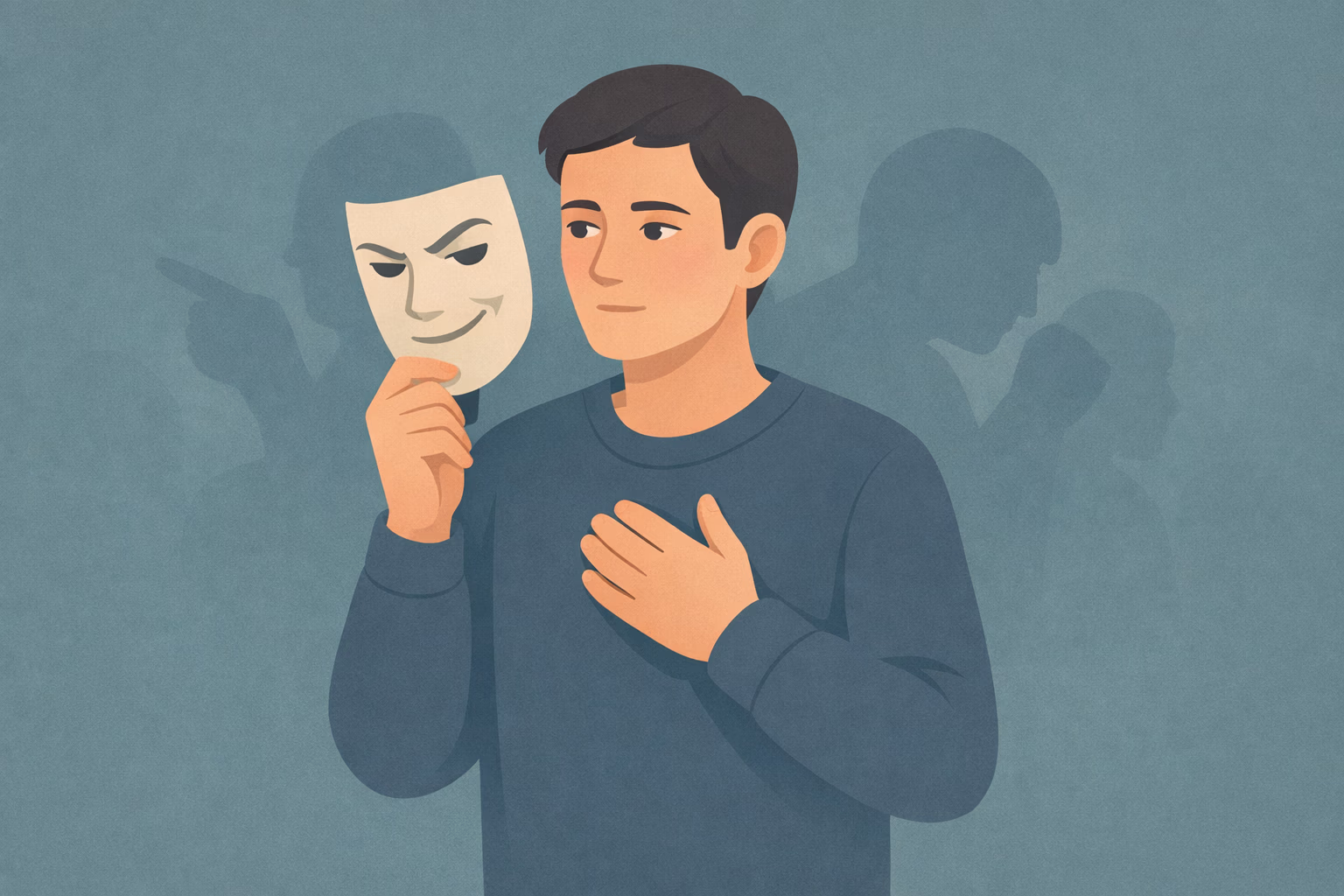
Understand why self-righteousness often hides insecurity and emotional fear.
This is the "Quiet Accusation Beneath the Day"—a state of subtle, background self-blame. It is a low-level Threat Loop where your system is stuck in a "guilty" posture. Naming it as a structural glitch rather than an actual crime reduces its weight. It’s often just the "background hum" of a nervous system that has been over-trained in evaluation and hasn't had enough time in a "zero-verdict" space.
Treat it as "physiological noise" rather than "moral data." When the feeling of accusation arises, don't go looking for a reason; just acknowledge: "The system is currently running a blame-signal." Focus on environmental safety and contiguous attention. As you provide your body with evidence of current safety, the "background accusation" will eventually lose its power and fade into the quiet.
One Quiet Window, one insight, one reflection — every Sunday