


Emotional Outsourcing & Dependence
Learn why relying on others for emotional stability backfires.
In context: This is the “core tension“ of the human integrator. Threat & Safety requires distance and predictability; Reward & Pursuit (closeness) requires vulnerability and uncertainty. In the Meaning Density Model™, this conflict is a permanent structural feature of being human. Naming this tension prevents you from thinking you are “doing it wrong.
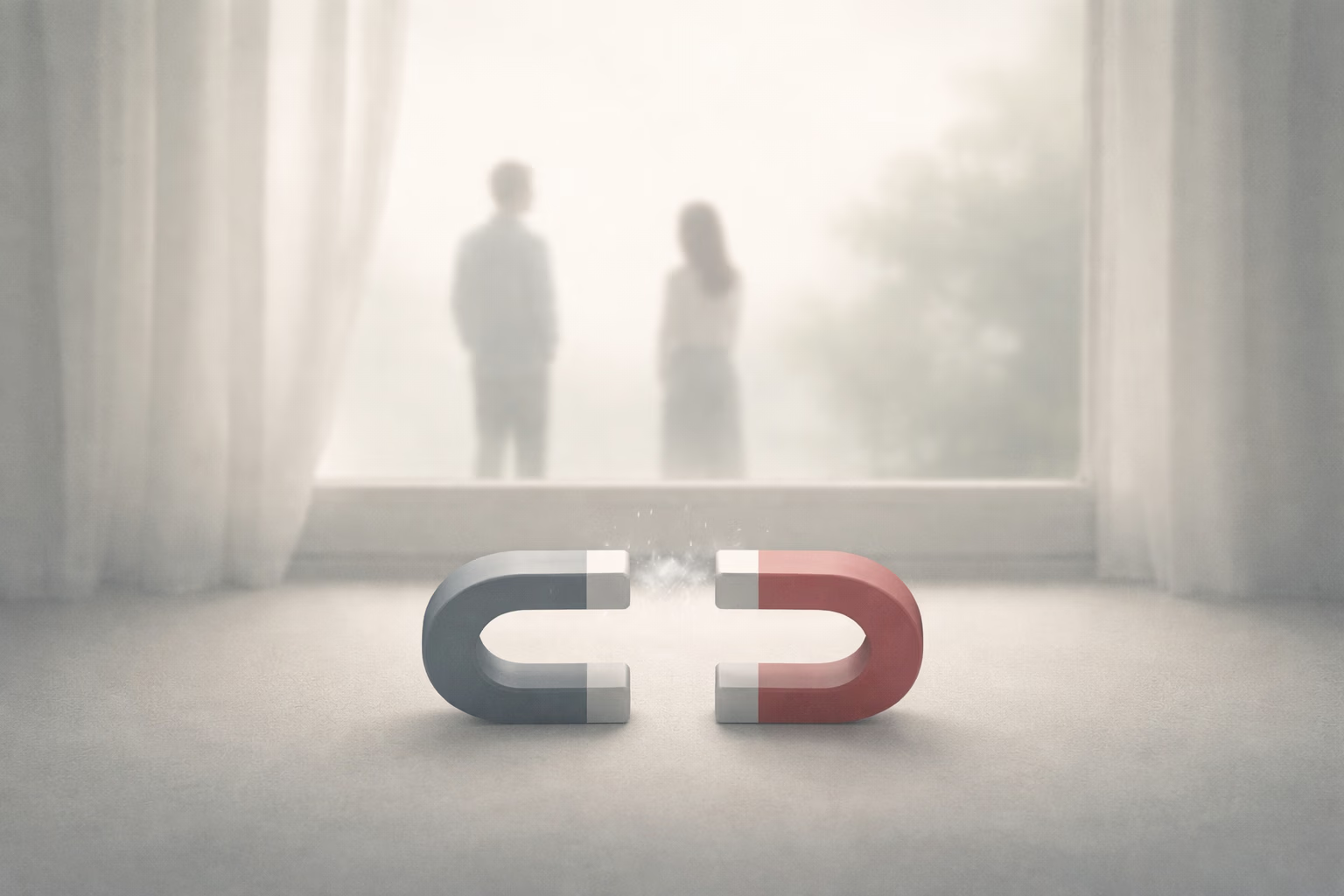
Safety pulls one way, closeness another.
They draw near but do not merge.
You hold both impulses at once, feeling the quiet conflict beneath decision-making.
This tension is not a flaw—it is the living edge of attachment, where care and protection coexist.
Recognize core conflict with DojoWell.
Explore DojowellArticles exploring the psychology behind these patterns.
Learn why relying on others for emotional stability backfires.
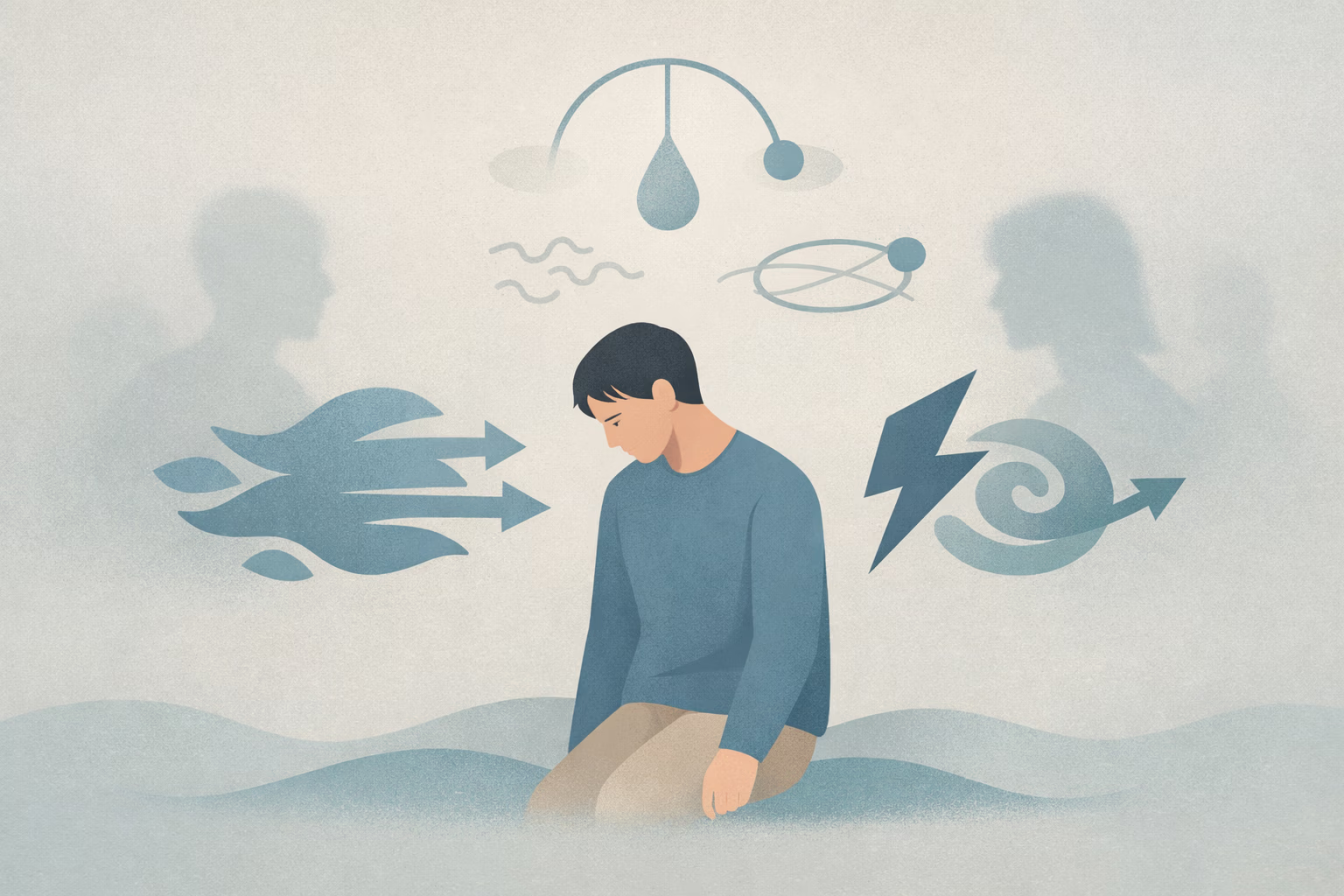
Explore why inner friction appears during transitions.
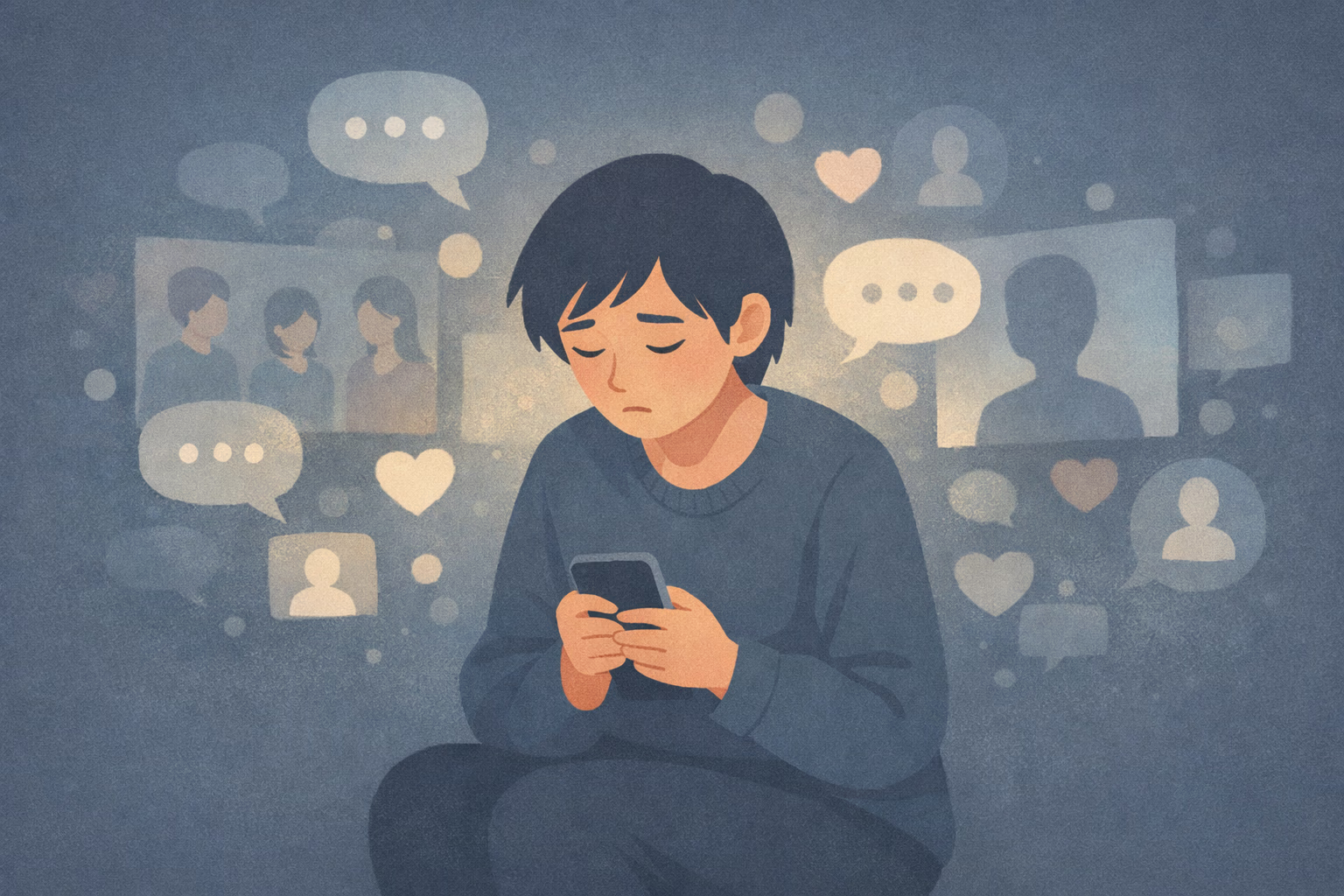
Understand why social anxiety is rising and how online comparison intensifies ancient belonging fears.
This is the "core tension" of the human integrator. Threat & Safety requires distance and predictability; Reward & Pursuit (closeness) requires vulnerability and uncertainty. In the Meaning Density Model™, this conflict is a permanent structural feature of being human. Naming this tension prevents you from thinking you are "doing it wrong." You aren't broken; you are simply managing the two most powerful systems in your body as they negotiate for control over your current state.
You don't "resolve" it; you "witness" it. Resolution implies one side must win, which leads to either isolation (Safety wins) or enmeshment (Closeness wins). Instead, you aim for "dynamic balance." By acknowledging both needs, you allow the Narrative system to navigate the middle ground. This "holding of the tension" is a high-level integration skill that allows you to be close while remaining safe, leading to a state of "secure coherence."
One Quiet Window, one insight, one reflection — every Sunday