

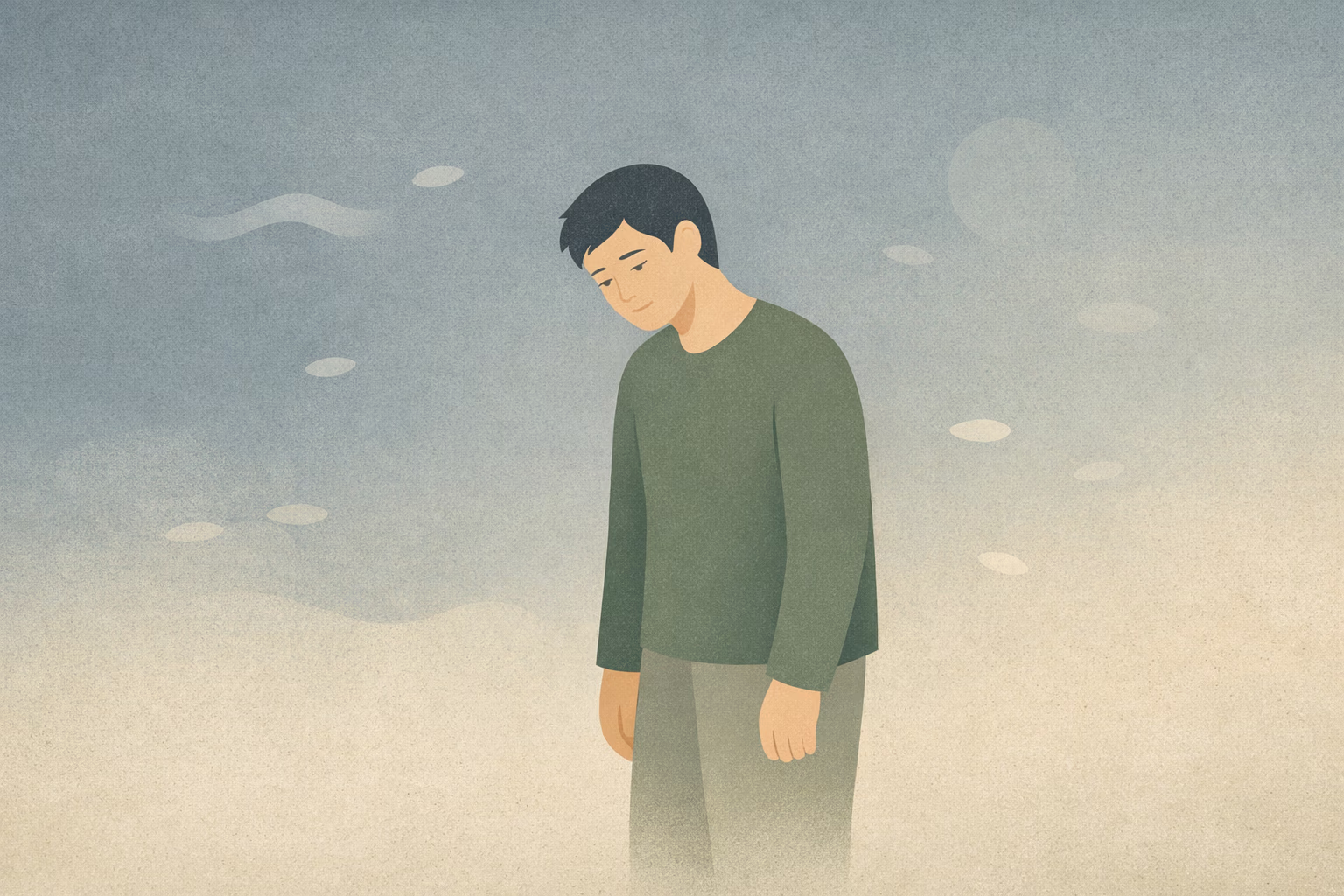
Dopamine Withdrawal & Emotional Crash
Understand dopamine withdrawal and how overstimulation causes emotional crashes.
In context: A quiet crash is an undramatic drop in state that follows stimulation. It doesn't feel like a crisis; it feels like a sudden lack of interest, subtle fatigue, or “grayness.“ Identifying it without urgency is key. It is simply the moment the Reward system powers down.
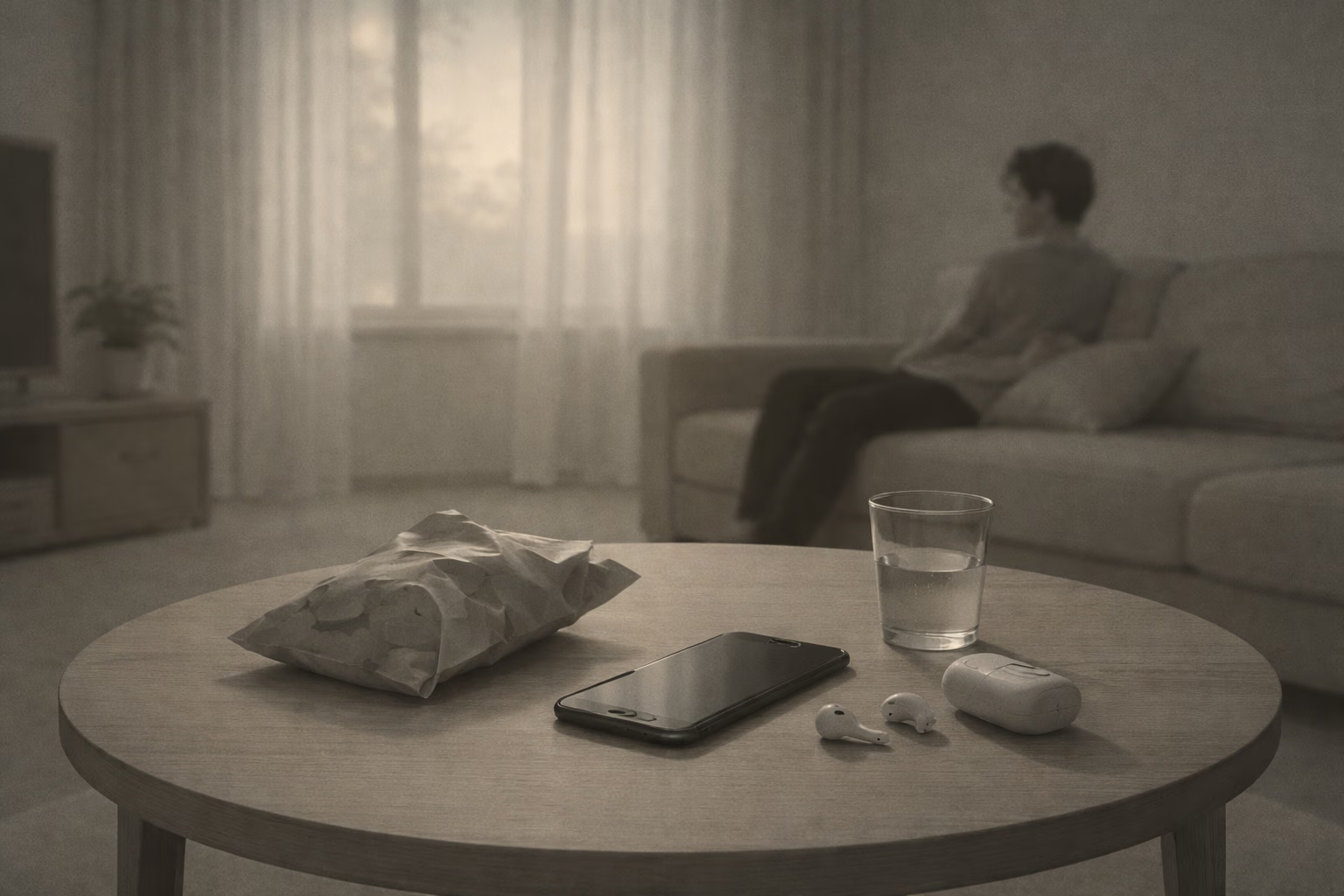
After more, there is a quiet crash.
No alarm.
Just dimming.
Energy lowers and interest thins.
Naming the crash keeps it from becoming a problem to solve.
Identify quiet crashes with DojoWell.
Explore DojowellArticles exploring the psychology behind these patterns.
Understand dopamine withdrawal and how overstimulation causes emotional crashes.
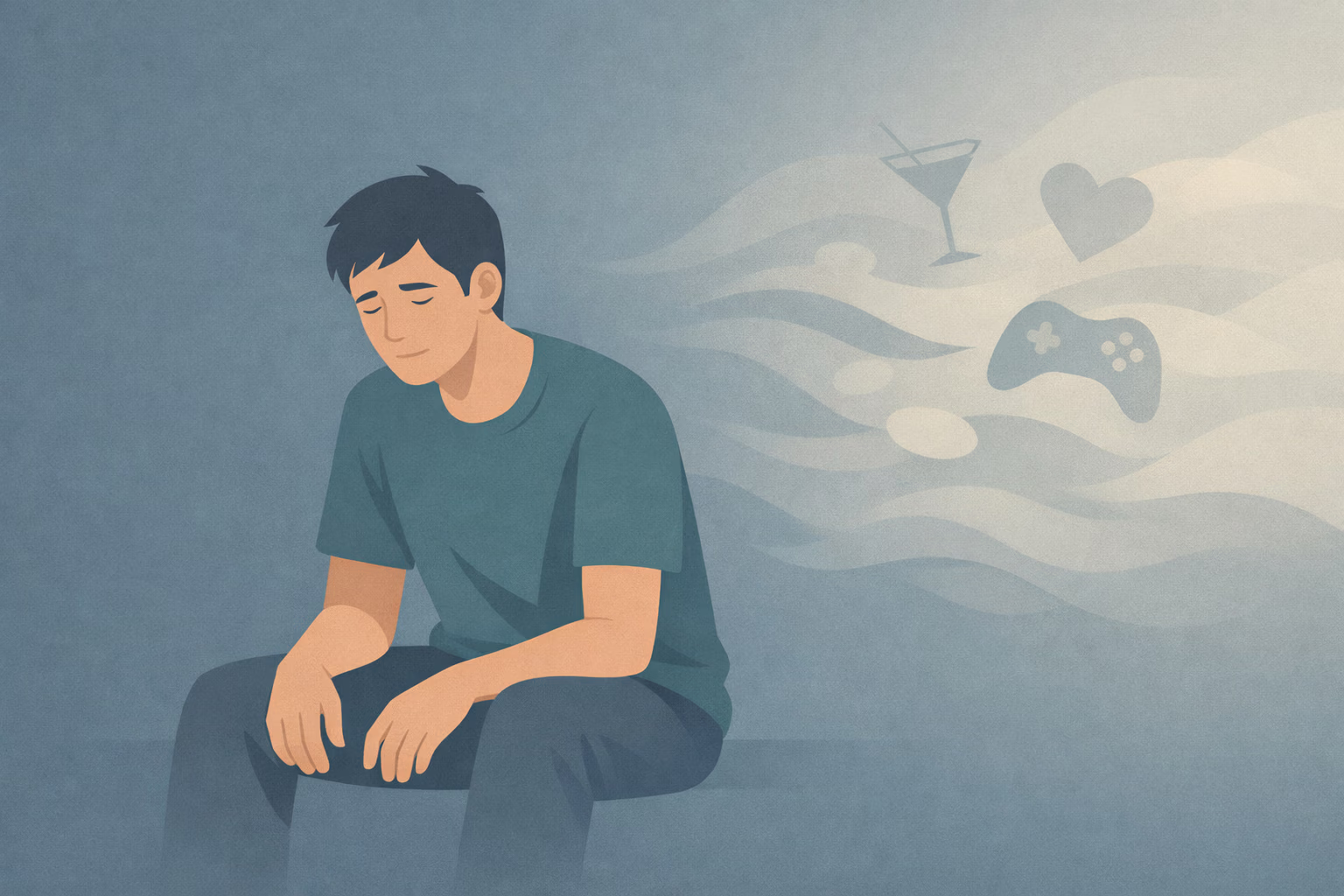
Understand why pleasure without purpose collapses meaning.
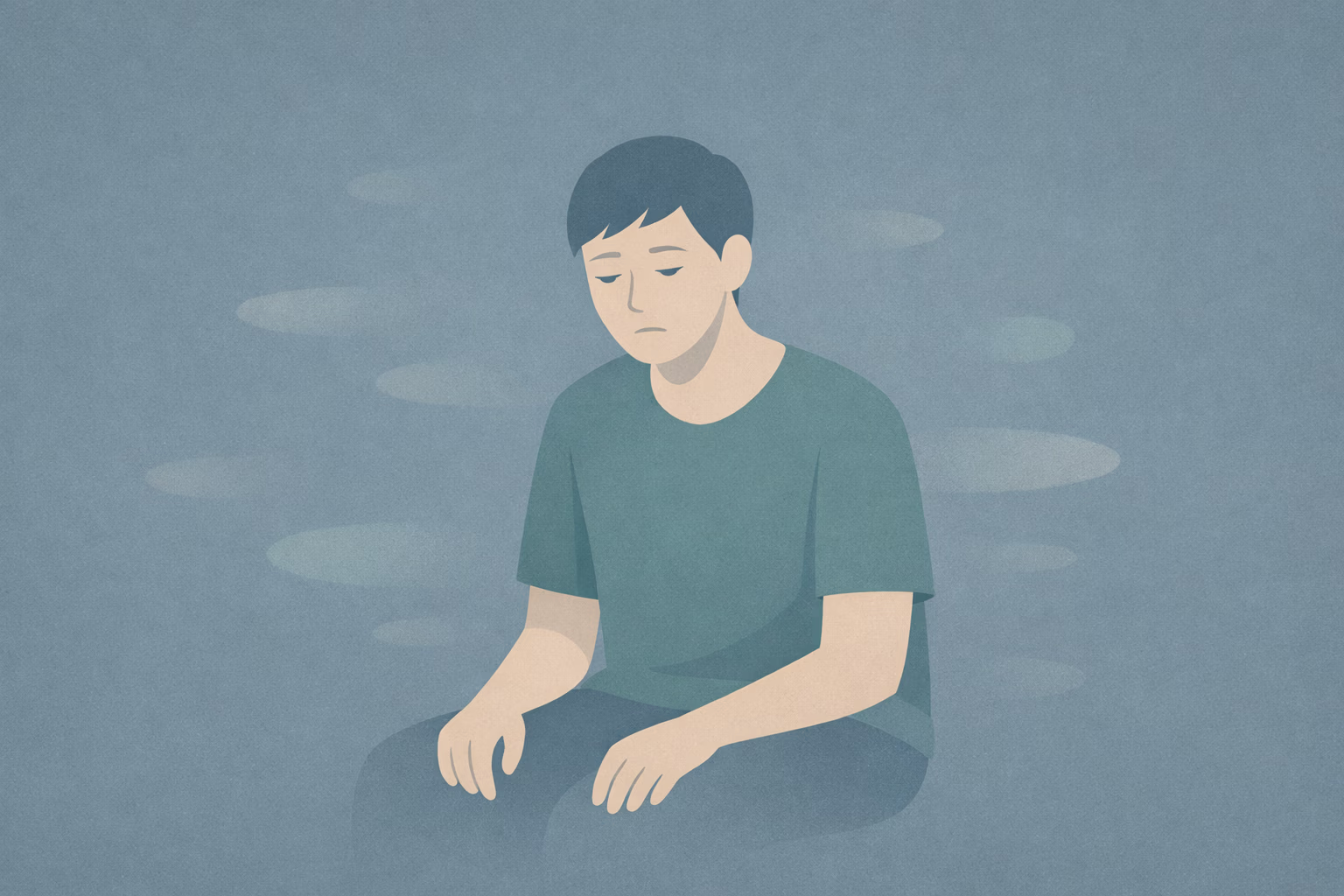
Understand emotional exhaustion and how to rebuild capacity.
A quiet crash is an undramatic drop in state that follows stimulation. It doesn't feel like a crisis; it feels like a sudden lack of interest, subtle fatigue, or "grayness." Identifying it without urgency is key. It is simply the moment the Reward system powers down. When you recognize it as a structural event, you stop trying to "fix" your mood and instead allow the system to rest.
If you don't identify it, you may mistake the lack of energy for a lack of purpose. This triggers the Status & Control system to start "problem-solving," which actually prevents the rest your body needs. By naming it a "quiet crash," you give yourself permission to be unproductive. This protects your nervous system from unnecessary stress and allows the integration of your recent activities to happen more effectively.
One Quiet Window, one insight, one reflection — every Sunday