

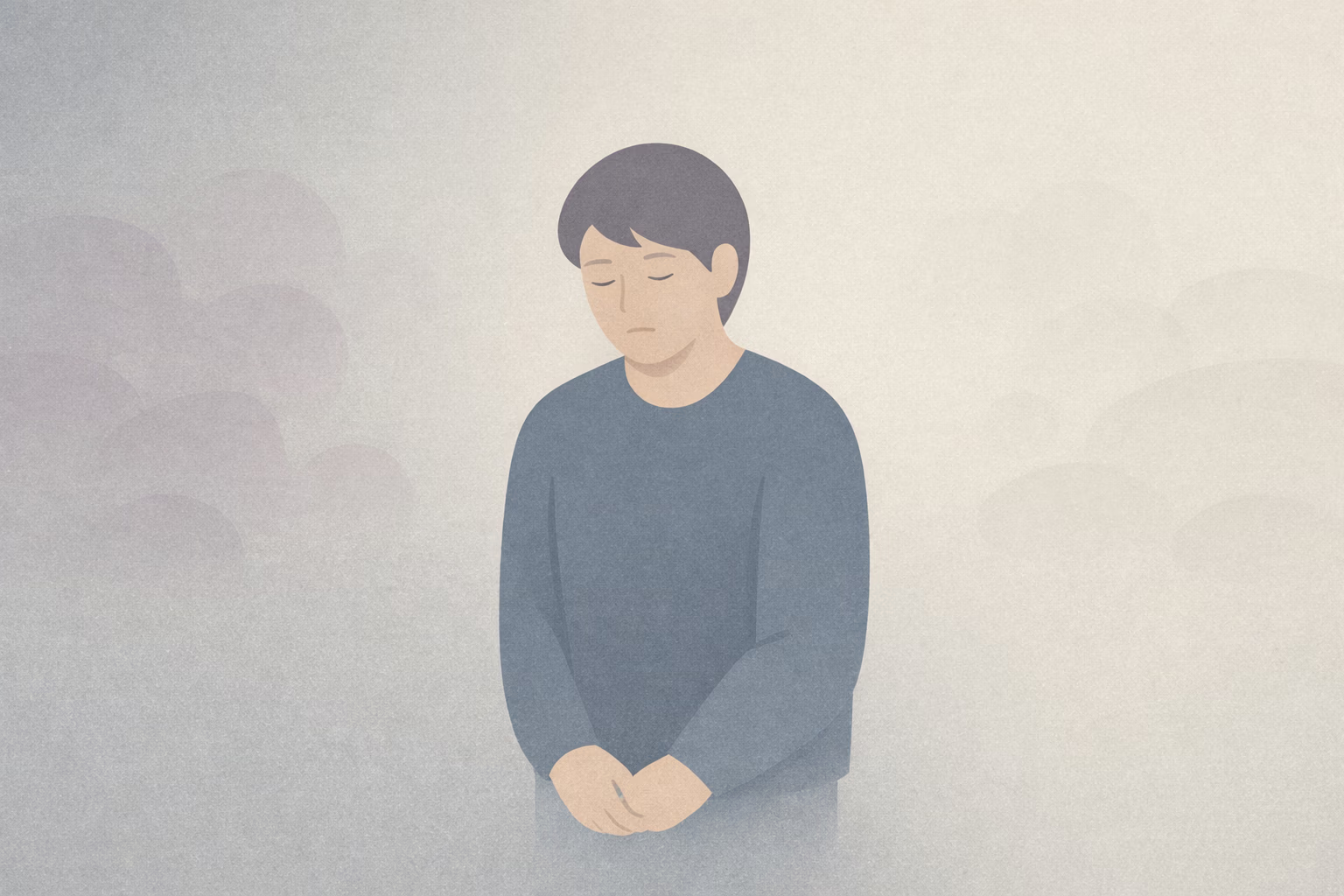
Psychological Withdrawal From Overstimulation
Learn why overstimulation withdrawal mimics depressive symptoms.
In context: This is “Post-Excess Evenness.“ After the Reward & Pursuit system has been pushed to its limit, it often enters a forced period of saturation. The resulting calm isn't a sign of boredom, but a structural necessity. Your nervous system is seeking a “zero-point“ to recover from the high-velocity spikes.

After excess, everything feels even.
Not bright, not dull—just steady.
The waves have stopped announcing themselves.
This quiet evenness is not emptiness; it is recovery.
The system has finished responding and now rests in balance.
Nothing needs to rise again yet.
Let the calm sea remain calm without searching for another storm.
Understand after-effects with DojoWell.
Explore DojowellArticles exploring the psychology behind these patterns.
Learn why overstimulation withdrawal mimics depressive symptoms.
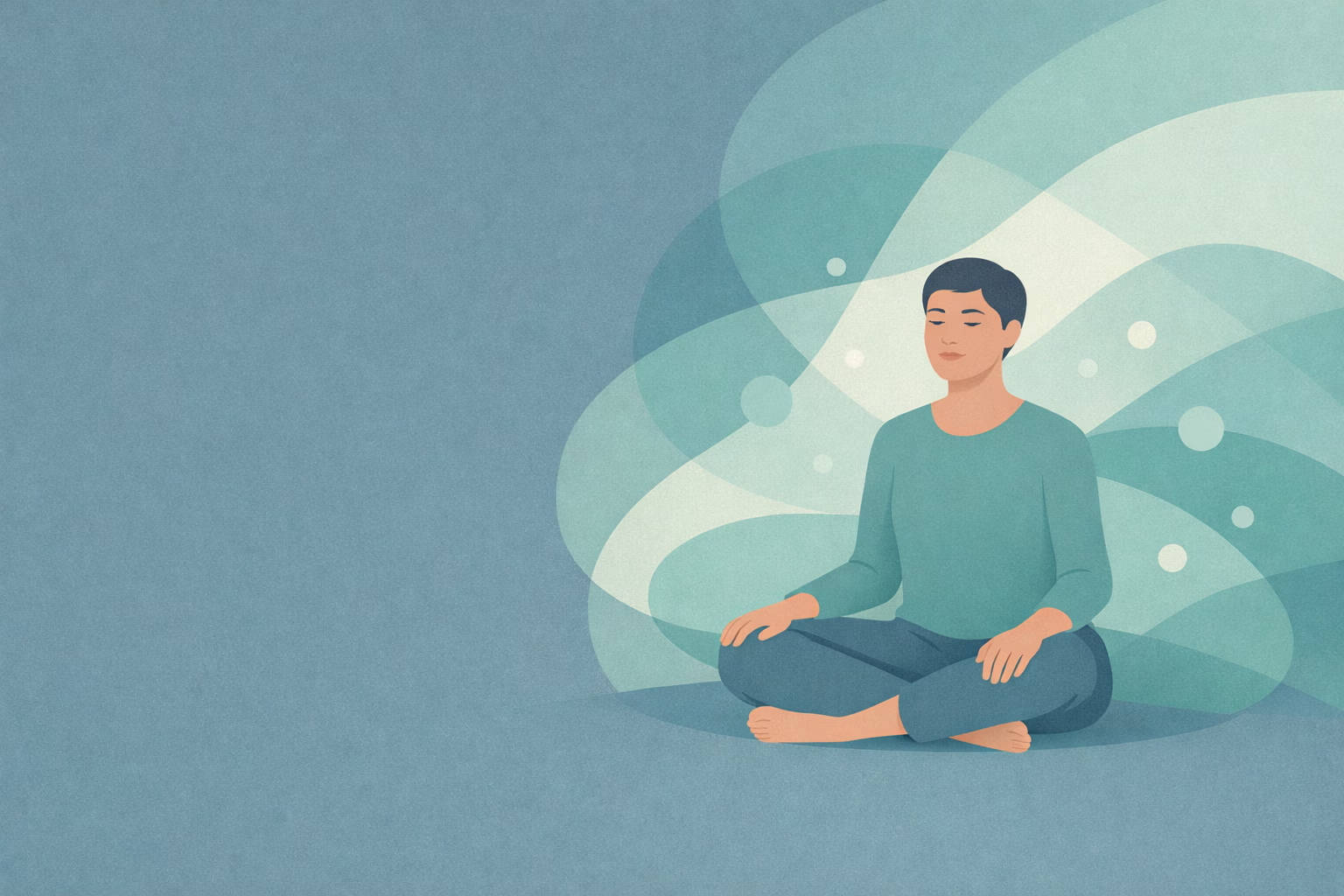
Understand why rest isn’t enough and recovery practices matter more.
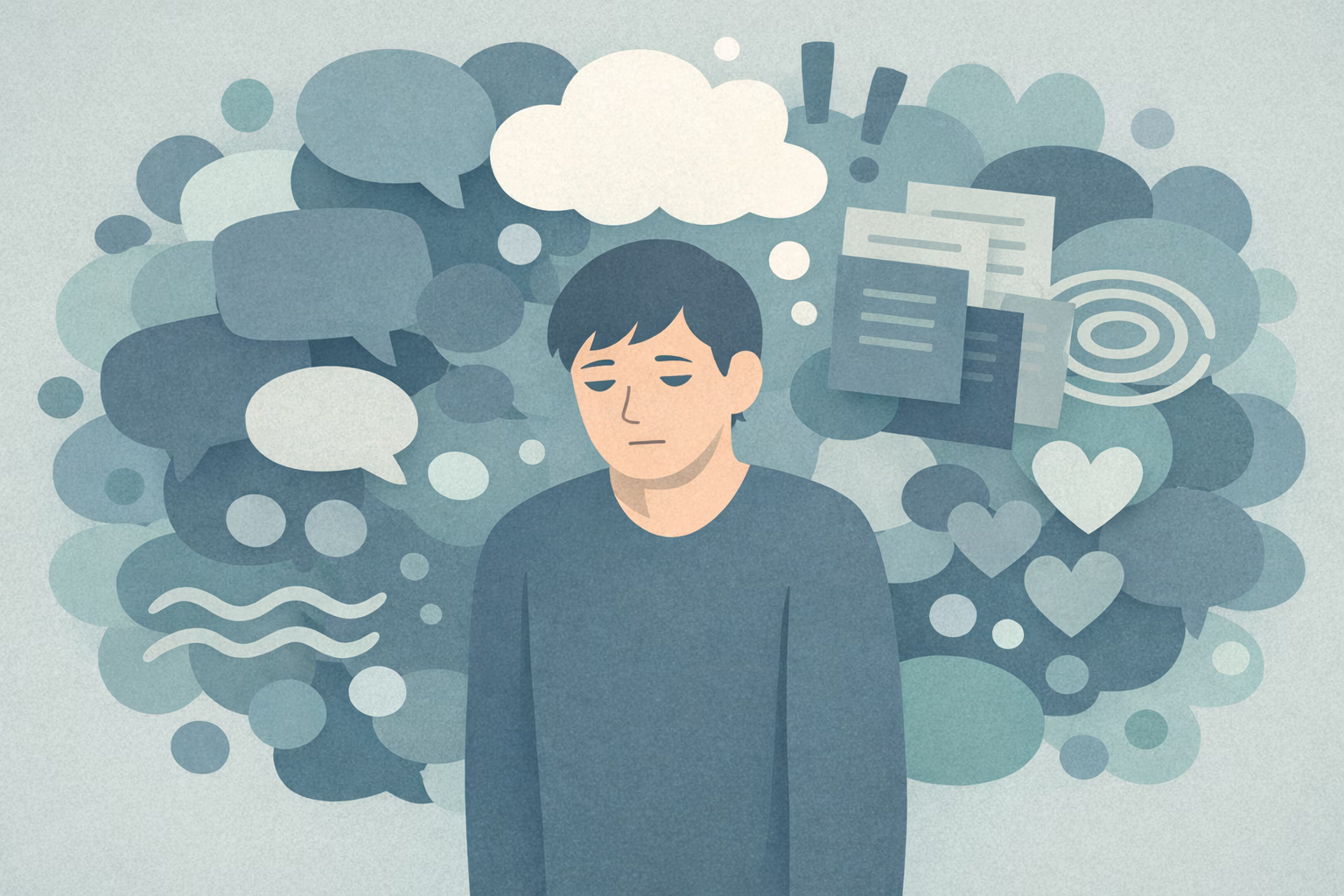
Learn overstimulation symptoms and how to calm your nervous system.
This is "Post-Excess Evenness." After the Reward & Pursuit system has been pushed to its limit, it often enters a forced period of saturation. The resulting calm isn't a sign of boredom, but a structural necessity. Your nervous system is seeking a "zero-point" to recover from the high-velocity spikes. By naming this evenness as a healthy recovery state, you allow the system to reset without the interference of new cravings.
It is the start of balance. In the model, evenness follows saturation because the system can no longer process "intensity." While it feels like a relief, it is a fragile state. To maintain it, you must respect the "even" signal by not immediately seeking a new high. This allows the evenness to transition from a state of "exhausted saturation" into a state of "restorative regulation."
One Quiet Window, one insight, one reflection — every Sunday