

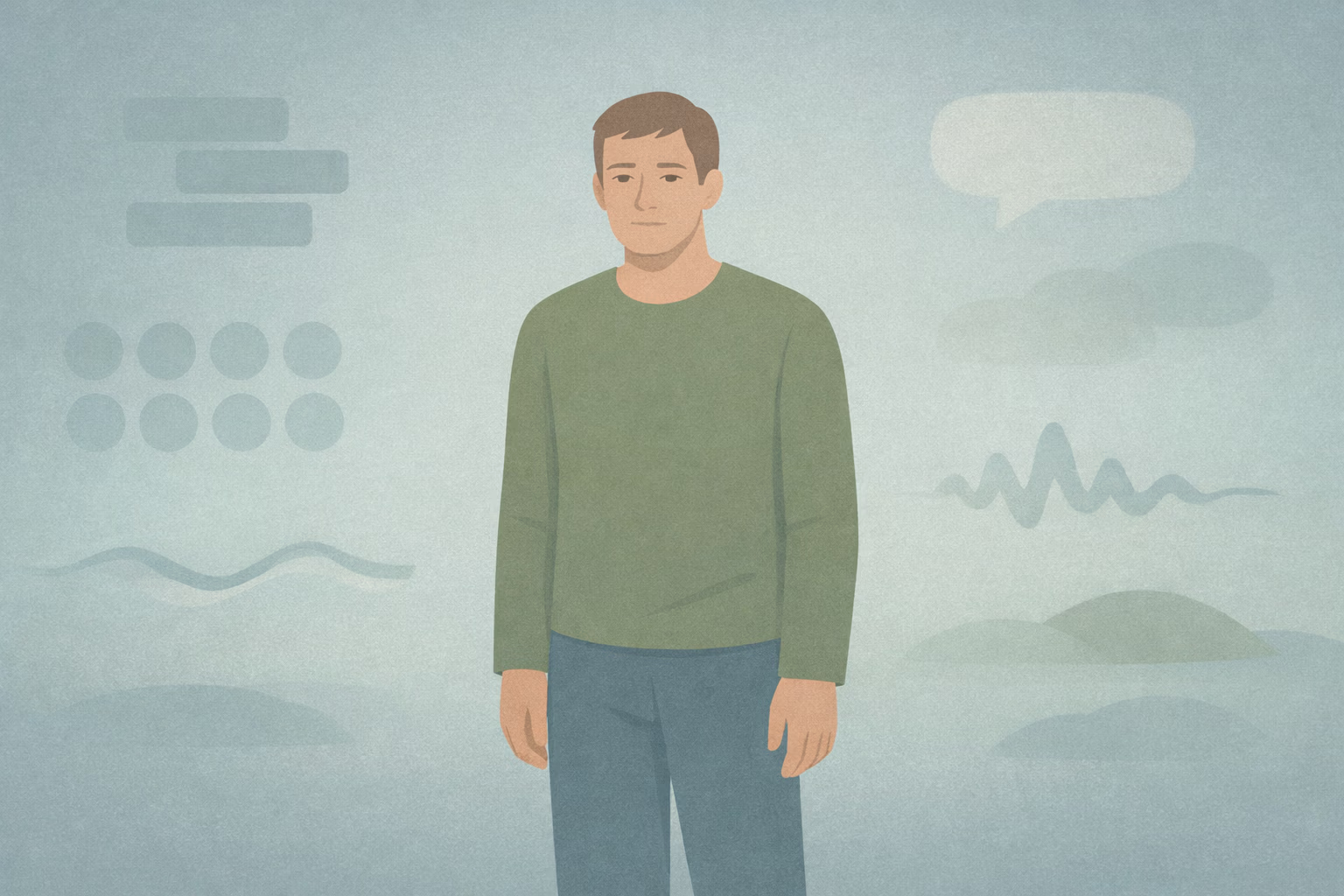
Why Silence Feels Unbearable
Learn why silence feels uncomfortable after constant stimulation and how to rebuild tolerance.
In context: This “content hunger“ is a symptom of a Reward & Pursuit system that has been trained on low-density, high-velocity triggers. Your brain has become accustomed to a constant stream of input to feel “occupied.“ Reducing this hunger isn't about willpower; it's about restoring your “stillness tolerance.

This quiet does not need content.
Nothing must appear to make it worthwhile.
The canvas holds texture without images, depth without story.
Let attention rest on what is already present.
Hunger for content fades when quiet proves stable.
The nervous system relearns that absence is not loss.
Reduce content hunger with DojoWell.
Explore DojowellArticles exploring the psychology behind these patterns.
Learn why silence feels uncomfortable after constant stimulation and how to rebuild tolerance.
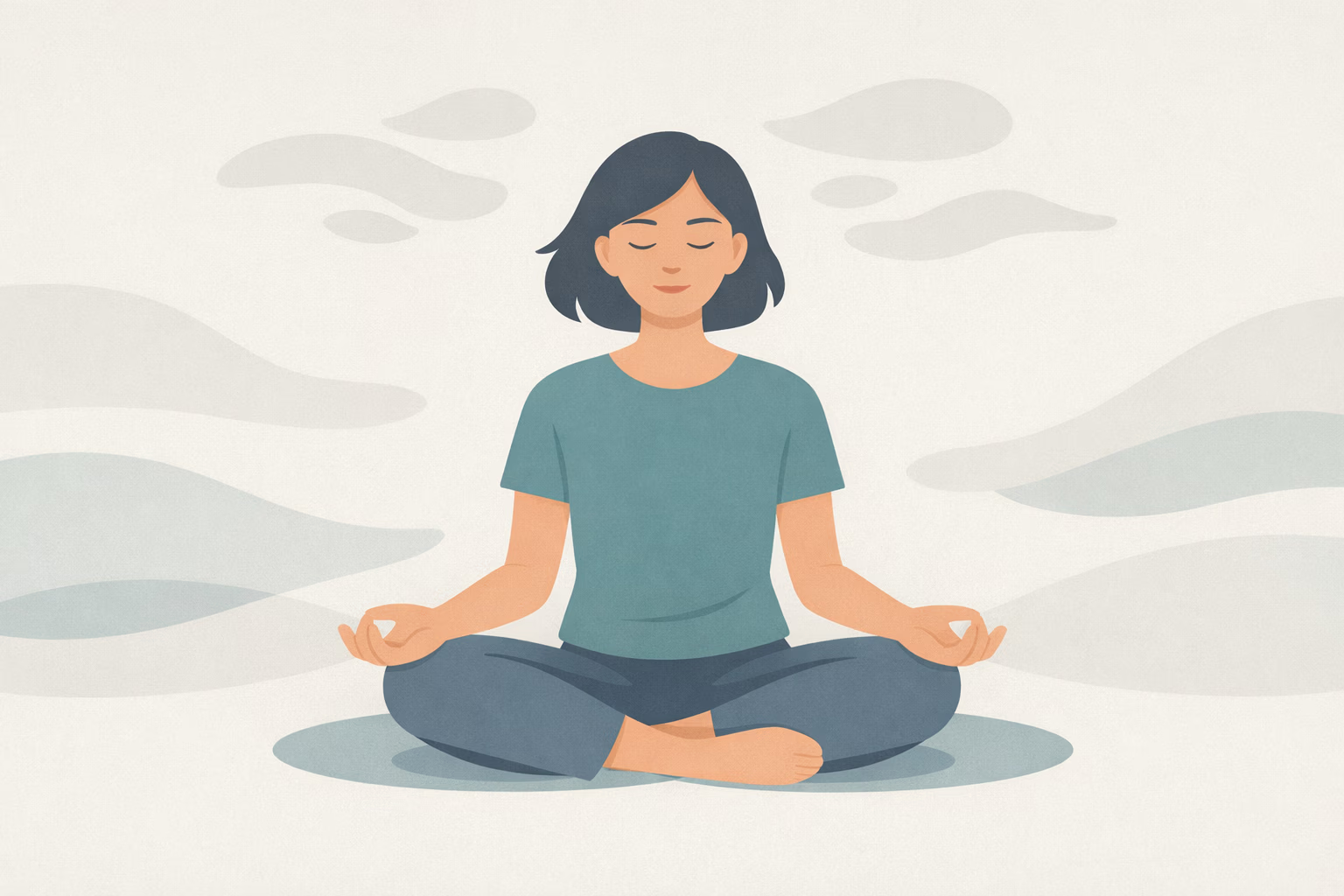
Explore how to find inner stillness despite mental noise.
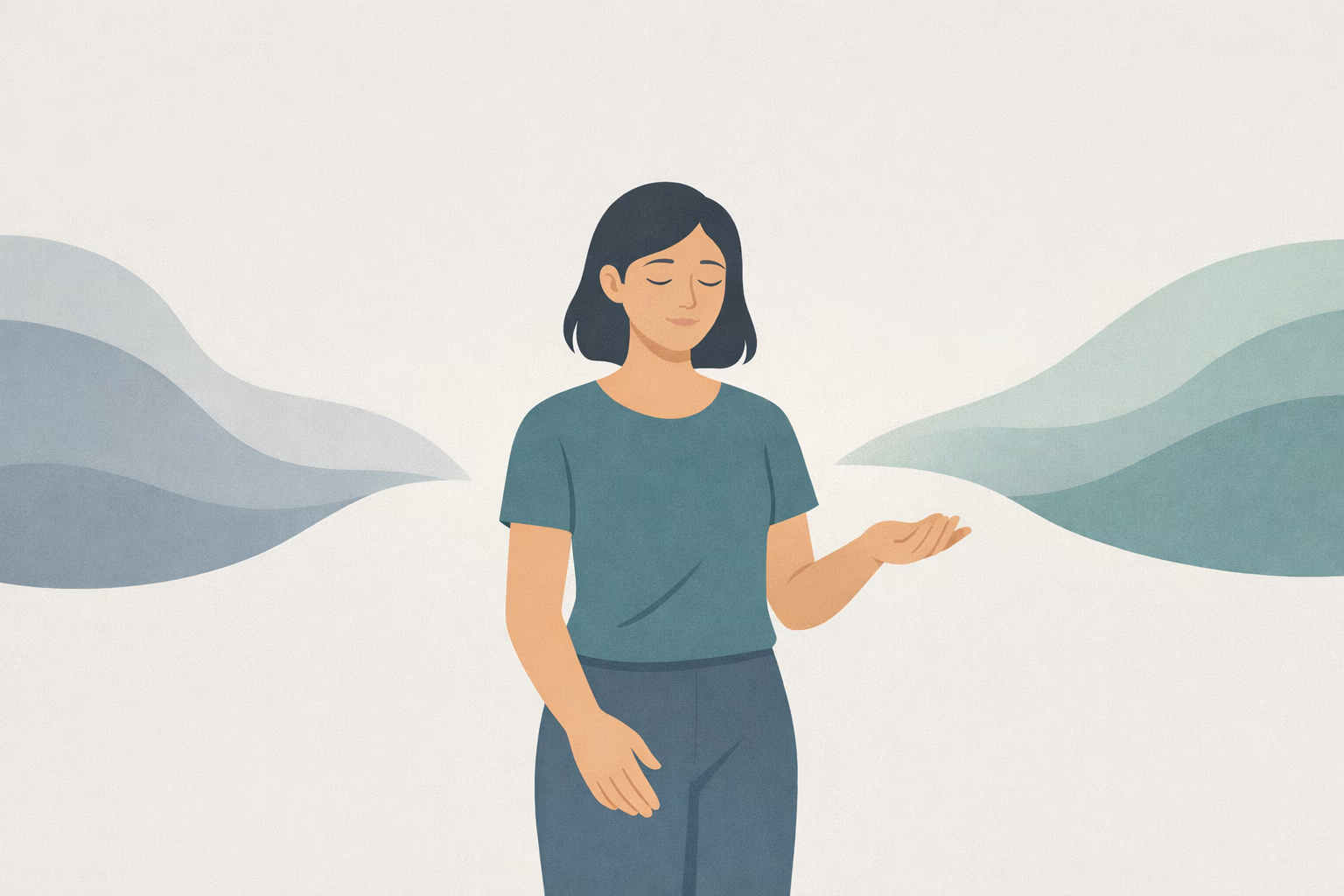
Discover the “freedom gap” where conscious choice lives.
This "content hunger" is a symptom of a Reward & Pursuit system that has been trained on low-density, high-velocity triggers. Your brain has become accustomed to a constant stream of input to feel "occupied." Reducing this hunger isn't about willpower; it’s about restoring your "stillness tolerance." By intentionally limiting content, you allow your attentional balance to return, moving from a state of frantic consumption to a state of calm, centered awareness.
When your tolerance for stillness is high, you are no longer at the mercy of every notification or headline. This restores your "attentional sovereignty." You gain the ability to stay with a single task or thought without the nagging urge to "check" something else. This structural stability reduces the background hum of anxiety and allows you to experience your life with much greater depth and clarity of mind.
One Quiet Window, one insight, one reflection — every Sunday