

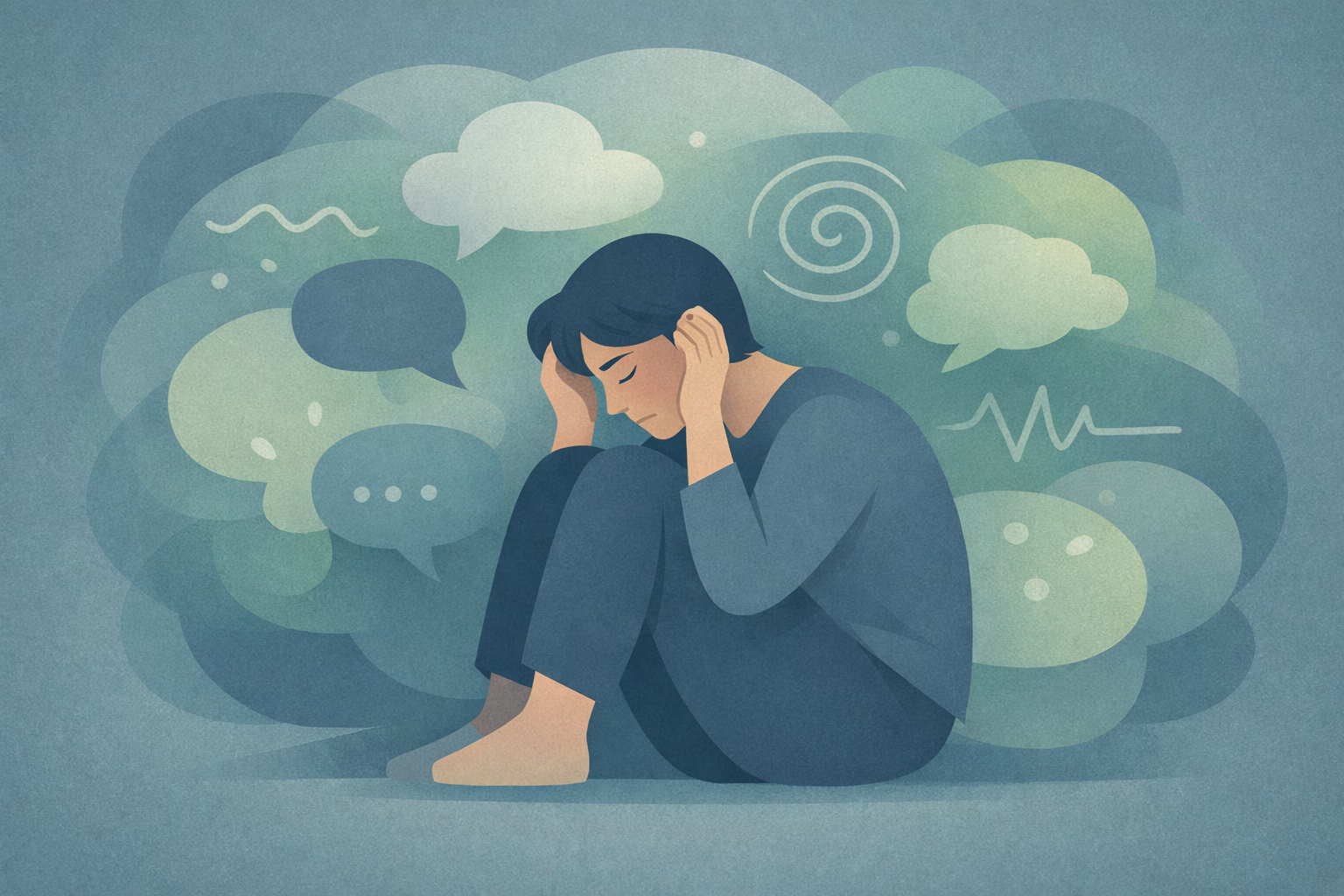
Emotional Numbness & Disconnection
Discover why emotional numbness happens and how your nervous system protects you by shutting down under chronic stress.
In context: This lingering quiet is often “learned safety.“ Your nervous system has adapted to a high-trigger environment by lowering its sensitivity to prevent overload. In DojoWell terms, your systems have learned that “not feeling“ is the most efficient way to maintain control. It isn't a malfunction; it is a protective strategy.

This quiet did not arrive by accident.
It learned how to stay when everything felt too much.
It learned by protecting you from overwhelm, from flooding, from endless reaction.
The horizon faded so you could rest.
There is wisdom in this pause, even if it feels empty now.
Nothing needs to be rushed.
Let the fog lift on its own time.
The system that learned to shut down can also learn to reopen— slowly, safely, without force.
Understand adaptive shutdown and how to reopen gently with DojoWell.
Explore DojowellArticles exploring the psychology behind these patterns.
Discover why emotional numbness happens and how your nervous system protects you by shutting down under chronic stress.
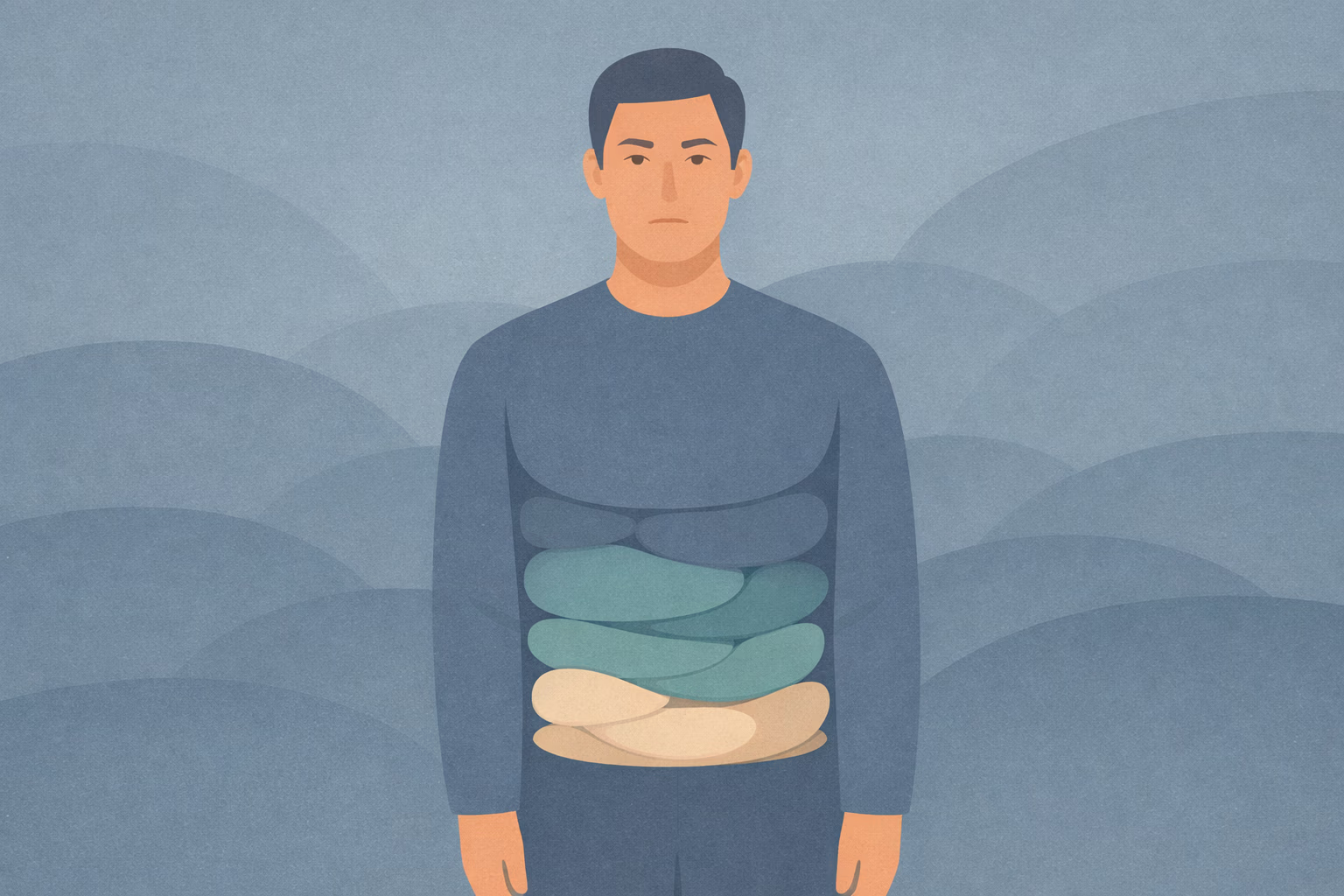
Understand how emotional compression overloads your system.
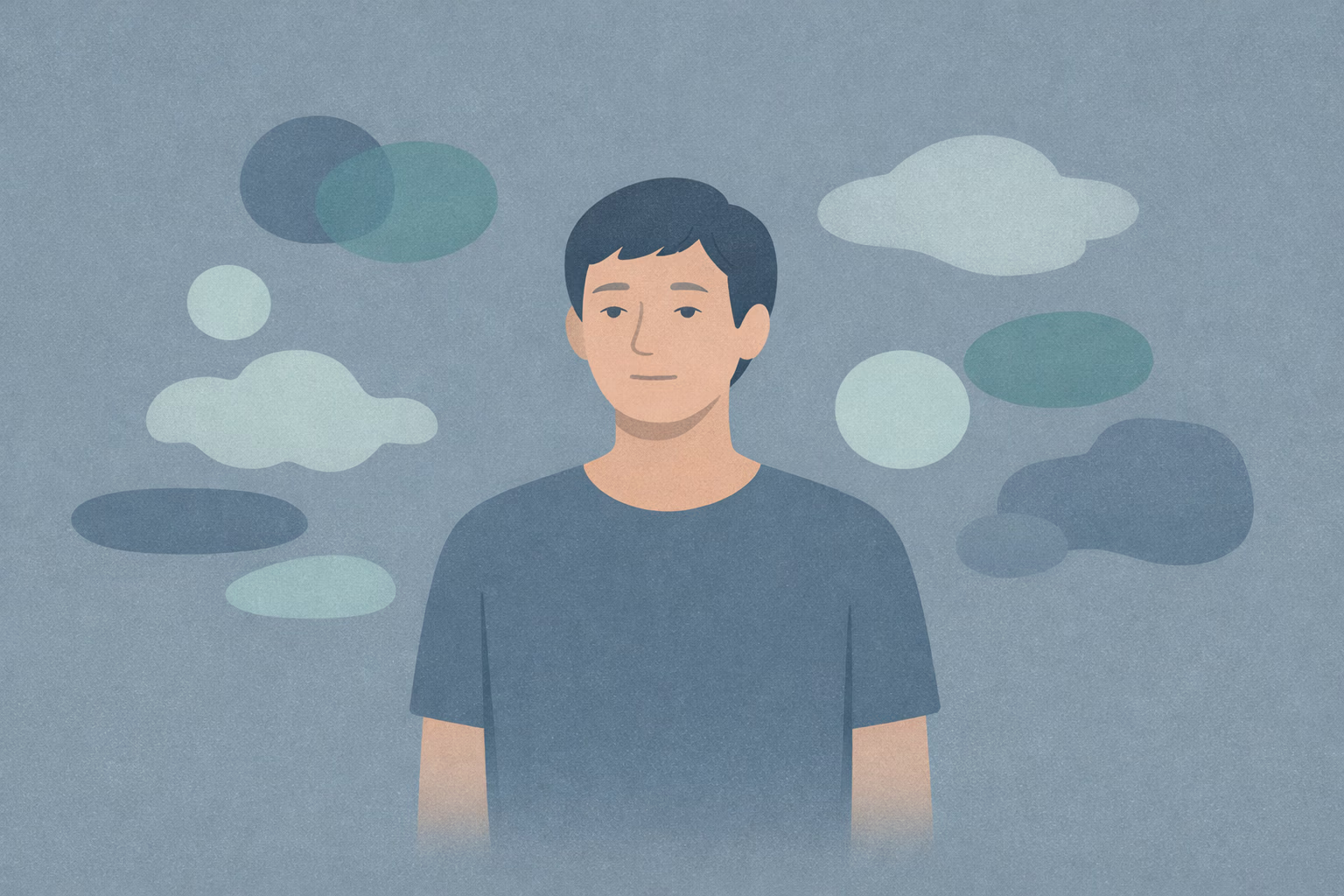
Explore how to practice mindfulness without suppressing emotions.
This lingering quiet is often "learned safety." Your nervous system has adapted to a high-trigger environment by lowering its sensitivity to prevent overload. In DojoWell terms, your systems have learned that "not feeling" is the most efficient way to maintain control. It isn't a malfunction; it is a protective strategy. The quiet stays because the system hasn't yet received enough structural signals of sustained completion to justify "turning the lights back on" and risking another overwhelm.
No. The model views shutdown as adaptive rather than pathological. It is your body’s way of managing a "meaning deficit" or loop overload. Instead of fighting the quiet, DojoWell suggests recognizing it as a period of low-power mode. By accepting the quiet as a form of safety, you stop the "Threat Loop" of worrying about your numbness. This shift from panic to observation is the first step in moving from a state of shutdown to a state of regulation.
One Quiet Window, one insight, one reflection — every Sunday