

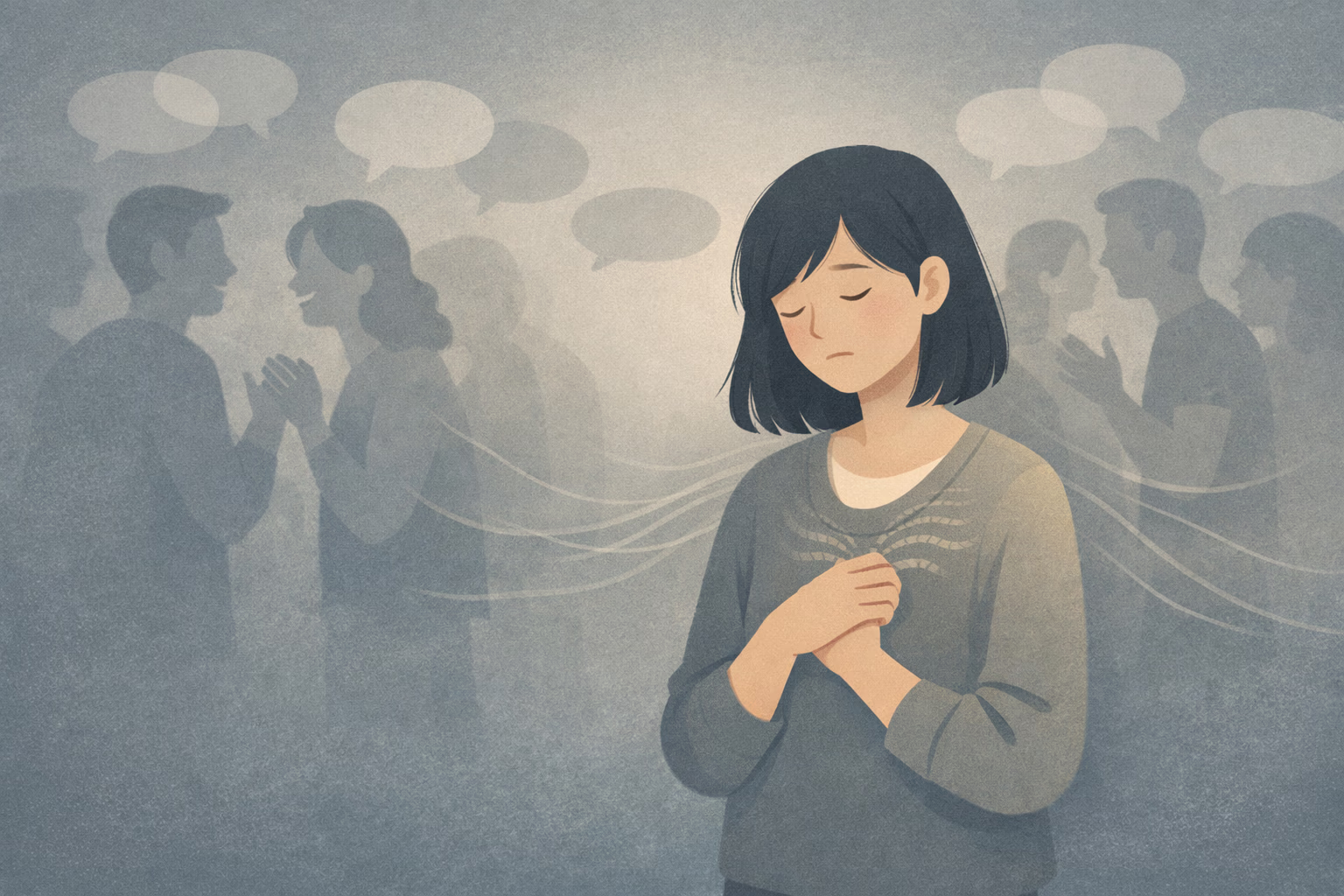
Relationship Drain: Why Some People Exhaust You
Understand why certain relationships drain you and how to protect your emotional energy.
In context: Absolutely. This is the “safety of shared space.“ In the Meaning Density Model™, we normalize presence without obligation. This removes the Status & Control pressure to perform or “earn“ your place in the room. When you decide that existing in the same space is a complete “loop“ in itself, your nervous system can finally settle.
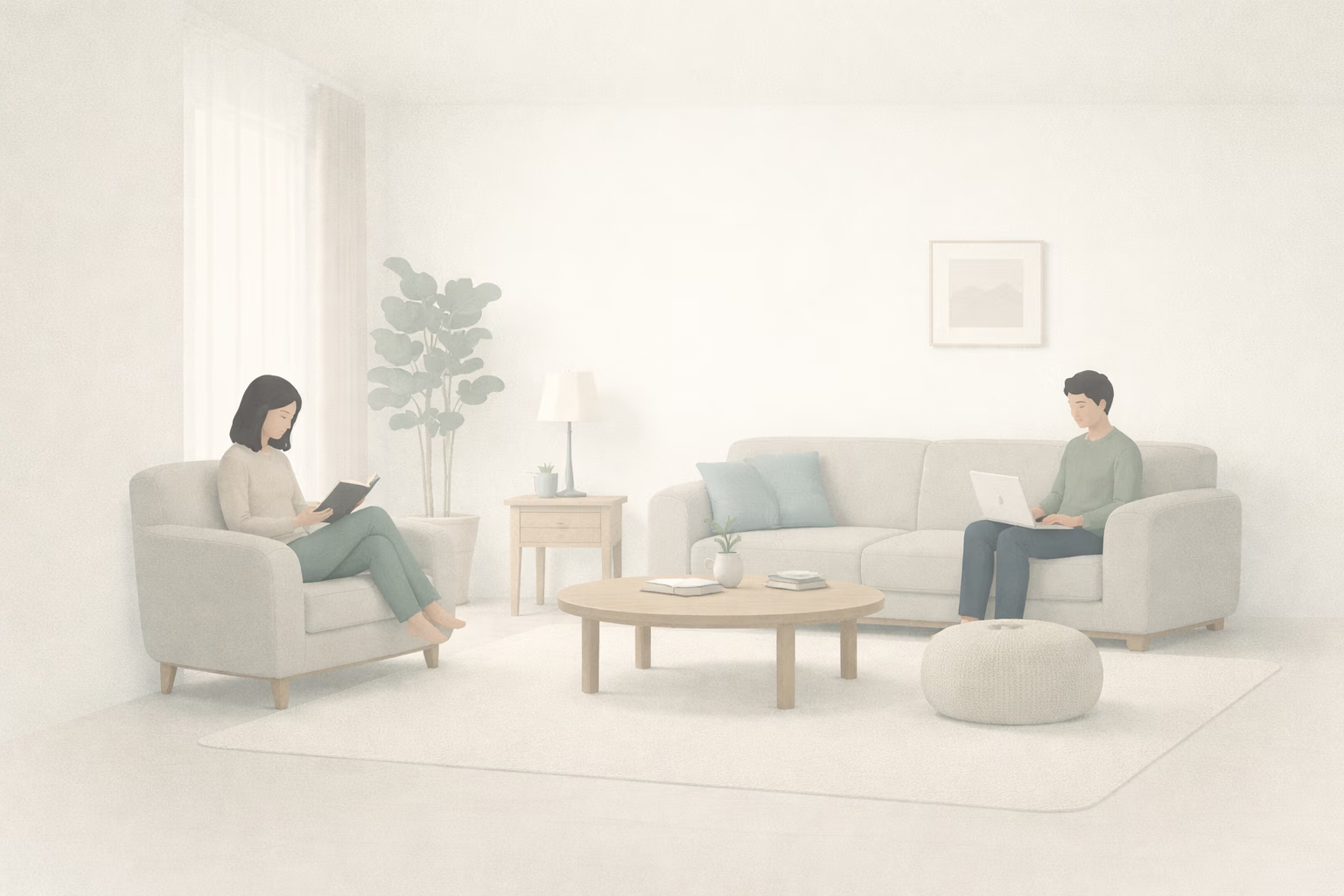
Shared space holds many presences at once.
No one needs to synchronize or perform.
You sense how safety can arise simply from being nearby, each person occupying their own place.
The room carries enough distance to breathe, enough closeness to register company.
Recognize co-presence with DojoWell.
Explore DojowellArticles exploring the psychology behind these patterns.
Understand why certain relationships drain you and how to protect your emotional energy.
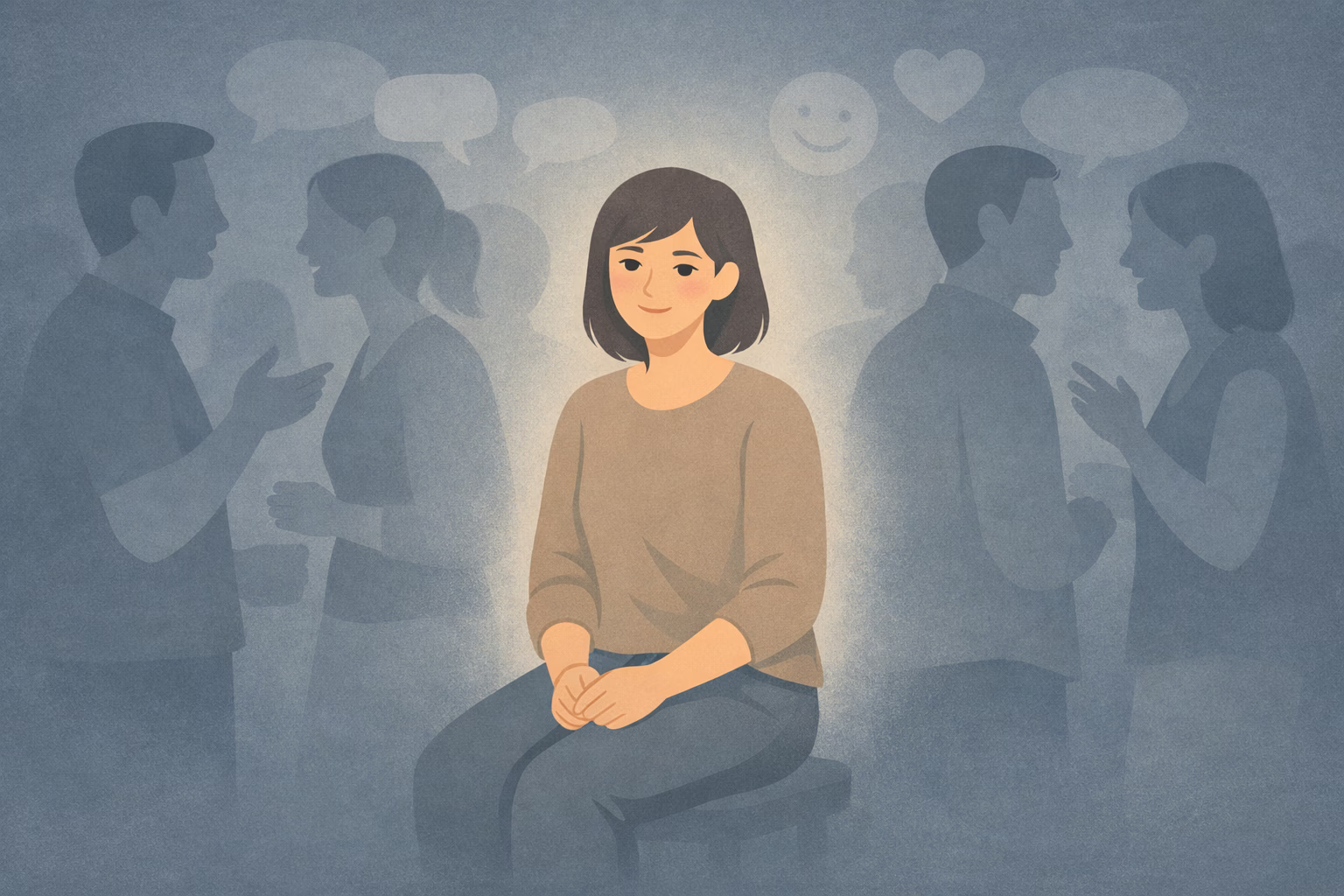
Explore why superficial relationships drain you and how depth fuels emotional safety.
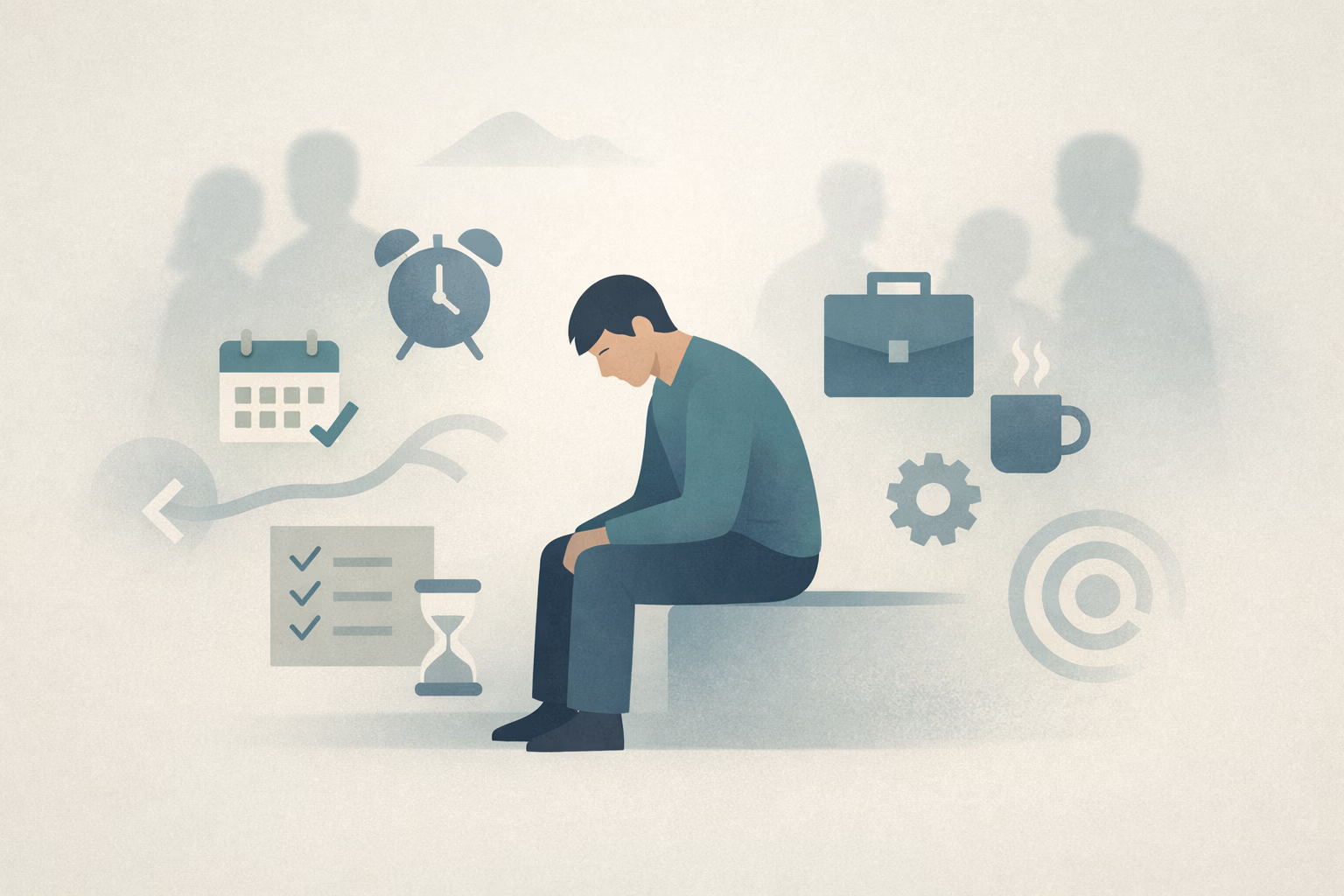
Learn how to reconnect with yourself and rebuild inner trust.
Absolutely. This is the "safety of shared space." In the Meaning Density Model™, we normalize presence without obligation. This removes the Status & Control pressure to perform or "earn" your place in the room. When you decide that existing in the same space is a complete "loop" in itself, your nervous system can finally settle. This creates a baseline of "ambient safety" where companionship is restorative rather than a series of tasks.
That guilt is a signal from the Reward & Pursuit system, which has been trained to equate "closeness" with "active engagement." By naming this as a "social performance loop," you can choose to close it. Normalizing non-obligatory space allows the nervous system to co-regulate with others without the metabolic cost of interaction. This builds a more durable connection based on simple, shared existence rather than constant, high-velocity social exchange.
One Quiet Window, one insight, one reflection — every Sunday