

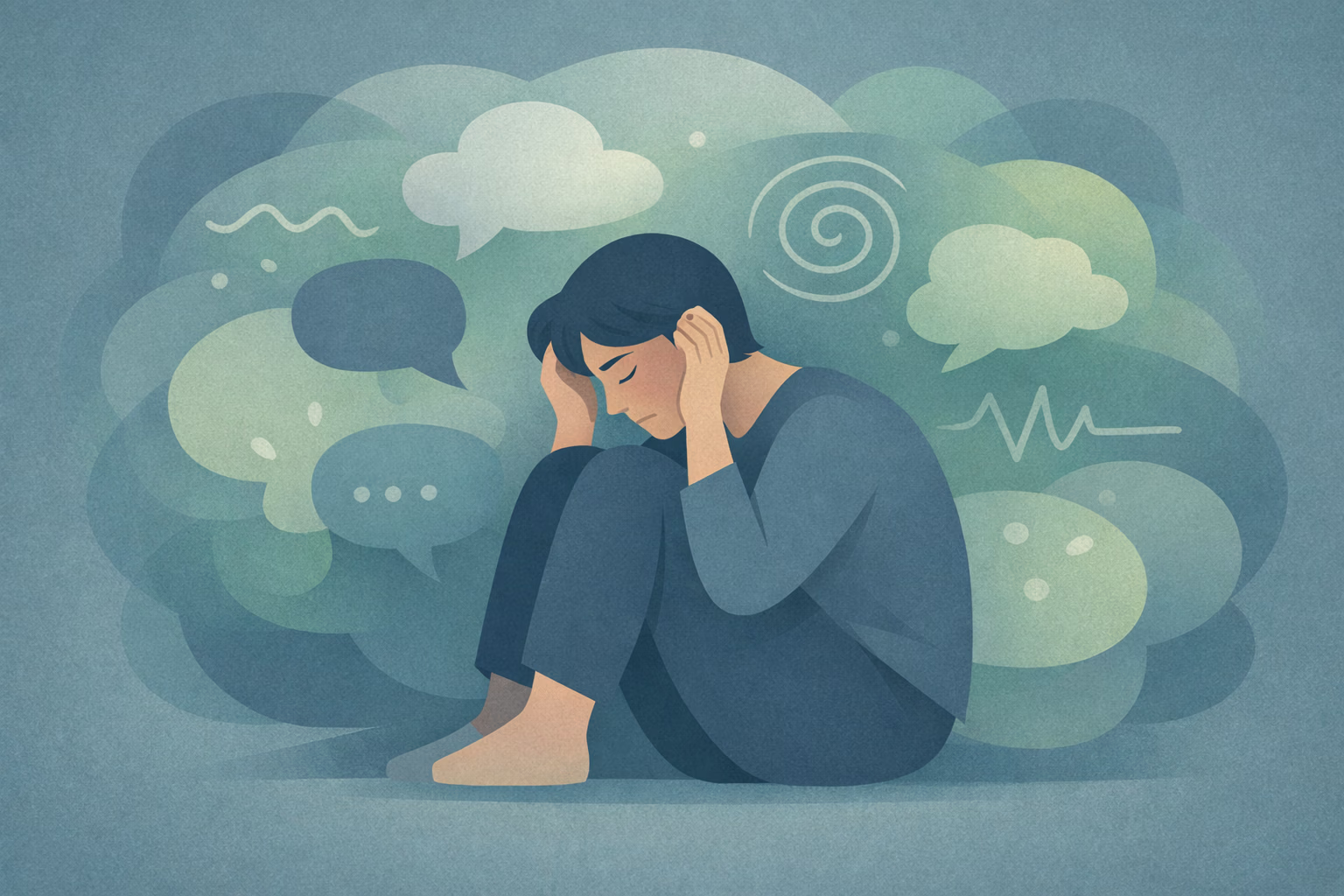
Emotional Numbness & Disconnection
Discover why emotional numbness happens and how your nervous system protects you by shutting down under chronic stress.
In context: No, this is “Chronic Alertness.“ Over time, your system can normalize a state of high vigilance so effectively that you forget what true rest feels like. In the Meaning Density Model™, this is an architectural setting, not a personality trait. Recognizing your vigilance “without judgment“ is key.
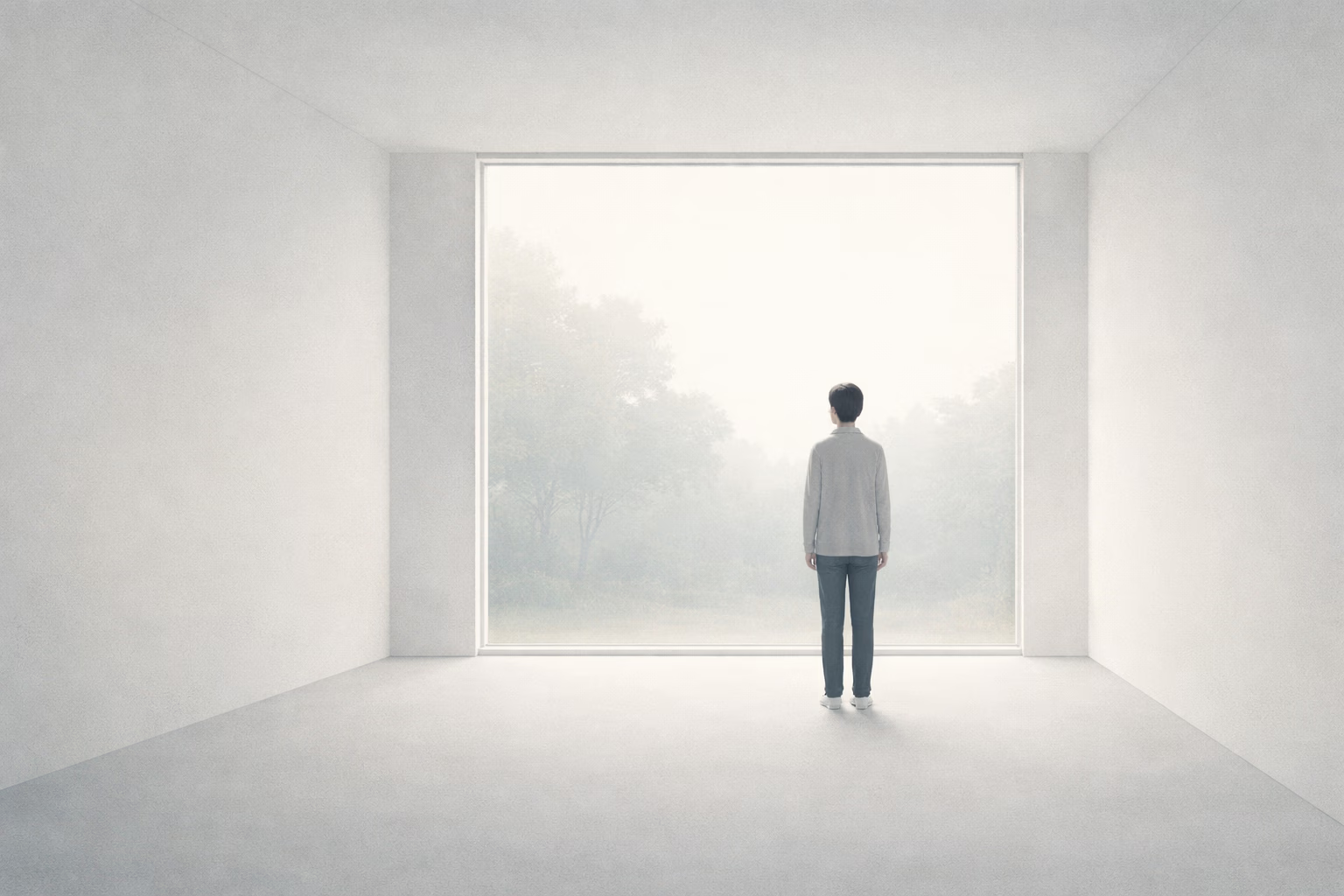
There is a sense of always being on alert.
Muscles stay ready.
Attention stays forward.
This vigilance is familiar, even if it is tiring.
Recognizing it does not require changing it.
It requires accuracy.
You are not anxious by nature.
Your system learned to stay ready.
Naming vigilance brings clarity without asking it to disappear immediately.
Recognize vigilance gently with DojoWell.
Explore DojowellArticles exploring the psychology behind these patterns.
Discover why emotional numbness happens and how your nervous system protects you by shutting down under chronic stress.
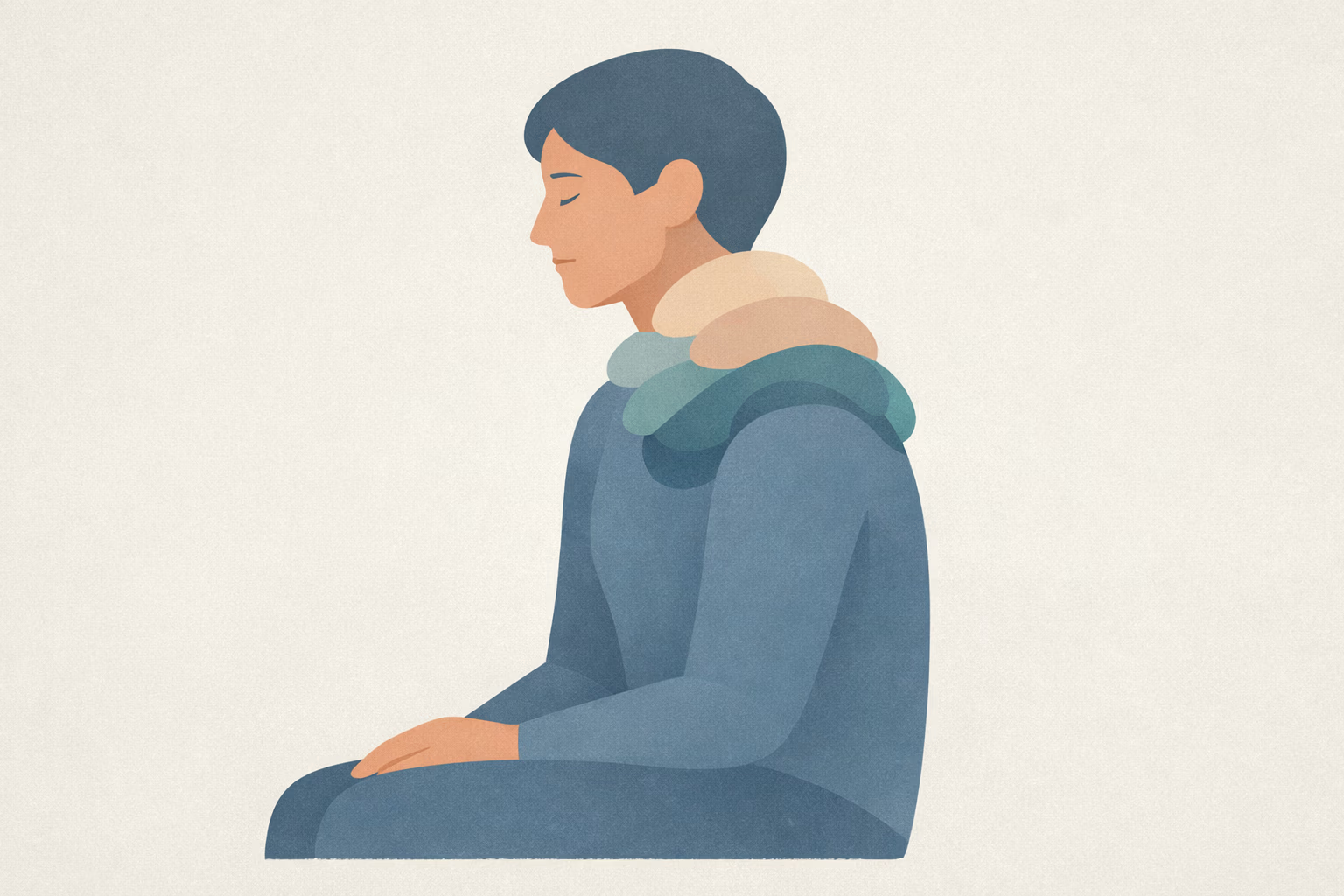
Learn how emotional tension is stored in the body and how to release it.
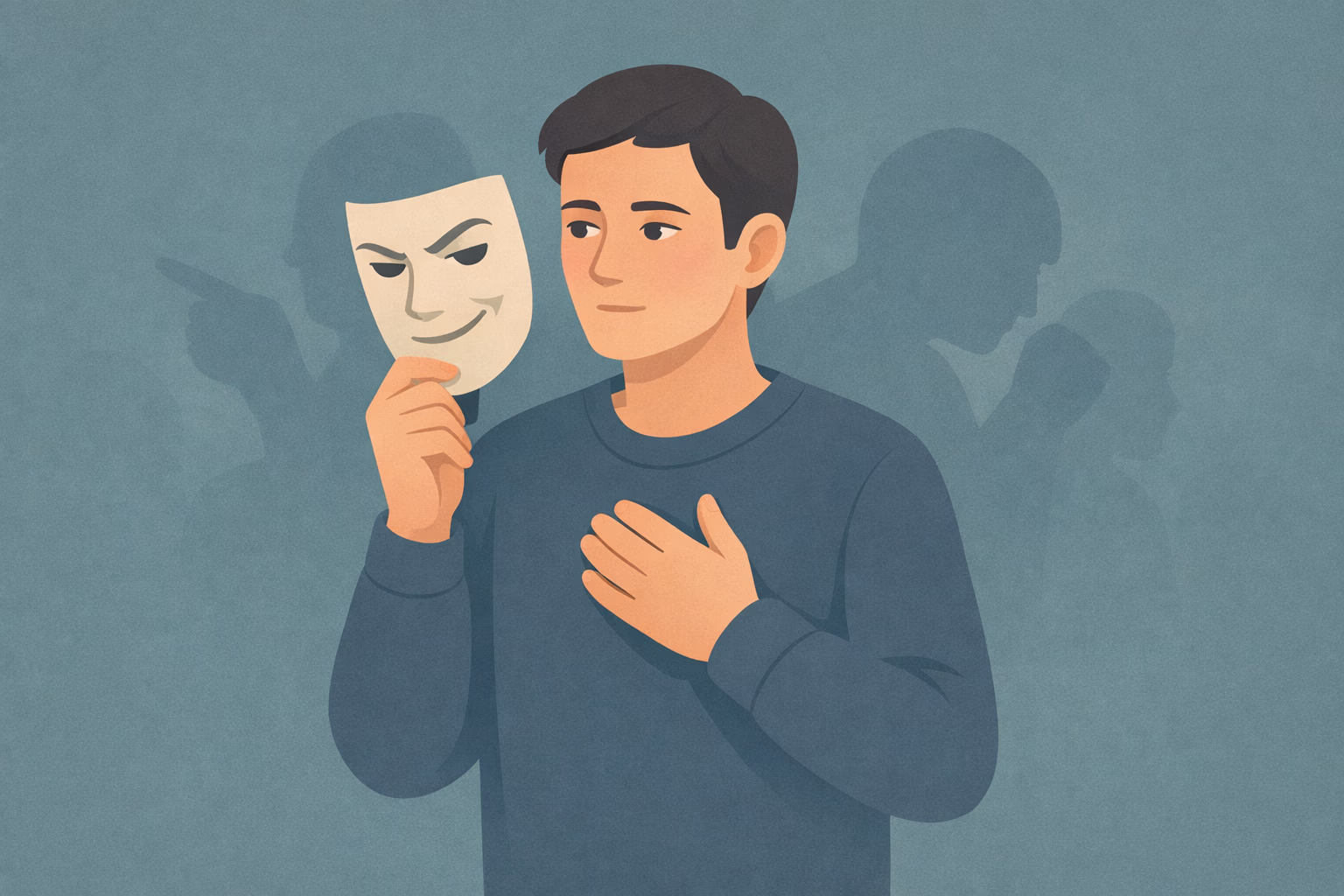
Understand why self-righteousness often hides insecurity and emotional fear.
No, this is "Chronic Alertness." Over time, your system can normalize a state of high vigilance so effectively that you forget what true rest feels like. In the Meaning Density Model™, this is an architectural setting, not a personality trait. Recognizing your vigilance "without judgment" is key. If you judge yourself for being "tense," you trigger the Status system, which adds a second layer of pressure. Just notice it as a background "hum" of your current system.
You don't "turn it off"; you "taper it down." Start by validating the alertness: "My system is staying on guard to protect me." This appreciation satisfies the Safety system, making it less likely to "yell" louder. Then, engage in a "Low-Vigilance Activity"—something that doesn't require scanning, like a repetitive craft or listening to familiar music. This slowly proves to your nervous system that it is safe to lower its guard one notch at a time.
One Quiet Window, one insight, one reflection — every Sunday