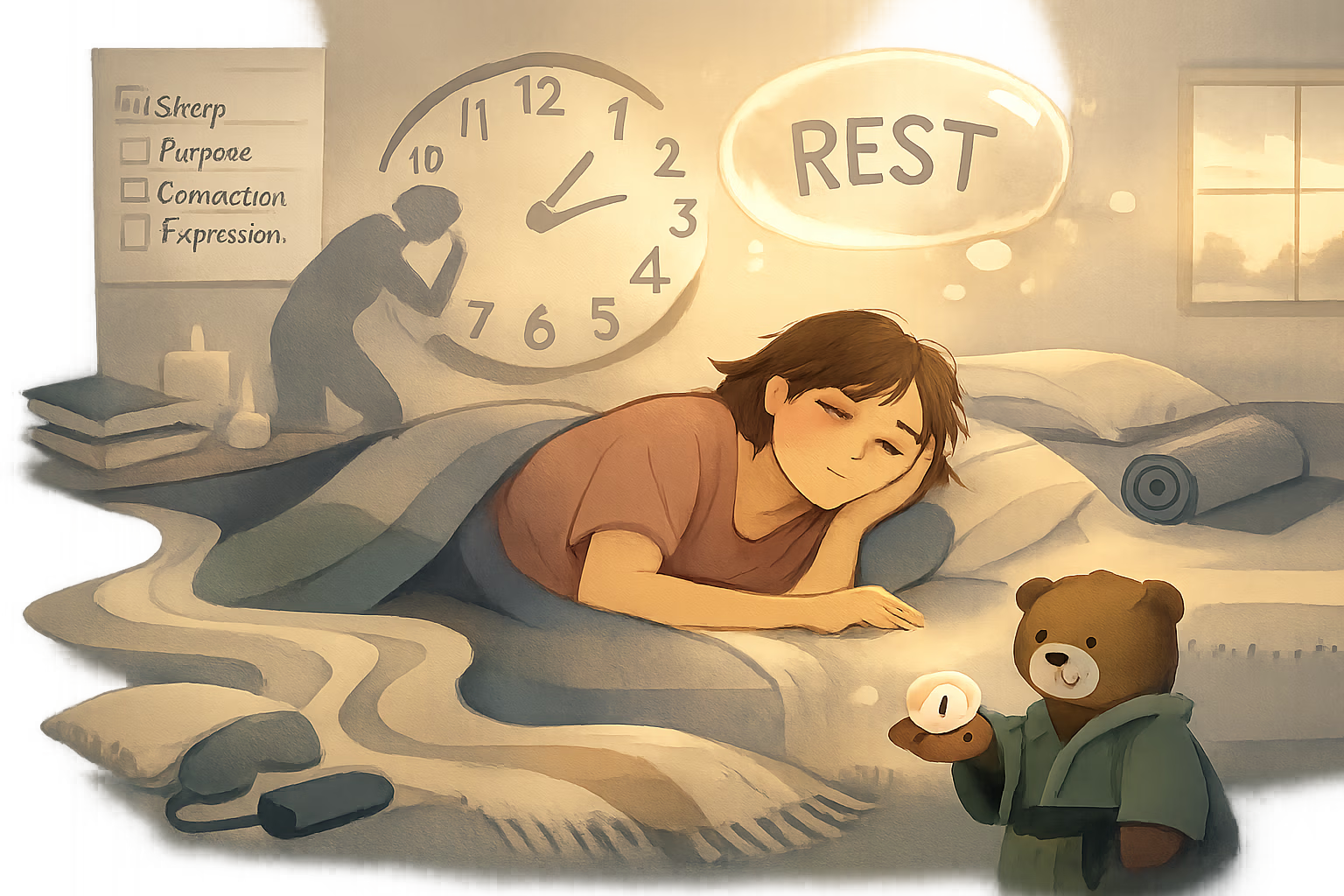


The Paradox of Control
Learn why controlling everything backfires and how internal flexibility reduces suffering.
In context: This is the Safety Logic of Tension. To your nervous system, “relaxing“ is synonymous with “dropping your guard.“ If the environment is perceived as high-threat, the belief that “relaxing is unsafe“ is a correct structural assessment. Naming this belief helps you stop fighting your own survival instincts, allowing you to wait for a truly “low-demand“ environment before attempting to settle.
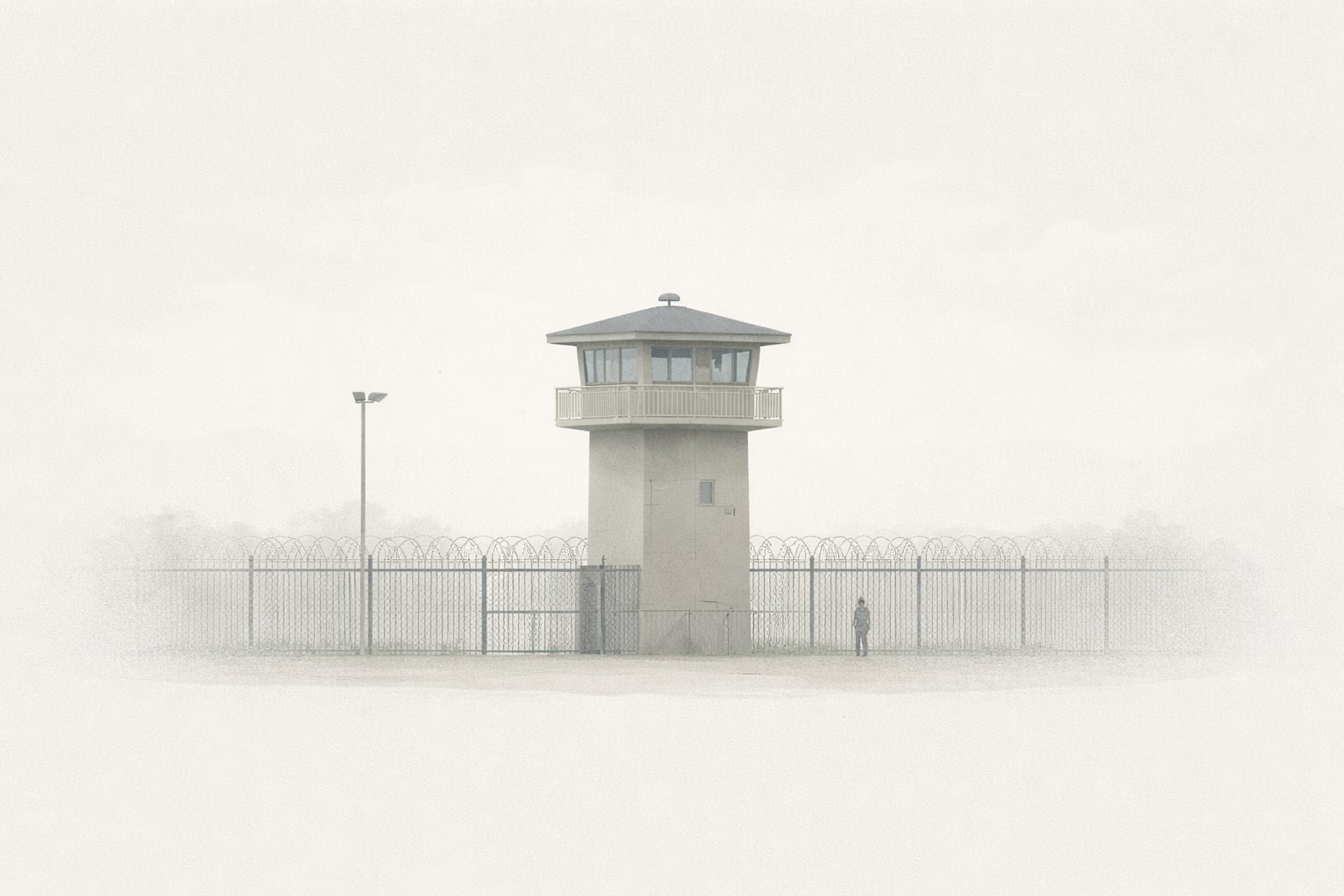
Relaxation signals exposure.
When vigilance drops, something anticipates threat.
You sense how alertness became necessary, how rest feels like leaving the watchtower unmanned.
This moment names that belief without correcting it, allowing the logic of constant readiness to be seen.
Name vigilance beliefs with DojoWell.
Explore DojowellArticles exploring the psychology behind these patterns.
This is the Safety Logic of Tension. To your nervous system, "relaxing" is synonymous with "dropping your guard." If the environment is perceived as high-threat, the belief that "relaxing is unsafe" is a correct structural assessment. Naming this belief helps you stop fighting your own survival instincts, allowing you to wait for a truly "low-demand" environment before attempting to settle.
Only through incremental habituation. In this model, we don't force relaxation; we look for "micro-settlements." By proving to your brain that 30 seconds of "slack" didn't lead to a catastrophe, you build structural evidence. Over time, the Narrative system updates its belief, realizing that coherence can be maintained without constant bracing.
One Quiet Window, one insight, one reflection — every Sunday