

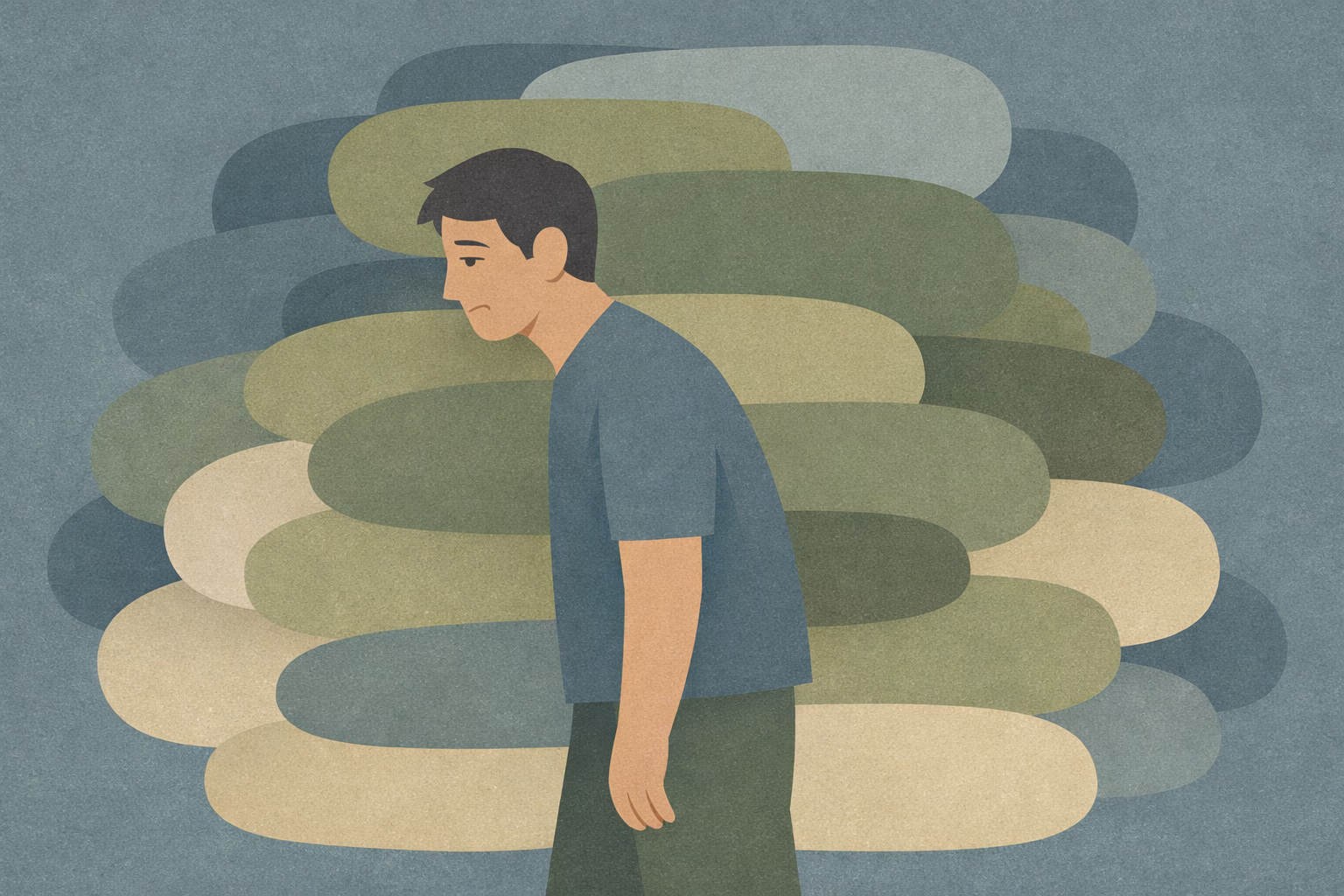
Self-Improvement Overload
Learn why over-improving leads to burnout and how it’s tied to survival-based pressure.
In context: This is the “space between holding and dropping“—a state of suspended engagement. “Holding“ is active effort; “dropping“ is total release. The middle state is “resting within the structure.“ It's like a bridge that stays up because of its design, not because someone is pushing it up.

The object stays balanced without gripping or letting go.
You notice how often control feels binary.
This space shows another option: steady without force.
The body learns that not everything must be held tightly or released fully.
Balance can exist quietly in between.
Explore the middle state with DojoWell.
Explore DojowellArticles exploring the psychology behind these patterns.
Learn why over-improving leads to burnout and how it’s tied to survival-based pressure.
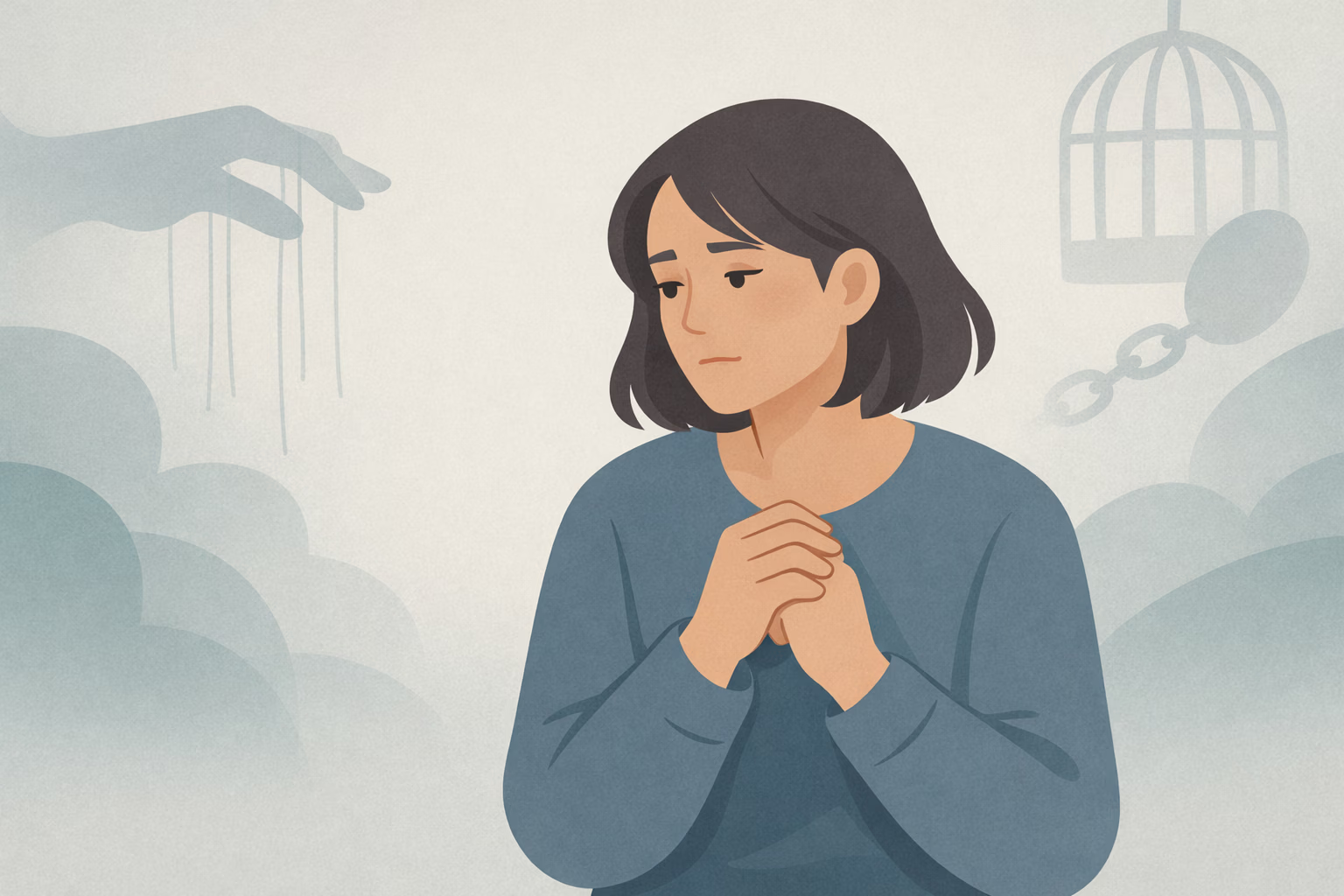
Learn why controlling everything backfires and how internal flexibility reduces suffering.
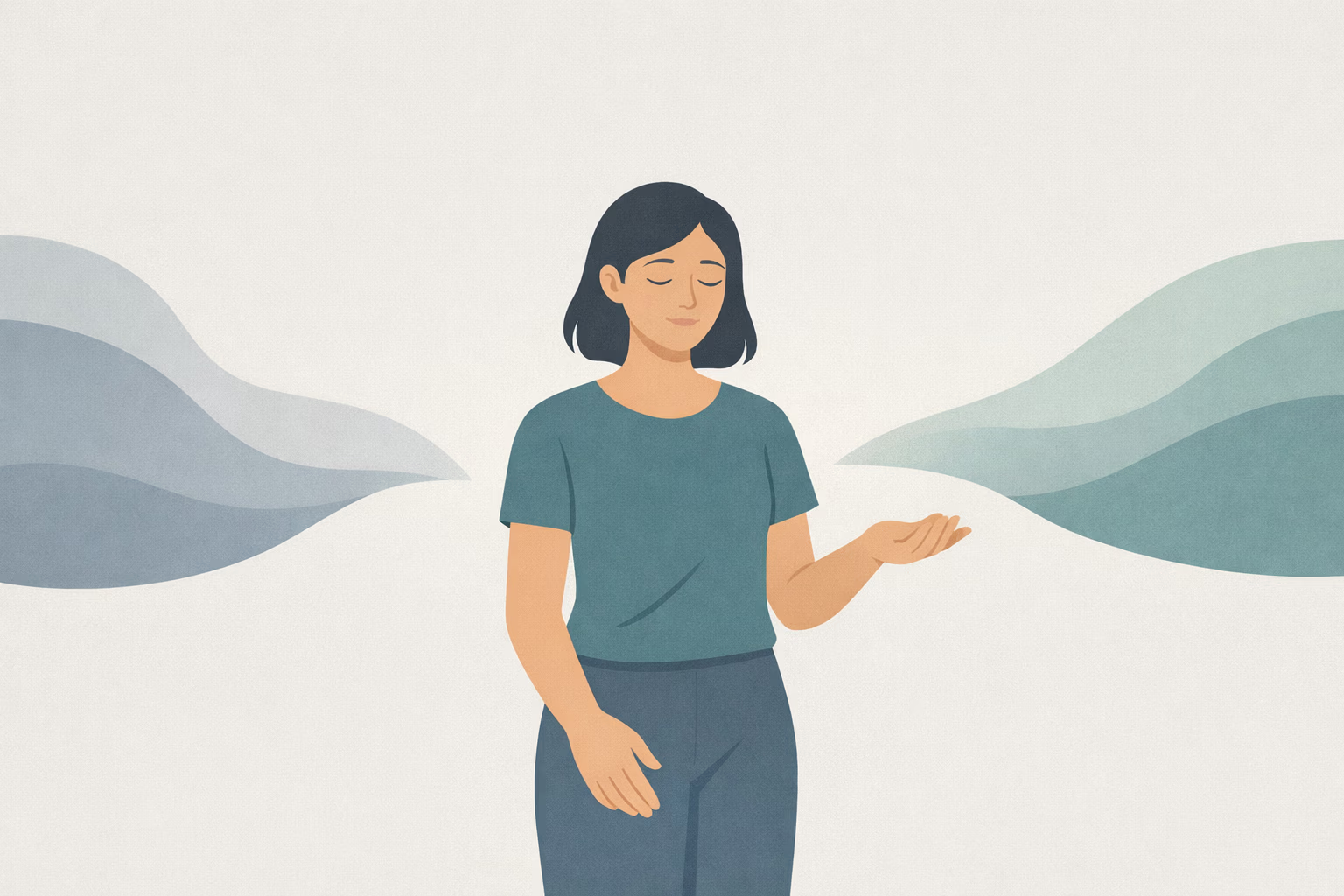
Discover the “freedom gap” where conscious choice lives.
This is the "space between holding and dropping"—a state of suspended engagement. "Holding" is active effort; "dropping" is total release. The middle state is "resting within the structure." It’s like a bridge that stays up because of its design, not because someone is pushing it up. In this model, you maintain your presence without the active "grip" of effort. This is a high-integration state where existence is supported by your previous structural work.
Because it prevents the "rebound effect" of burnout. Most people oscillate between "intense holding" (stress) and "total dropping" (exhaustion). The Meaning Density Model™ introduces the middle state as a sustainable baseline. By learning to "exist without clutching," you maintain your competence and connection while allowing your nervous system to recover. This is the structural foundation for "long-term meaning," where life is lived from a place of steady, quiet capacity.
One Quiet Window, one insight, one reflection — every Sunday