

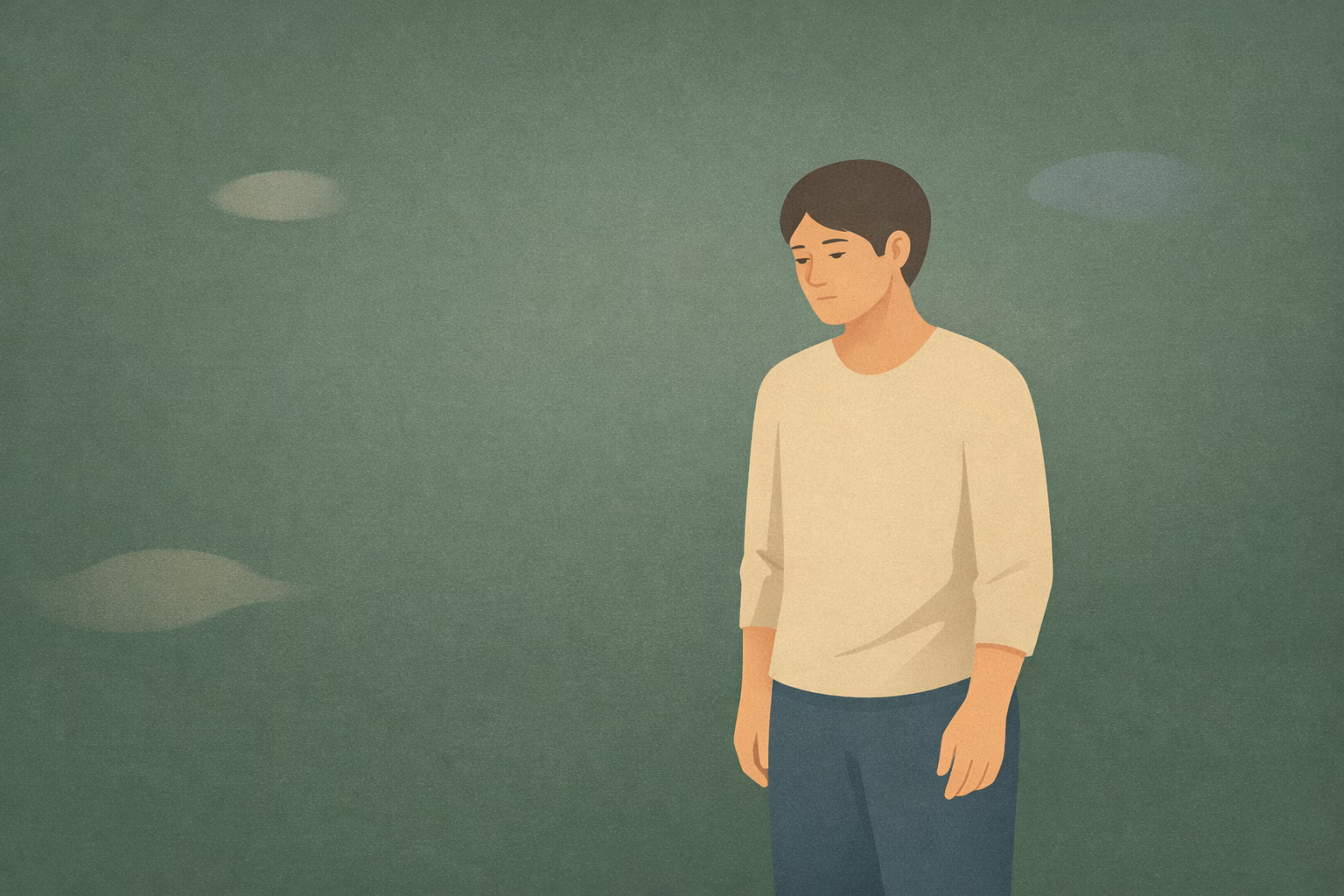
Fear of Silence & Stillness Discomfort
Learn why silence feels threatening in an overstimulated world and how your nervous system relearns calm.
In context: These are “Auditory Gaps.“ Just as your eyes need white space to read, your nervous system needs “acoustic space“ to process information. These gaps allow the Narrative system to file away the last sound before the next one begins. In a world of constant “background noise,“ these gaps are often lost.
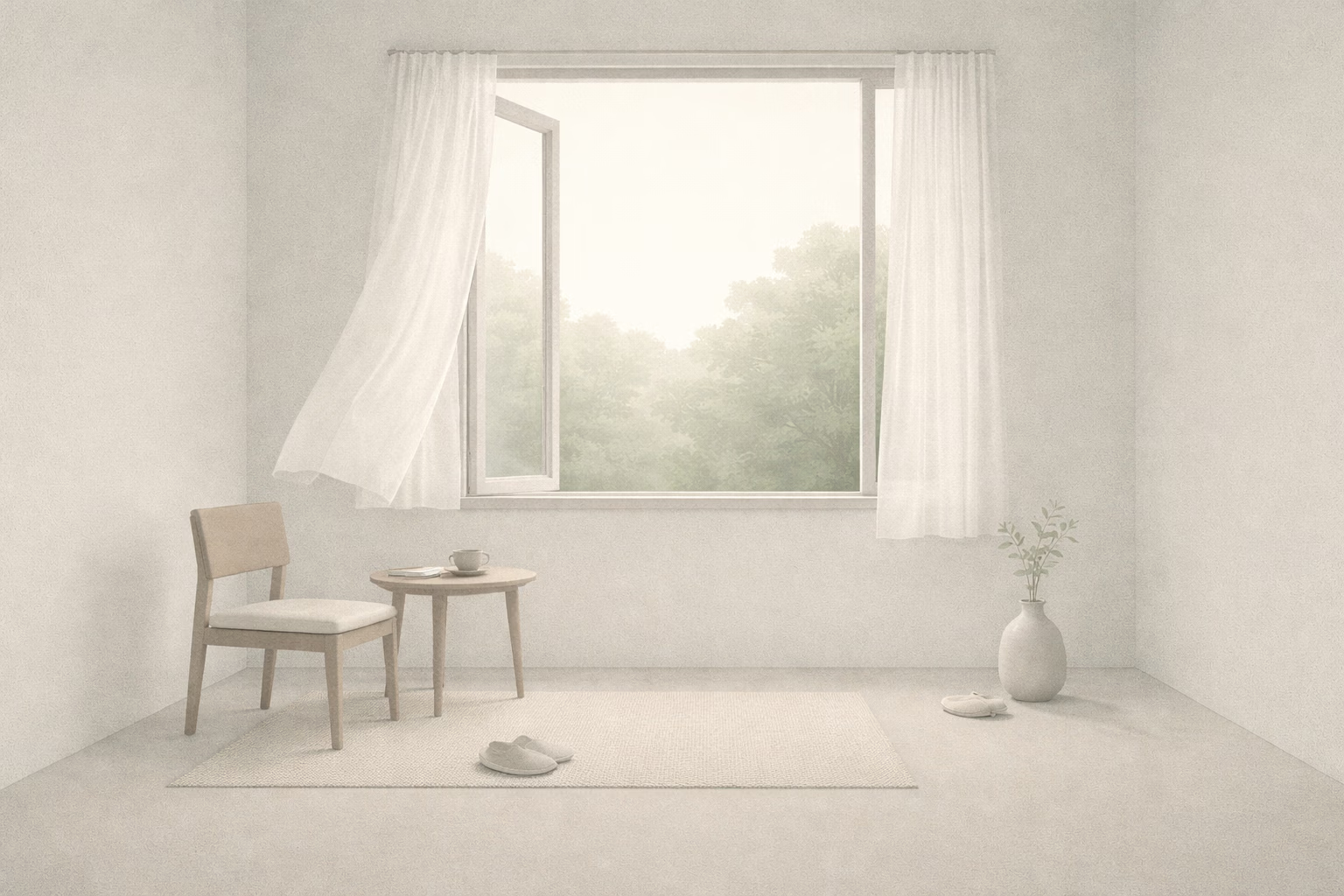
There is space between sounds.
Silence holds without pressure.
Each sound appears and fades without overlap.
These gaps give the system room to reset.
Let the pauses remain empty.
Introduce auditory space with DojoWell.
Explore DojowellArticles exploring the psychology behind these patterns.
Learn why silence feels threatening in an overstimulated world and how your nervous system relearns calm.
Explore how to find inner stillness despite mental noise.
Learn how to increase emotional tolerance safely.
These are "Auditory Gaps." Just as your eyes need white space to read, your nervous system needs "acoustic space" to process information. These gaps allow the Narrative system to file away the last sound before the next one begins. In a world of constant "background noise," these gaps are often lost. Reclaiming them allows your brain to rest and prevents the "loop stacking" that occurs when information arrives too fast to be integrated.
Practice "active listening to the silence." Between the tracks of a song, or the sentences of a conversation, notice the brief moment of nothingness. This "interstimulus interval" is where your nervous system resets its pacing. By placing your attention on the gaps rather than the signals, you lower your overall "loop velocity," signaling to your Threat system that you are in a safe, non-urgent environment.
One Quiet Window, one insight, one reflection — every Sunday