Self-Optimization as Existential Avoidance
Understand why optimizing everything hides deeper fear.
In context: This is Stillness as a Perceived Threat. For a nervous system used to “high-velocity“ survival, stillness feels like “stagnation“ or “being a sitting duck.“ In this model, we name this stillness-anxiety to validate your experience. Your system is scanning for the “missing signal“ of activity.

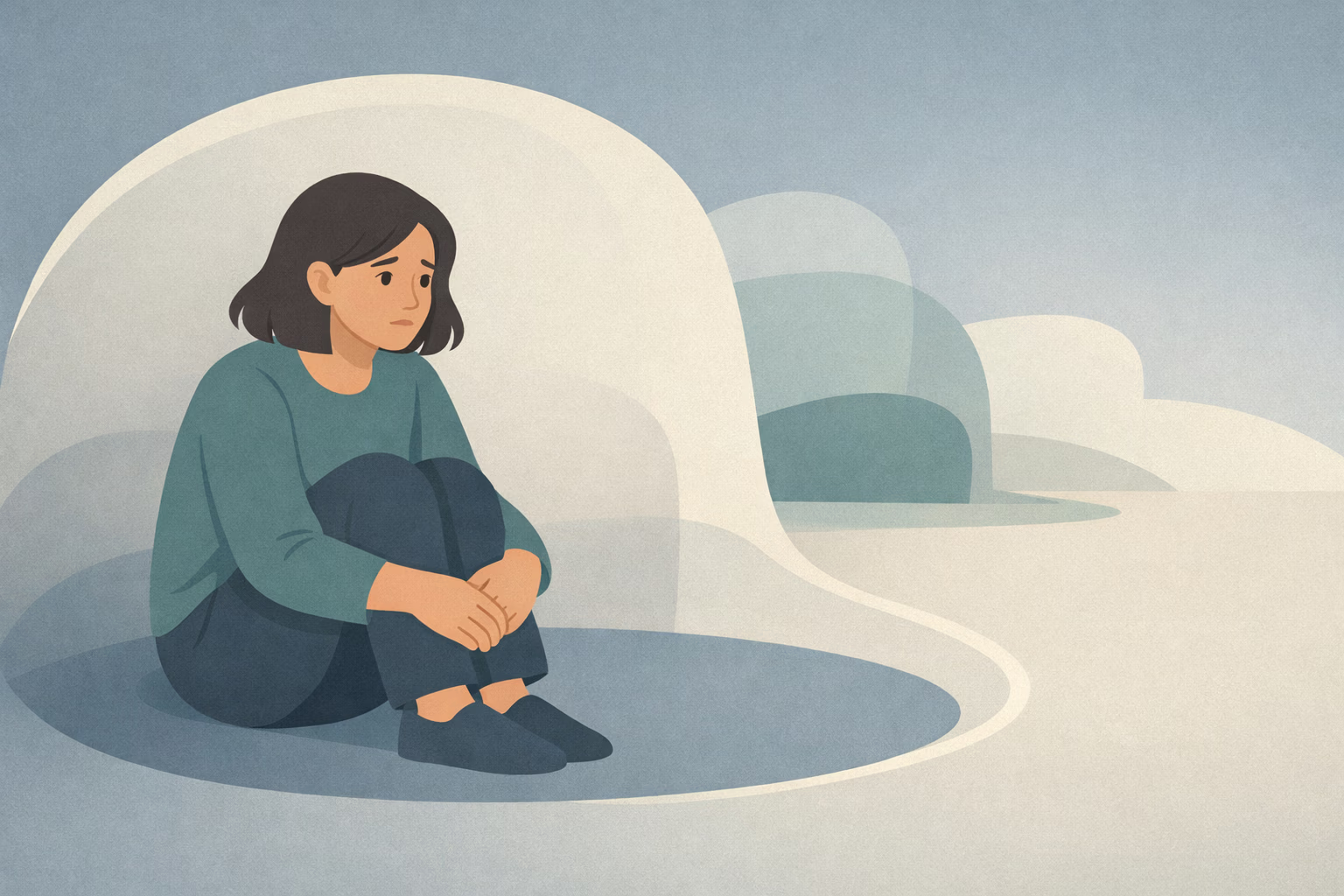
Stillness does not feel neutral.
It feels exposed, as if danger waits beneath quiet.
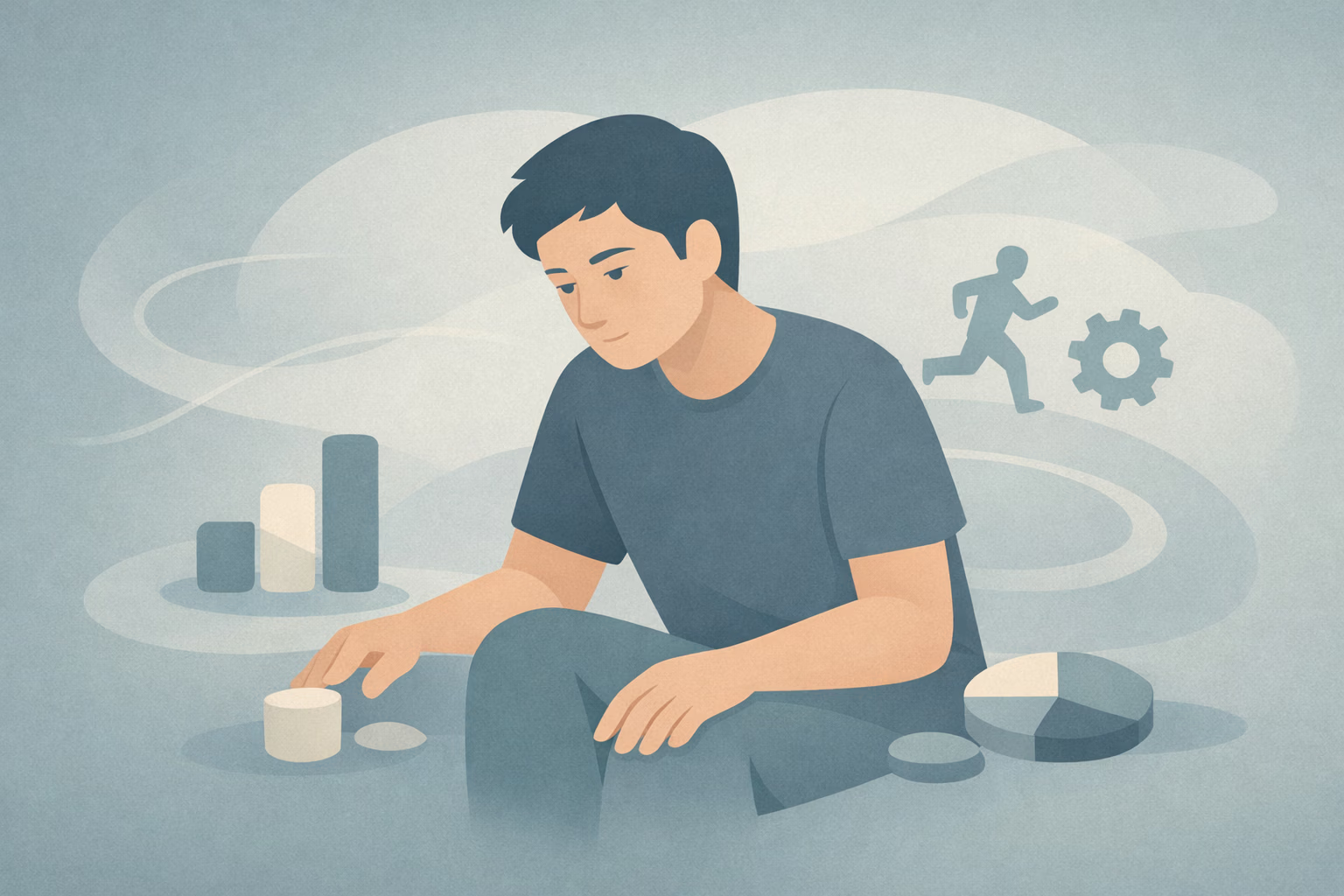
You notice how movement keeps you safe, how pausing invites uncertainty.
The surface looks calm, but your system remembers depth.
This moment names stillness as something learned to be risky, not restful.
Recognize stillness threat with DojoWell.
Explore DojowellArticles exploring the psychology behind these patterns.
This is Stillness as a Perceived Threat. For a nervous system used to "high-velocity" survival, stillness feels like "stagnation" or "being a sitting duck." In this model, we name this stillness-anxiety to validate your experience. Your system is scanning for the "missing signal" of activity. Naming it as a perceived threat helps you realize that you aren't actually in danger; your system is simply "suspicious" of the quiet.
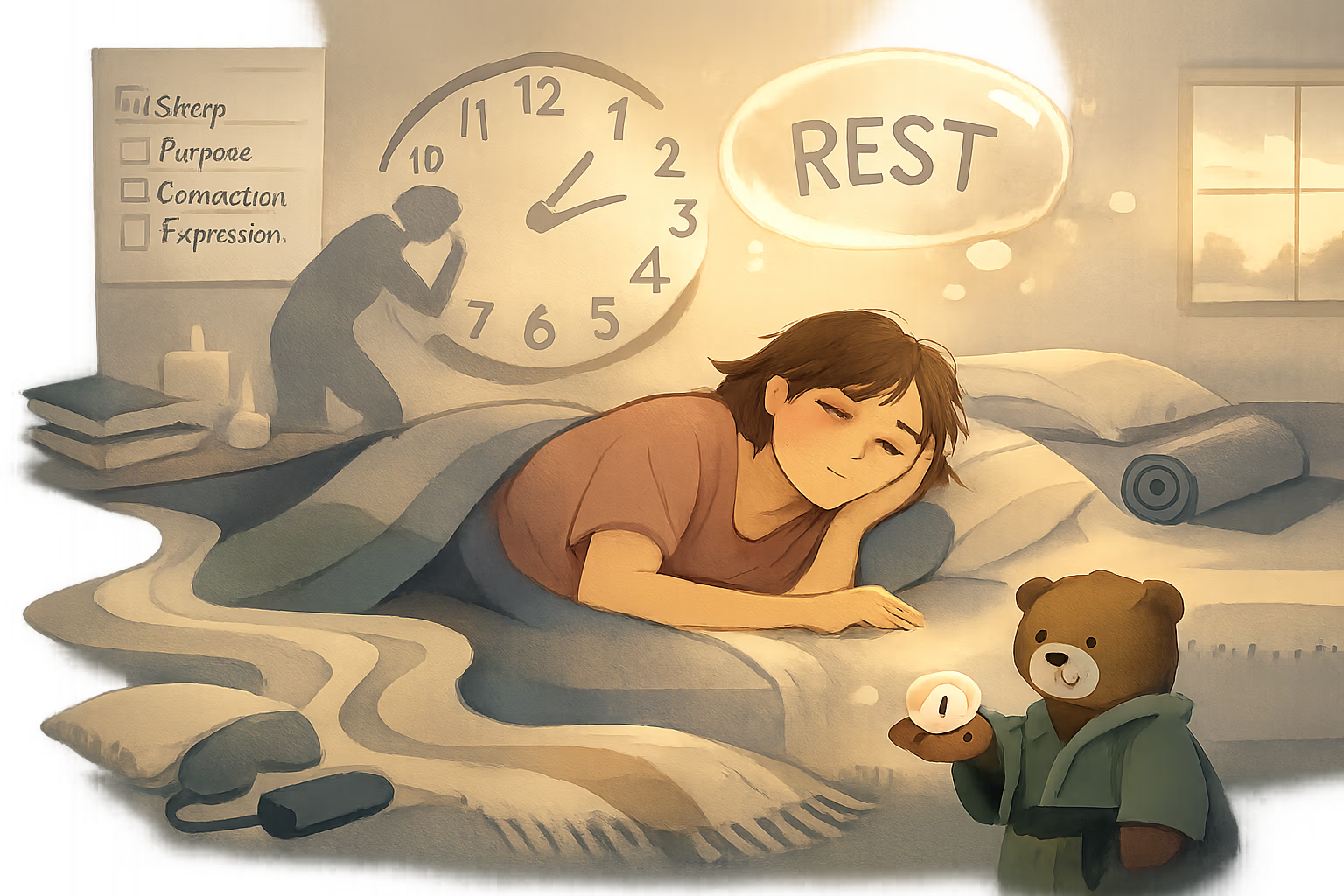
You "habituate to the hush." Don't aim for long periods of meditation. Instead, practice "micro-stillness"—five seconds of doing nothing while anchored to a physical "done" signal like the weight of your hands. By proving to your Threat system that nothing bad happens in those five seconds, you build the evidence required to eventually find stillness restorative rather than alarming.
One Quiet Window, one insight, one reflection — every Sunday