


Avoidant Distancing & Ghosting Patterns
Understand why avoidant people pull away digitally.
In context: This is the “push-pull“ pattern of a system trying to regulate its own integration capacity. The “push“ is the Reward system seeking connection; the “pull“ is the Threat system sensing an incoming overwhelm. In the Meaning Density Model™, this isn't a “fear of intimacy,“ but a “management of load.
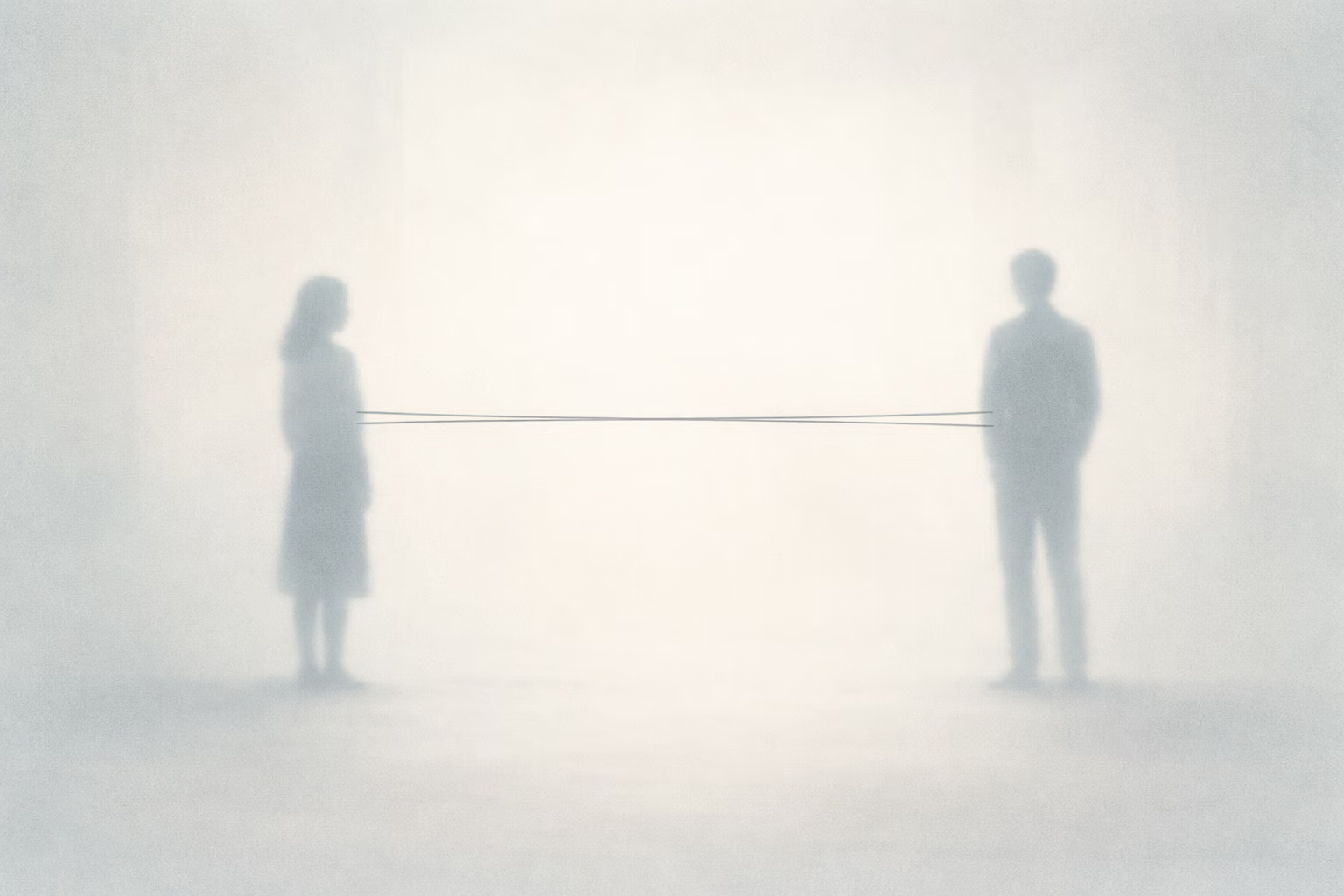
Wanting and withdrawing happen almost together.
As soon as you reach, something tightens.
As soon as you pull back, something longs.
This movement does not mean indecision.
It reflects a system balancing desire and safety at the same time.
You are not inconsistent—you are responding to competing needs that coexist inside you.
Recognize push–pull with DojoWell.
Explore DojowellArticles exploring the psychology behind these patterns.
Understand why avoidant people pull away digitally.

Explore why being “strong” becomes emotional suppression rooted in survival.
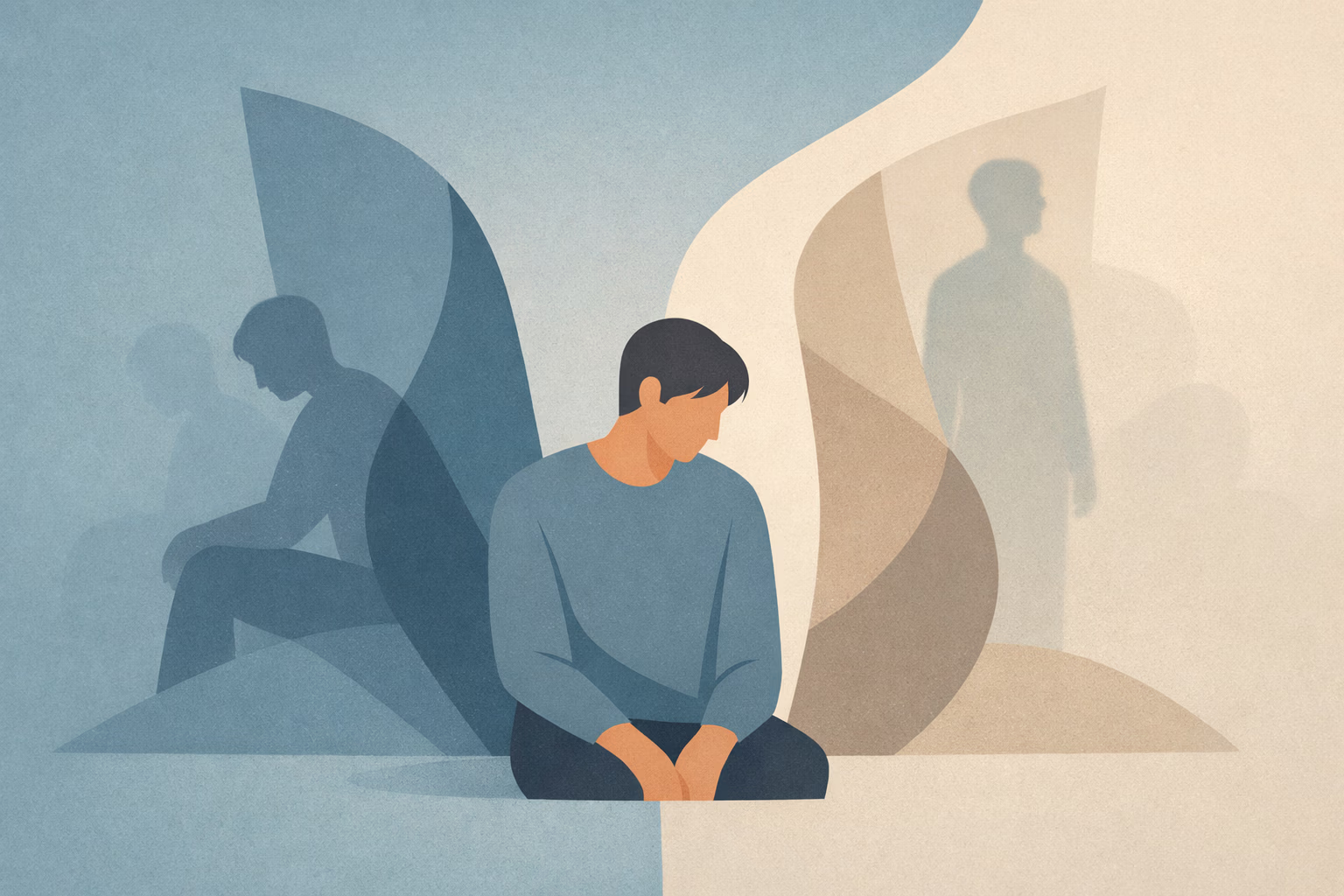
Understand why internal conflict appears when trying to change and how to resolve it.
This is the "push-pull" pattern of a system trying to regulate its own integration capacity. The "push" is the Reward system seeking connection; the "pull" is the Threat system sensing an incoming overwhelm. In the Meaning Density Model™, this isn't a "fear of intimacy," but a "management of load." Recognizing this pattern helps you see that your withdrawal is a protective strategy to ensure your identity remains coherent while attempting to engage with others.
You stop it by slowing down the "push." When you reach for connection with high intensity, you trigger a proportional "threat" response. By engaging in "low-velocity" connection—small, manageable loops—you prevent the system from hitting its limit. This allows you to stay in the "connection zone" longer because the "done" signals are being processed incrementally rather than in a giant, overwhelming wave that forces a withdrawal.
One Quiet Window, one insight, one reflection — every Sunday