

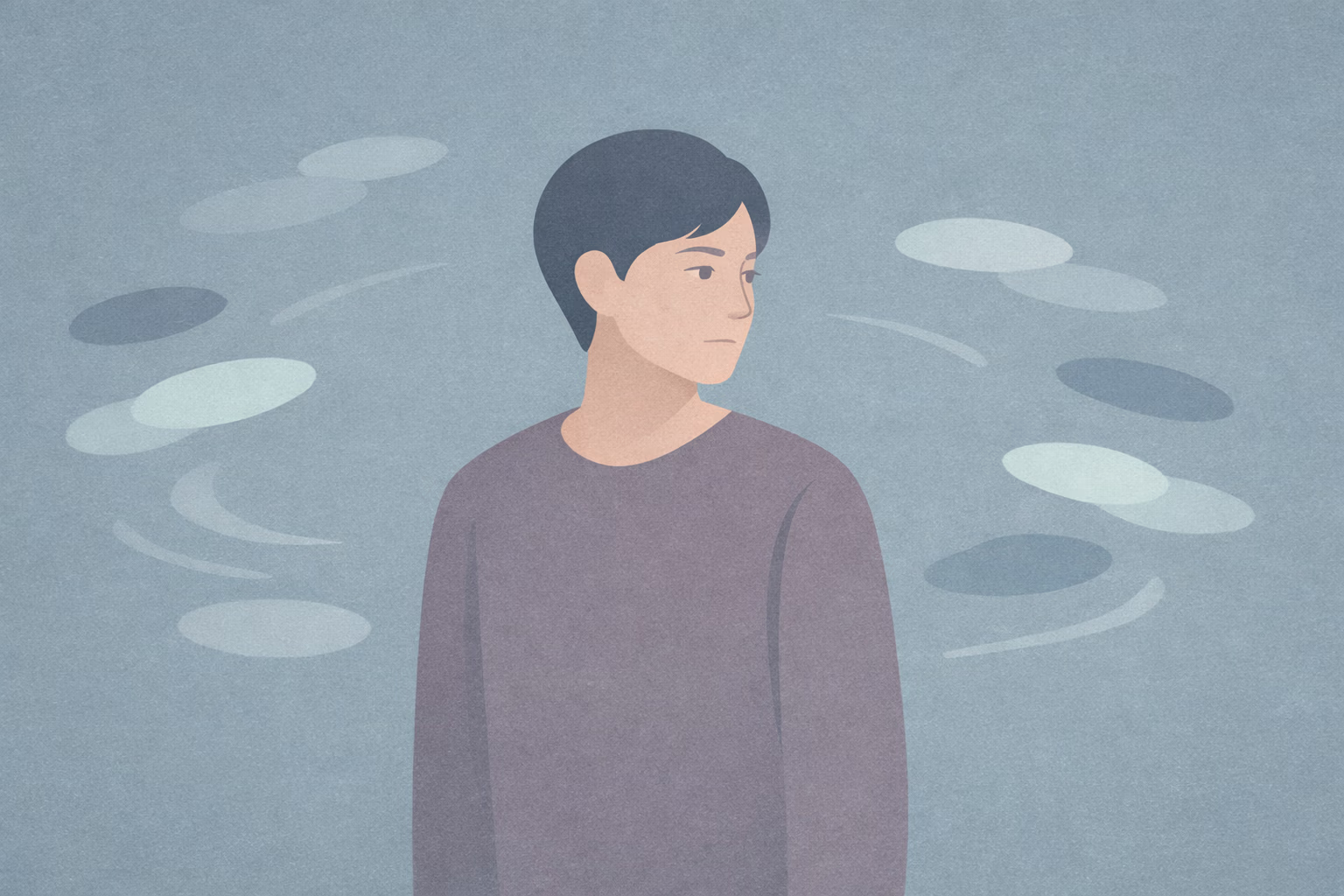
Self-Avoidance and Inner Escape
Understand why you avoid your inner world and how it intensifies suffering.
In context: You took a “Subtle Exit Inside.“ In high-density social or cognitive environments, the mind “steps back“ to maintain Balance. In the Meaning Density Model™, this is an “Internal Boundary“ being drawn when the external input becomes too “thick“ to process. You haven't “failed“ to pay attention; your Integrator has simply gone into “Low-Power Mode“ to protect your architecture from saturation.
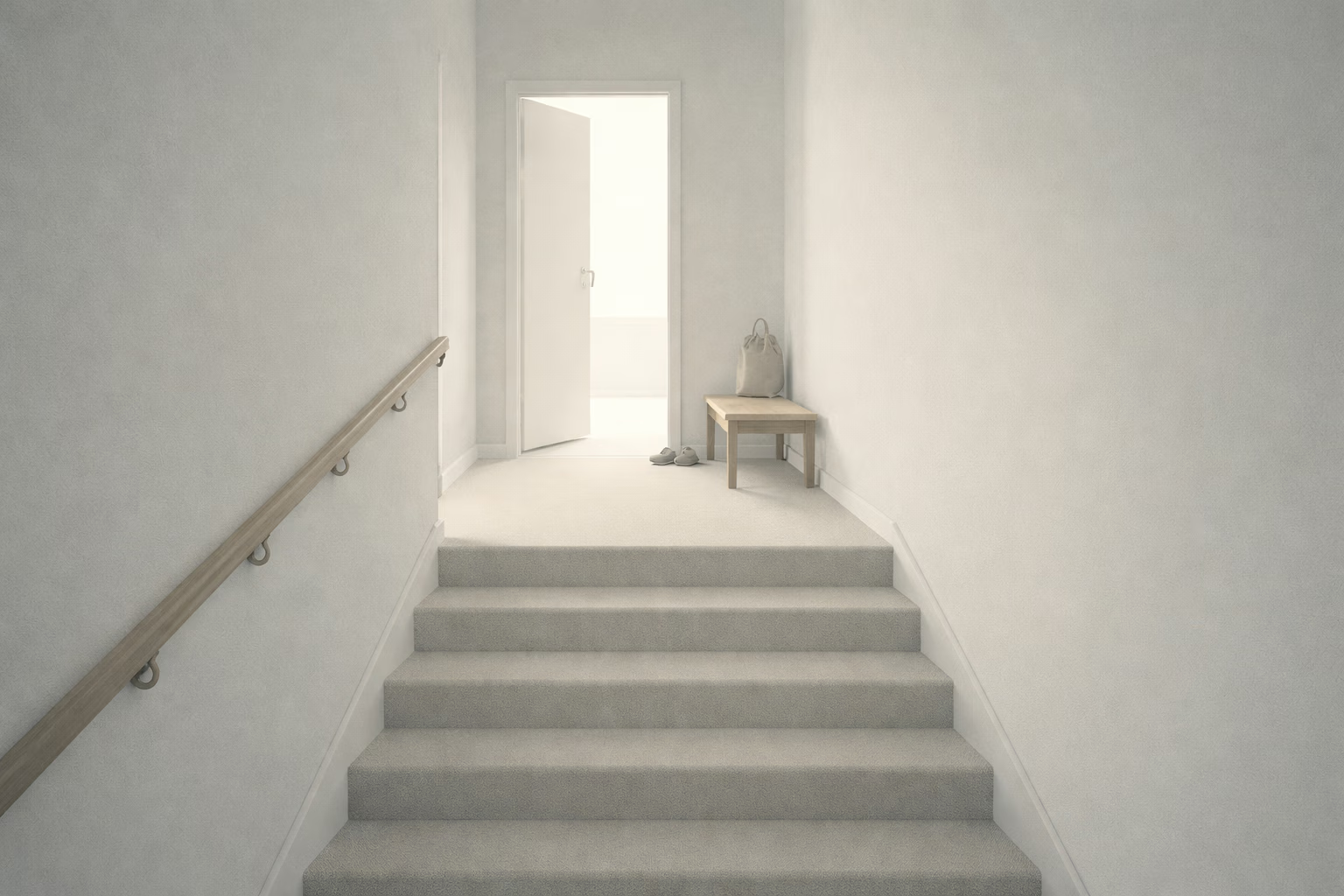
There is a subtle exit you take inside.
No doors slam.
No alarms sound.
Attention simply steps down a level.
This internal movement reduces intensity without erasing presence.
You are still here, just not at the edge.
Let this descent be seen as adjustment, not disappearance.
Understand internal exits with DojoWell.
Explore DojowellArticles exploring the psychology behind these patterns.
Understand why you avoid your inner world and how it intensifies suffering.
Understand why you resist habits you know would help you.
Learn why controlling everything backfires and how internal flexibility reduces suffering.
You took a "Subtle Exit Inside." In high-density social or cognitive environments, the mind "steps back" to maintain Balance. In the Meaning Density Model™, this is an "Internal Boundary" being drawn when the external input becomes too "thick" to process. You haven't "failed" to pay attention; your Integrator has simply gone into "Low-Power Mode" to protect your architecture from saturation.
It’s a signal of "Input Saturation." Instead of fighting it—which adds more stress—acknowledge the exit. "I am currently at capacity." This "Technical Honesty" reduces the Identity strain. DojoWell teaches that by allowing yourself a brief internal exit, you often regain the capacity to "re-enter" more effectively 5 minutes later, rather than forcing a "hollow" presence that leads to deep exhaustion.
One Quiet Window, one insight, one reflection — every Sunday