

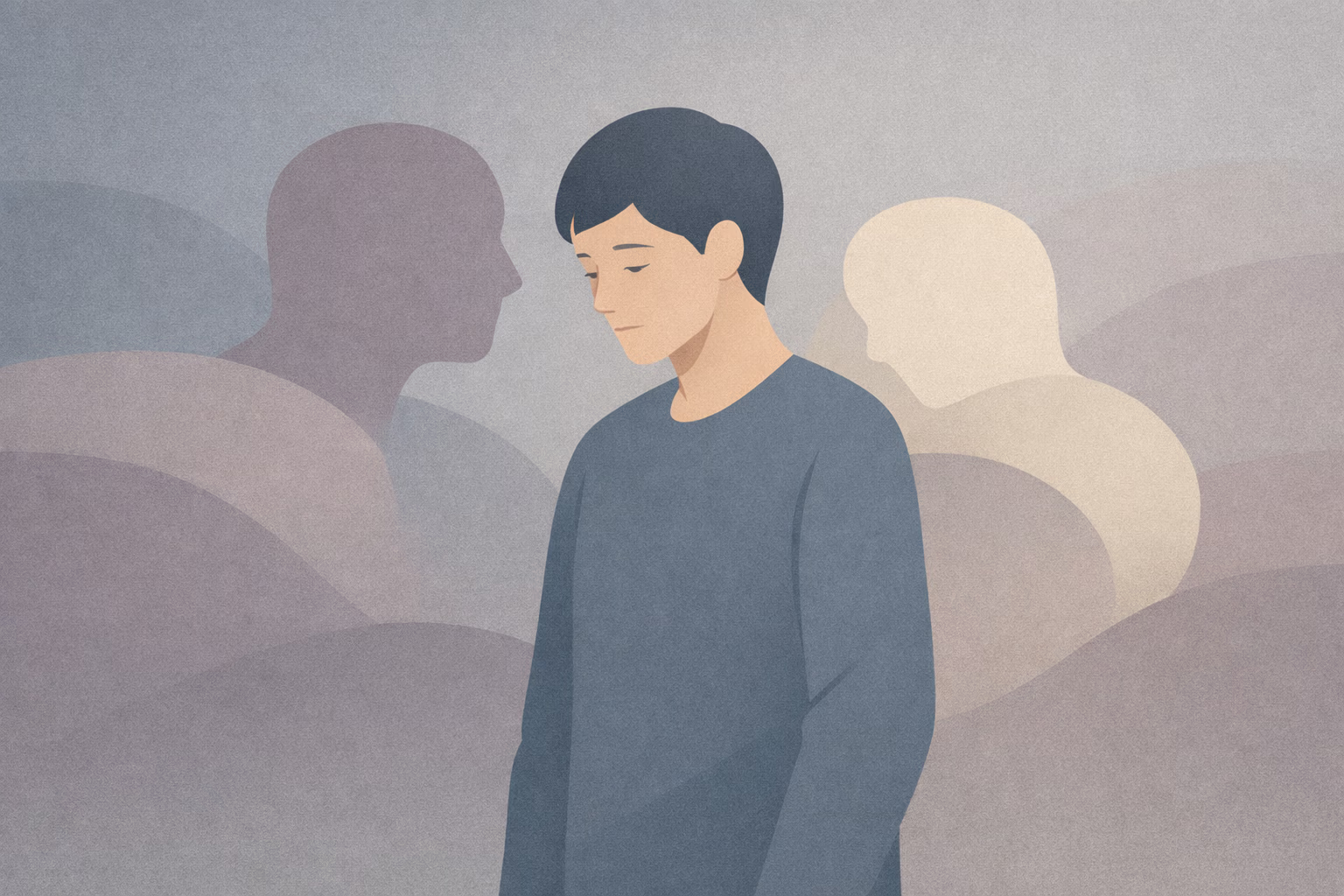
The Inner Critic & Self-Judgment
Explore why the inner critic evolved and how it shapes your behavior today.
In context: “The Voice That Rarely Pauses“ is a common feature of the Hypermodern Era. Because we are never “away“ from triggers and metrics, the critic stays in a state of permanent activation. Naming its persistence is a way of de-identifying from it.
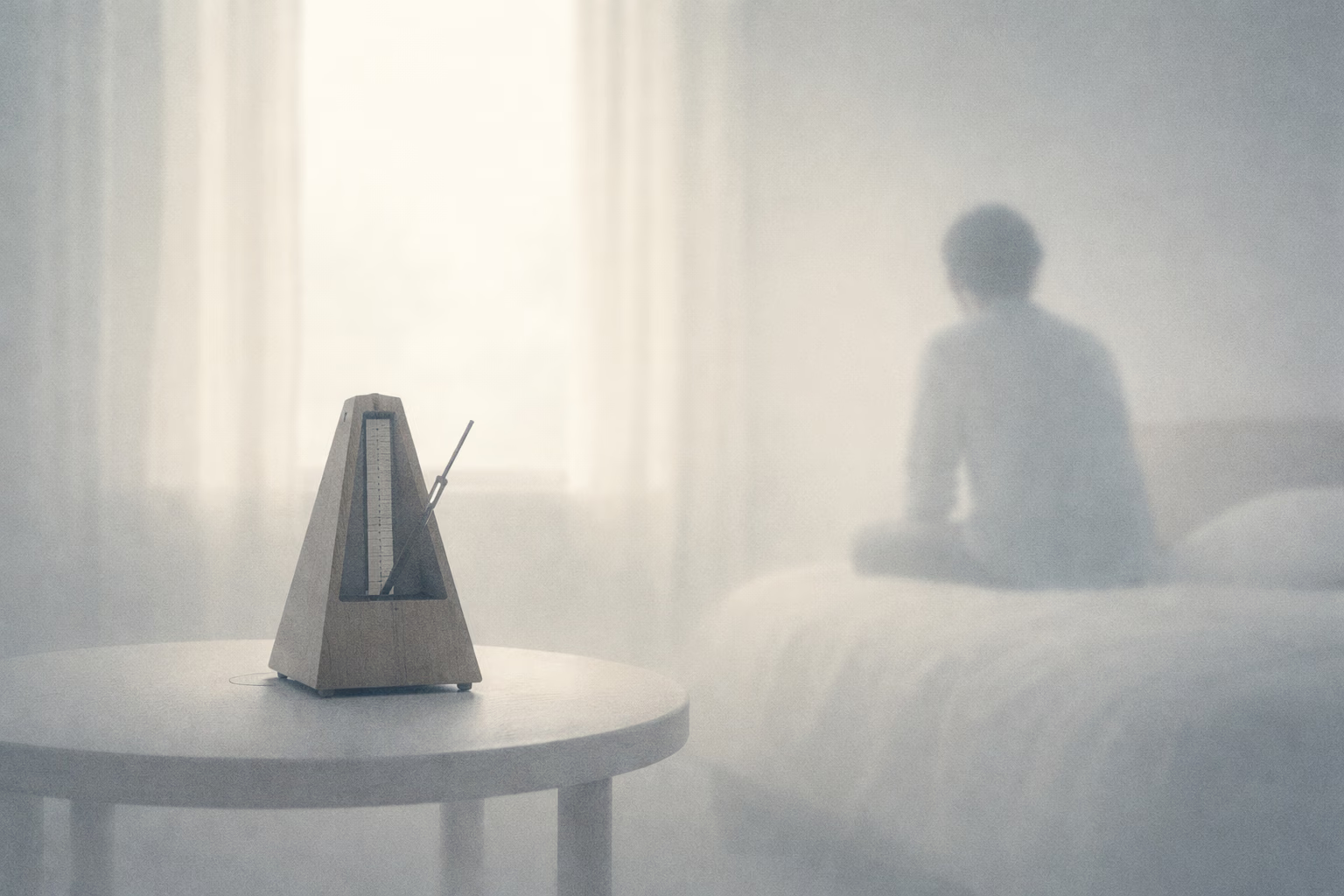
The voice that rarely pauses keeps time like a metronome.
Tick after tick, it marks behavior, tone, intention.
Silence feels unfamiliar.
This persistence is not truth, but habit.
Seeing its rhythm allows space between beats.
Recognize persistent self-criticism with DojoWell.
Explore DojowellArticles exploring the psychology behind these patterns.
Explore why the inner critic evolved and how it shapes your behavior today.
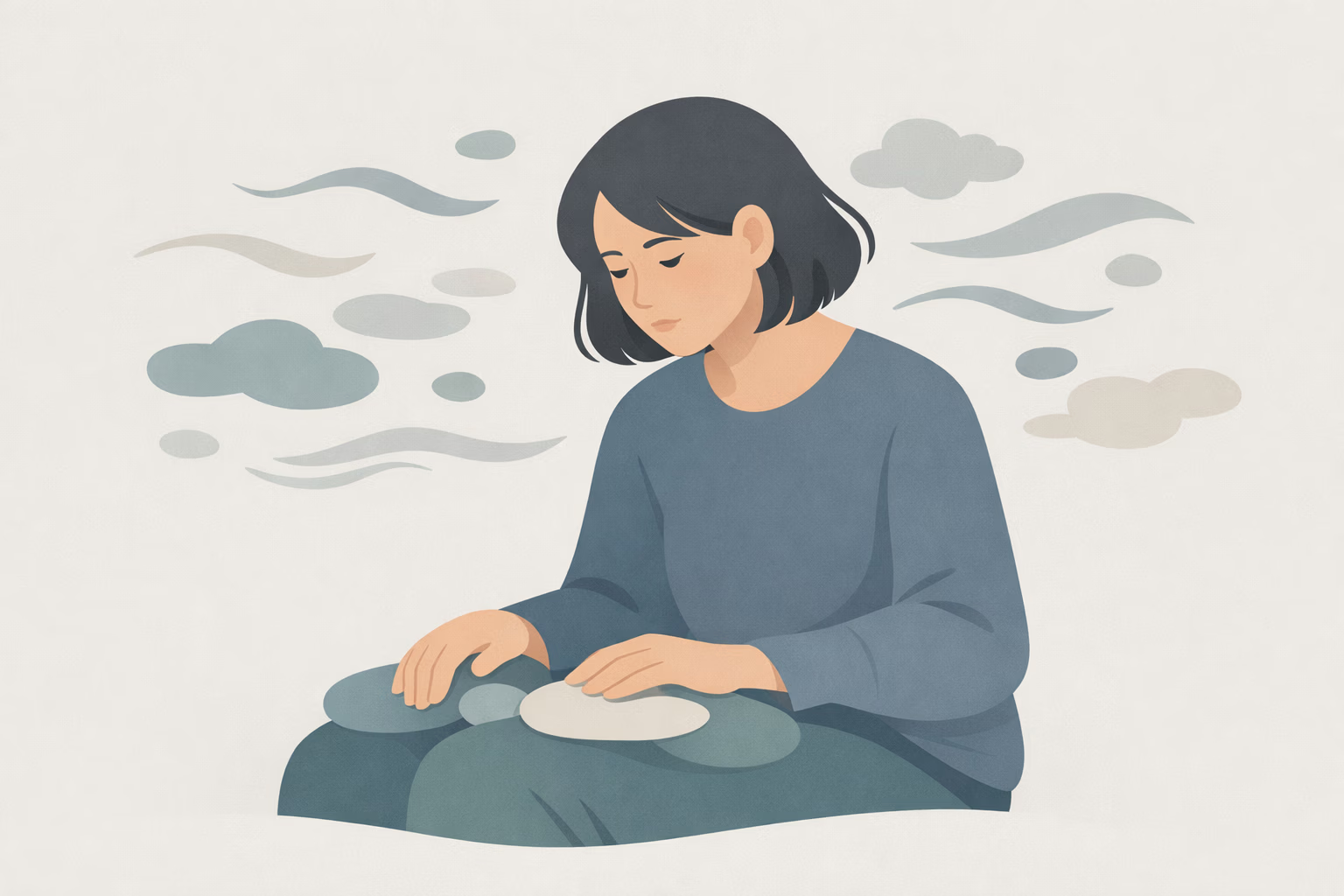
Understand why inner noise persists and how to quiet it.
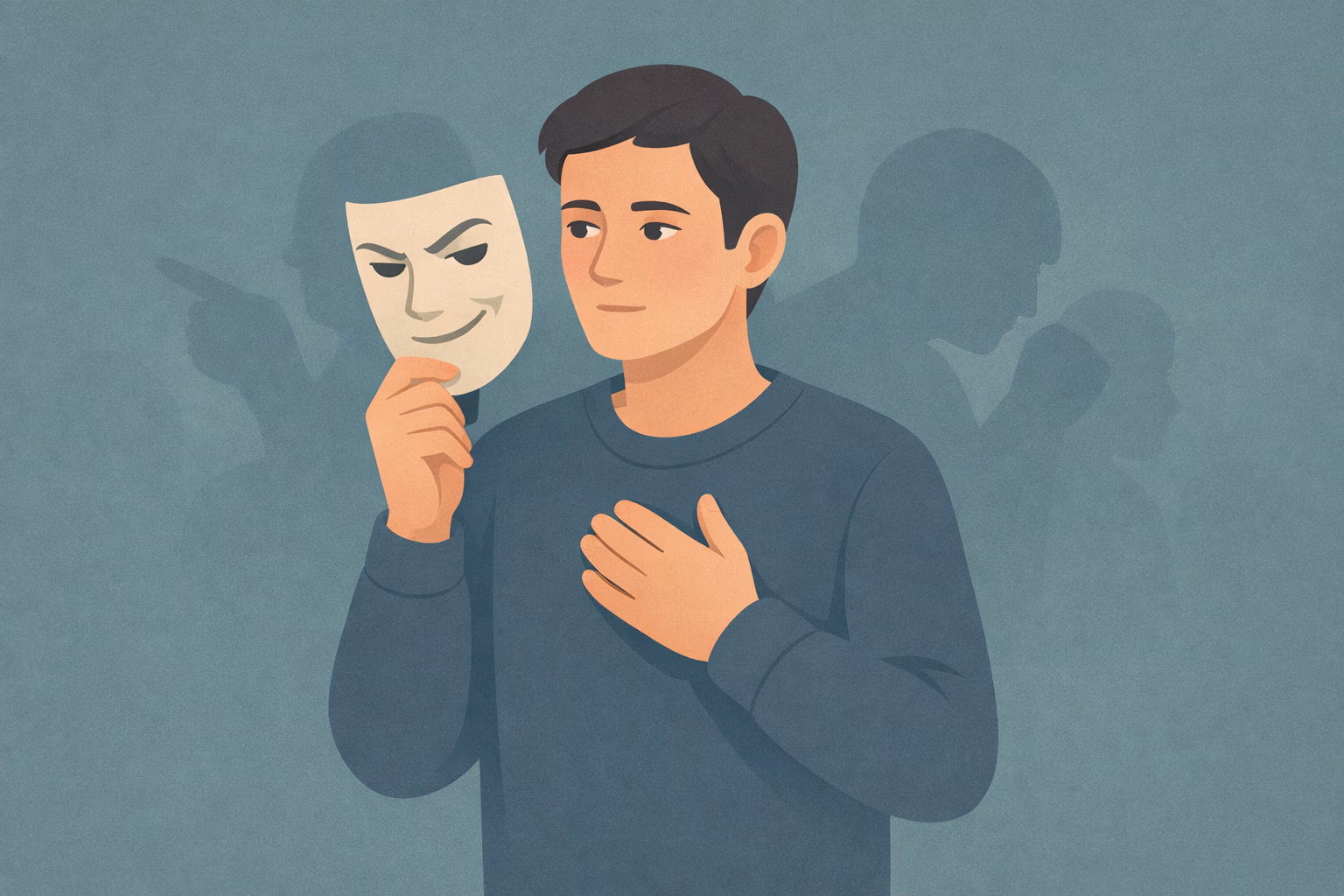
Understand why self-righteousness often hides insecurity and emotional fear.
"The Voice That Rarely Pauses" is a common feature of the Hypermodern Era. Because we are never "away" from triggers and metrics, the critic stays in a state of permanent activation. Naming its persistence is a way of de-identifying from it. It isn't a "deep truth" about you; it's just a sub-system with a broken "off" switch. Recognizing its repetitive nature helps you treat it as background noise rather than a series of urgent commands.
Move your attention to "non-verbal" tasks. The inner critic thrives on language and narrative. By engaging in sensory-heavy, manual, or rhythmic activities, you force the brain to reallocate its resources. While the "voice" might continue, your Attentional Sovereignty is restored to the physical world. This creates a "structural pause" by starving the critic of the attentional weight it needs to feel important.
One Quiet Window, one insight, one reflection — every Sunday