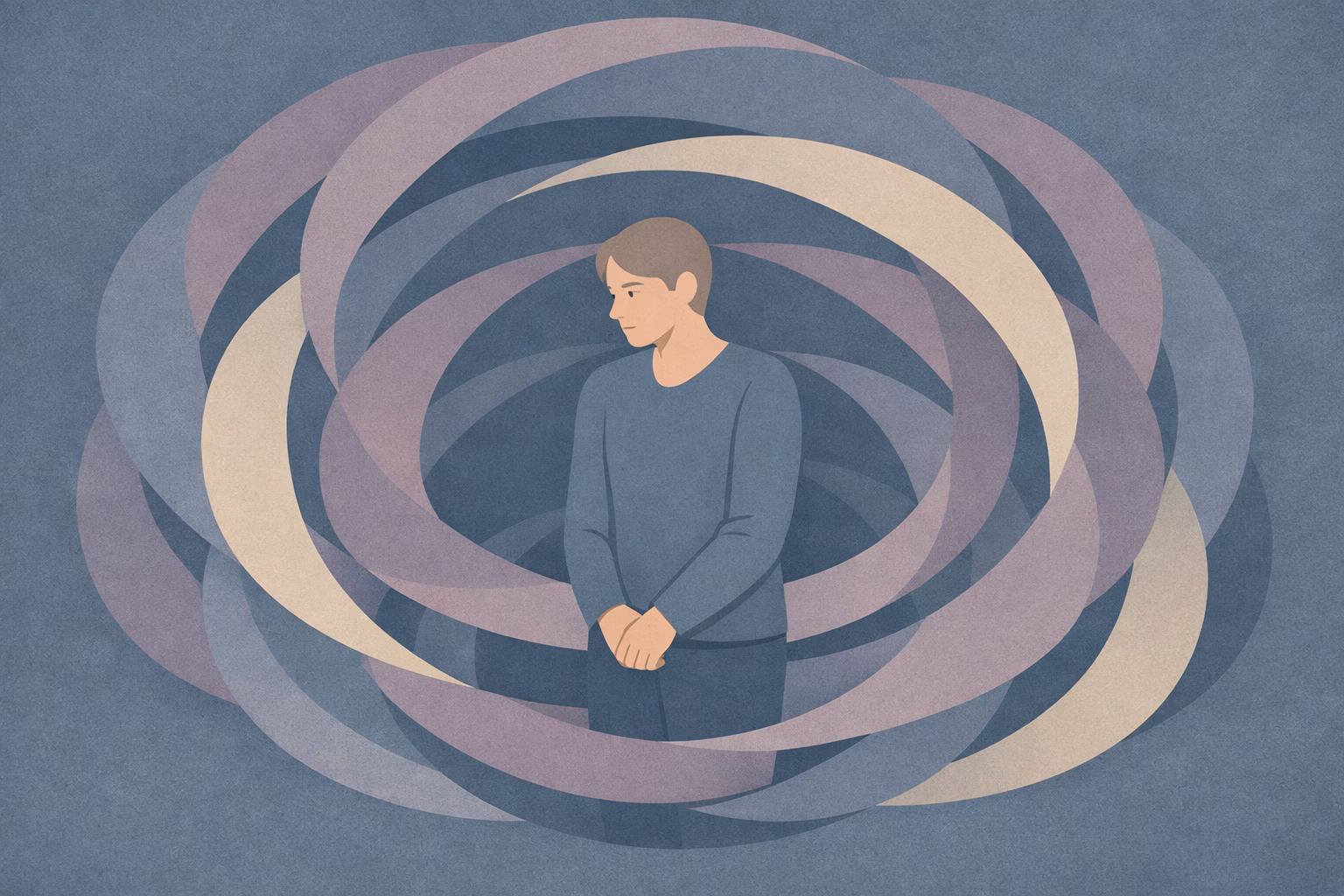
The Inner Critic Spiral
Learn how the inner critic forms and how to soften it.
In context: You are experiencing “The Voice That Tightens the Room.“ Harsh inner language acts as a Threat Signal. Your brain interprets self-criticism as an external attack, triggering a “bracing“ response in your muscles.

The voice that tightens the room doesn’t shout.
It narrows space subtly, making movement feel risky.
Thoughts shorten, breath shallows, options seem fewer.
This constriction feels like realism, but it is a reaction, not a fact.
Recognizing the tightening restores a little air.
Recognize constriction patterns with DojoWell.
Explore DojowellArticles exploring the psychology behind these patterns.
You are experiencing "The Voice That Tightens the Room." Harsh inner language acts as a Threat Signal. Your brain interprets self-criticism as an external attack, triggering a "bracing" response in your muscles. Naming this constricting effect helps you see that the "harsh voice" isn't just a thought; it is a physiological event that closes your internal space and prevents your nervous system from settling.
Focus on the physical "bracing" rather than the thoughts. When the voice sharpens, notice where your body is tightening—usually the jaw, shoulders, or chest. By consciously softening those areas, you send a "Safety Signal" back to the brain. This "bottom-up" regulation makes it harder for the harsh voice to maintain its intensity, eventually opening up the internal space again.
One Quiet Window, one insight, one reflection — every Sunday