

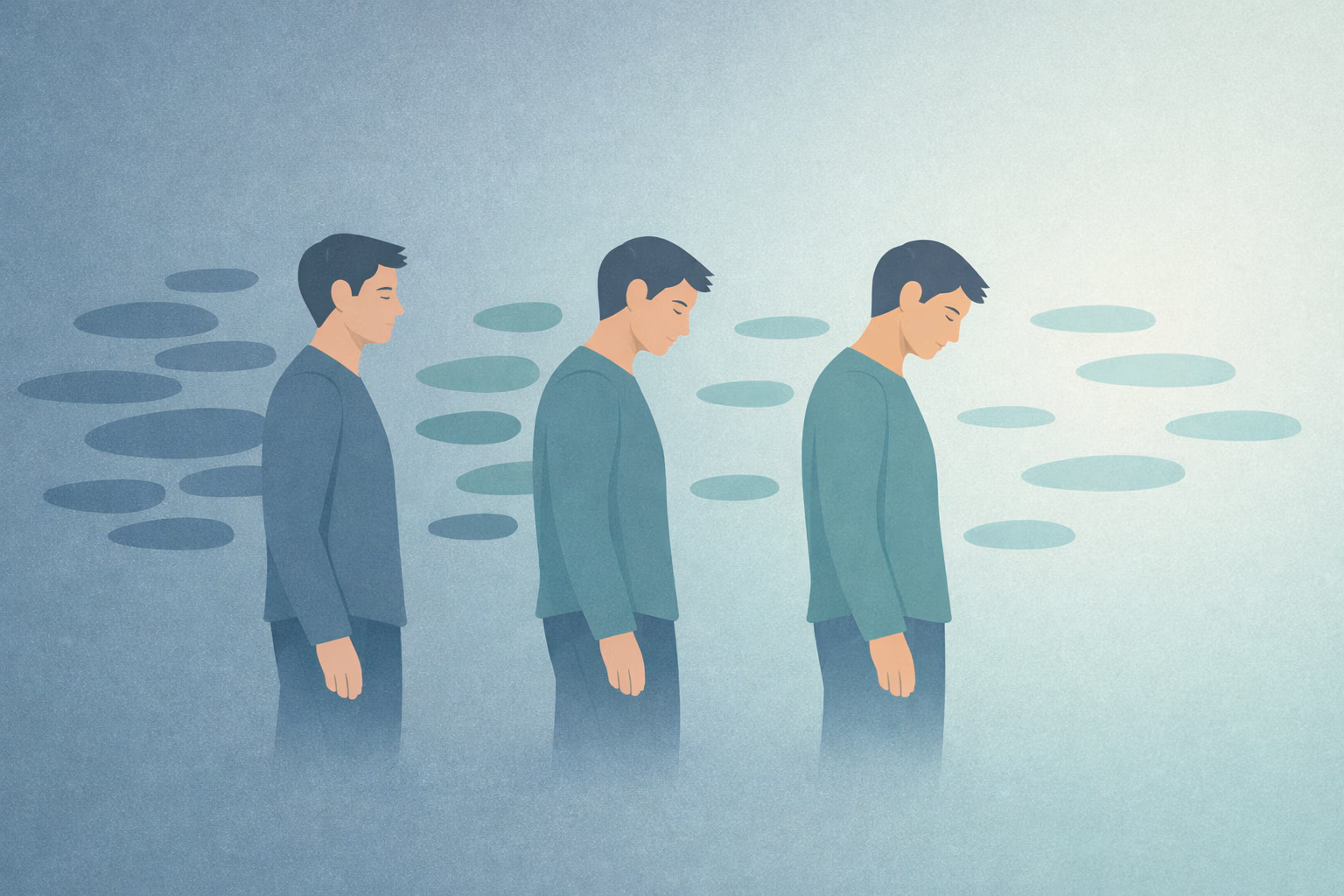
Stress Downshifting & Emotional Speed
Learn how gradual stress downshifting restores emotional balance.
In context: The “Weight is Shifting on Its Own.“ As your nervous system regulates, it naturally “redistributes“ its load. In the Meaning Density Model™, when the “total density“ of your life drops, your Integrator can finally move burdens around to more sustainable “storage areas.“ The worry didn't necessarily go away; it just lost its “emergency“ status.

The weight shifts without instruction.
Balance adjusts quietly.
This is regulation happening on its own.
You did not intervene.
You did not manage it.
Trust builds when you allow this self-correction.
Nothing needs to be optimized.
Stability returns through allowance, not effort.
Trust spontaneous adjustment with DojoWell.
Explore DojowellArticles exploring the psychology behind these patterns.
Learn how gradual stress downshifting restores emotional balance.
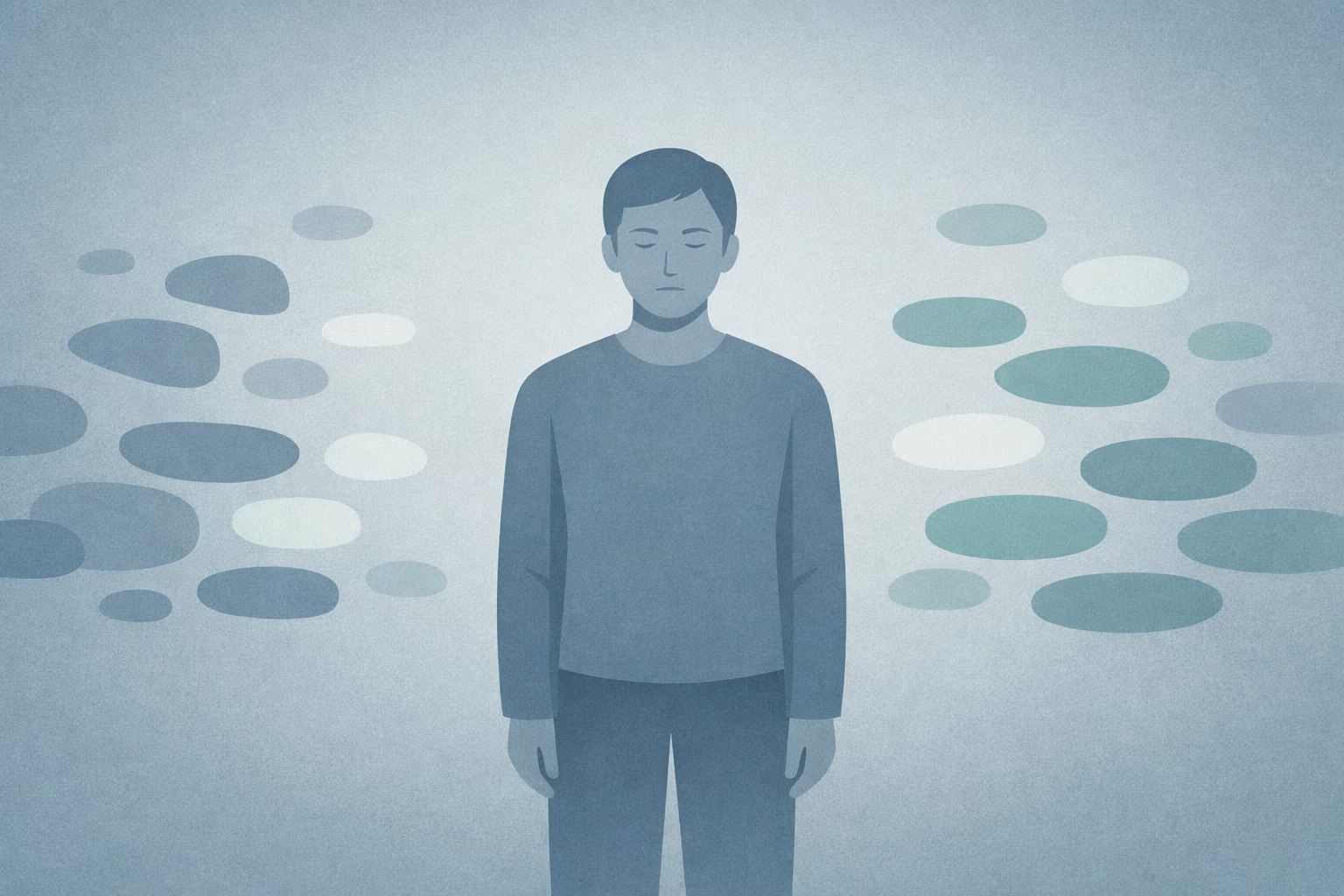
Learn how to recalibrate emotionally after difficult moments.
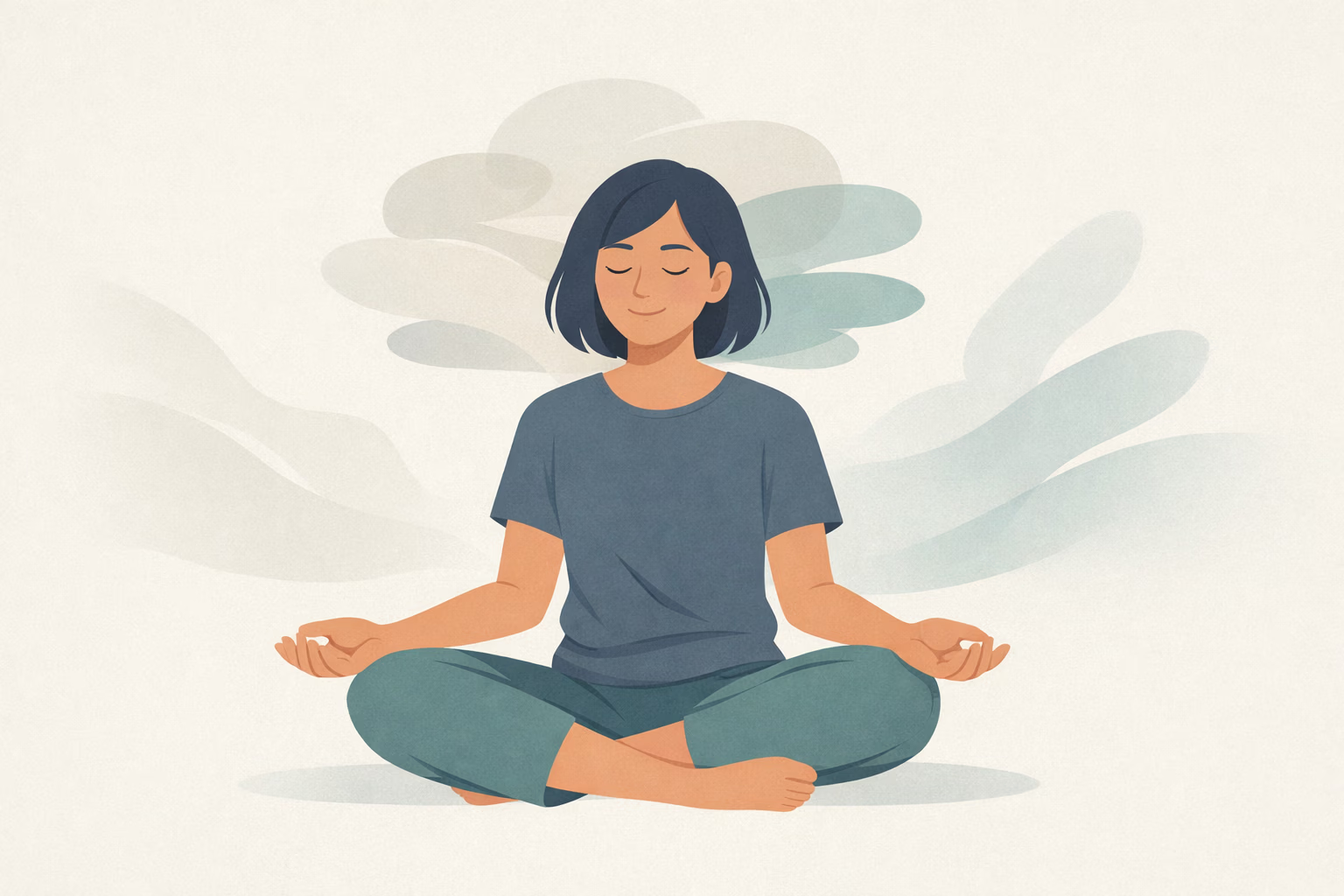
Learn fast techniques to clear mental clutter and reset your mind.
The "Weight is Shifting on Its Own." As your nervous system regulates, it naturally "redistributes" its load. In the Meaning Density Model™, when the "total density" of your life drops, your Integrator can finally move burdens around to more sustainable "storage areas." The worry didn't necessarily go away; it just lost its "emergency" status. This redistribution is a sign that your internal architecture is becoming more flexible and resilient.
Only if it feels "low-friction." If you try to force a solution, you might re-ignite the Threat loop. DojoWell suggests allowing the weight to keep shifting until it "lands" naturally. Often, a worry that has been redistributed becomes a "task" that can be finished with simple logic. Wait for the moment when the weight feels "small enough to pick up" without triggering a bracing response. That is the signal of a successful structural adjustment.
One Quiet Window, one insight, one reflection — every Sunday