

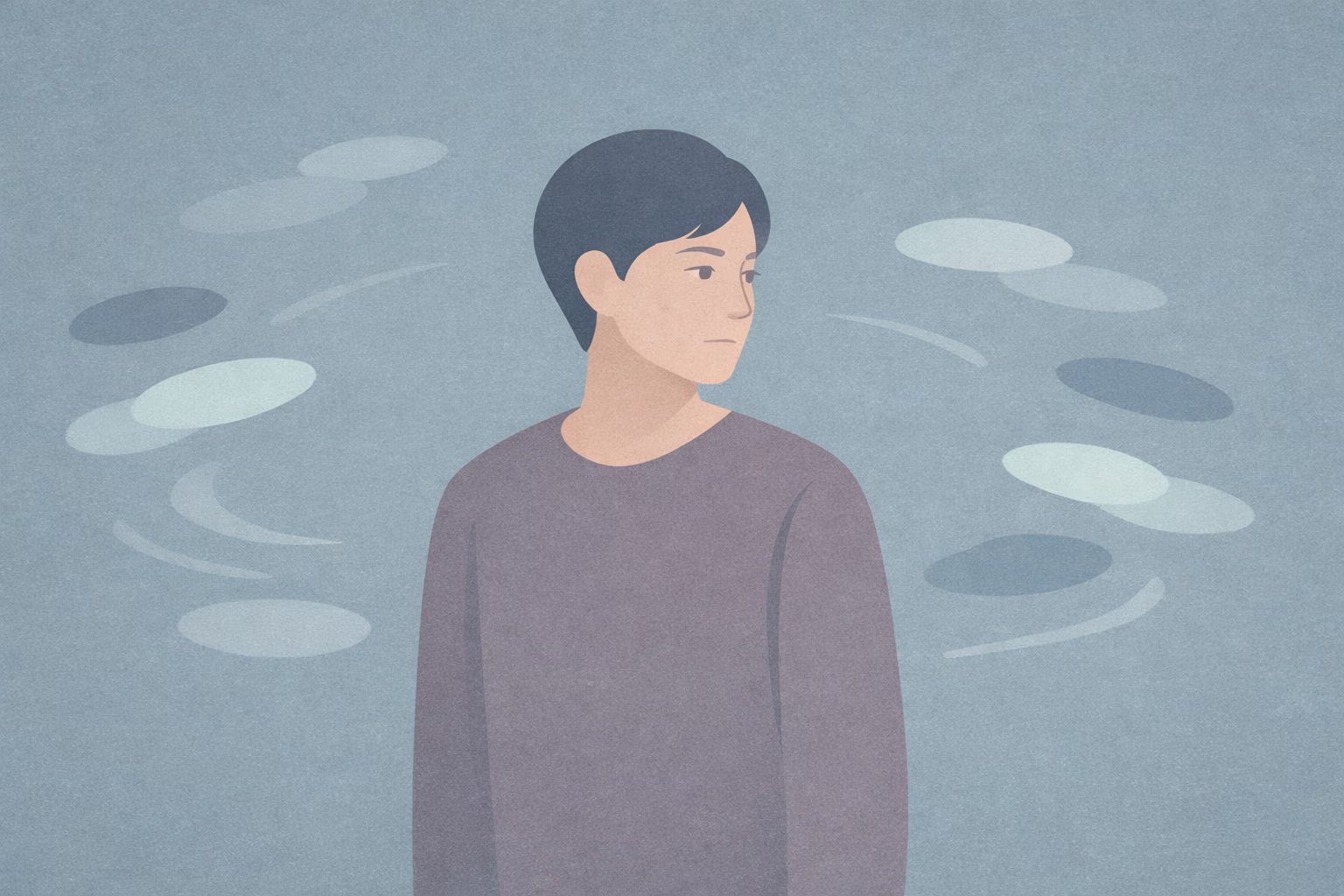
Self-Avoidance and Inner Escape
Understand why you avoid your inner world and how it intensifies suffering.
In context: Yes, you are “Turning Away Without Leaving.“ Your physical Presence is intact, but your “Attention“ has moved to a “Safe Zone.“ In the Meaning Density Model™, this is a “Partial Disengagement.“ You are staying “Near“ the work (maintaining proximity) while protecting your Identity from the “Pressure“ of the task.
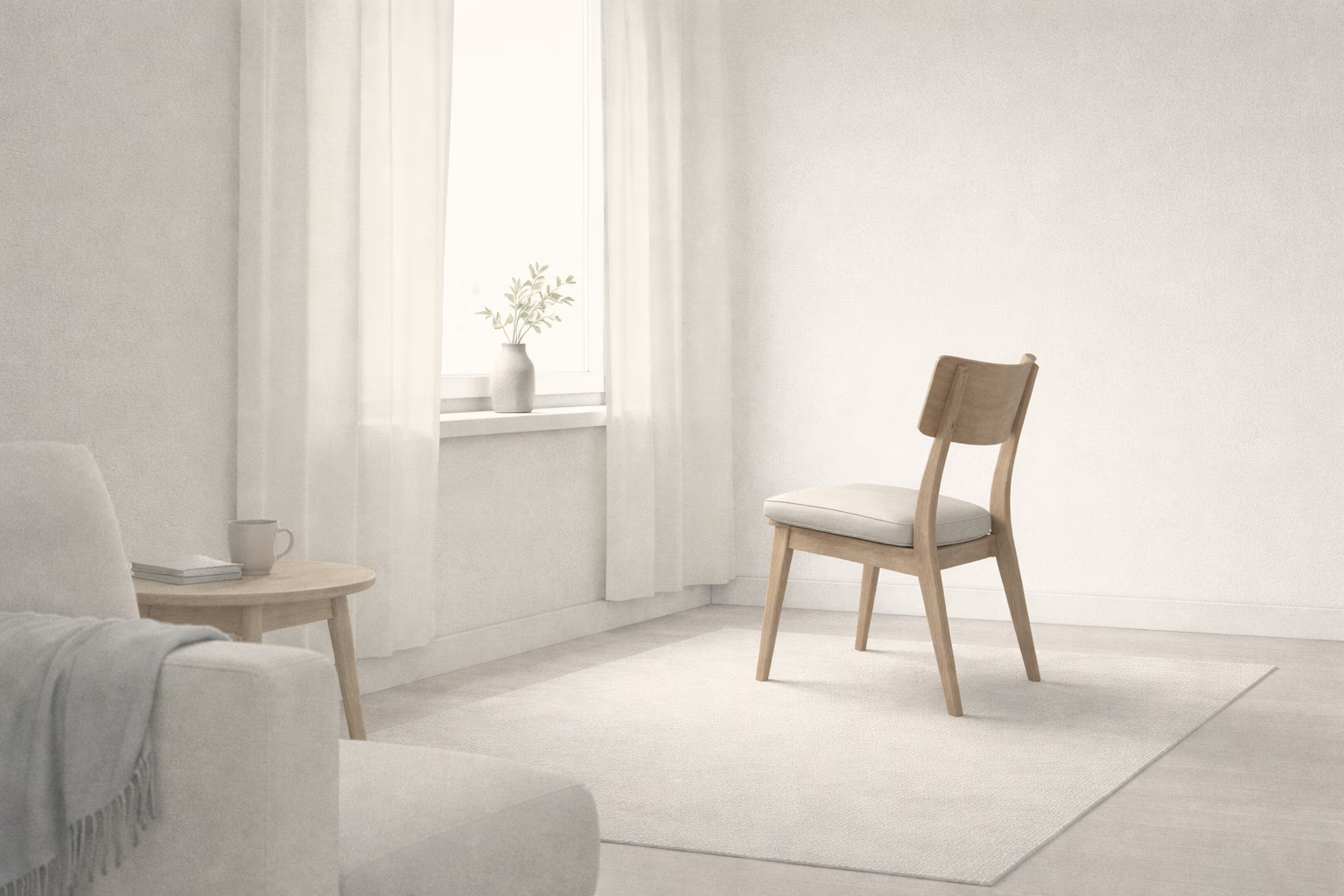
You turn away without leaving.
The body stays in the room while attention shifts its angle.
This preserves presence without overload.
Let the chair stay nearby.
You are still participating— just from a safer position.
Separate avoidance from absence with DojoWell.
Explore DojowellArticles exploring the psychology behind these patterns.
Understand why you avoid your inner world and how it intensifies suffering.
Understand why avoidance hides real needs and how to stop.
Learn why controlling everything backfires and how internal flexibility reduces suffering.
Yes, you are "Turning Away Without Leaving." Your physical Presence is intact, but your "Attention" has moved to a "Safe Zone." In the Meaning Density Model™, this is a "Partial Disengagement." You are staying "Near" the work (maintaining proximity) while protecting your Identity from the "Pressure" of the task. It’s a way of "Staying at the Table" without being "Consumed by the Meal."
It’s a "Maintenance Strategy." It allows you to stay "in the room" when "total departure" isn't an option. DojoWell suggests using this "Mental Buffer" to take small "Somatic Breaths." By staying physically present while mentally "Resting," you prevent a "Total Break" in your routine. This makes it much easier to "Turn Back Toward" the work when the immediate wave of pressure has passed.
One Quiet Window, one insight, one reflection — every Sunday