

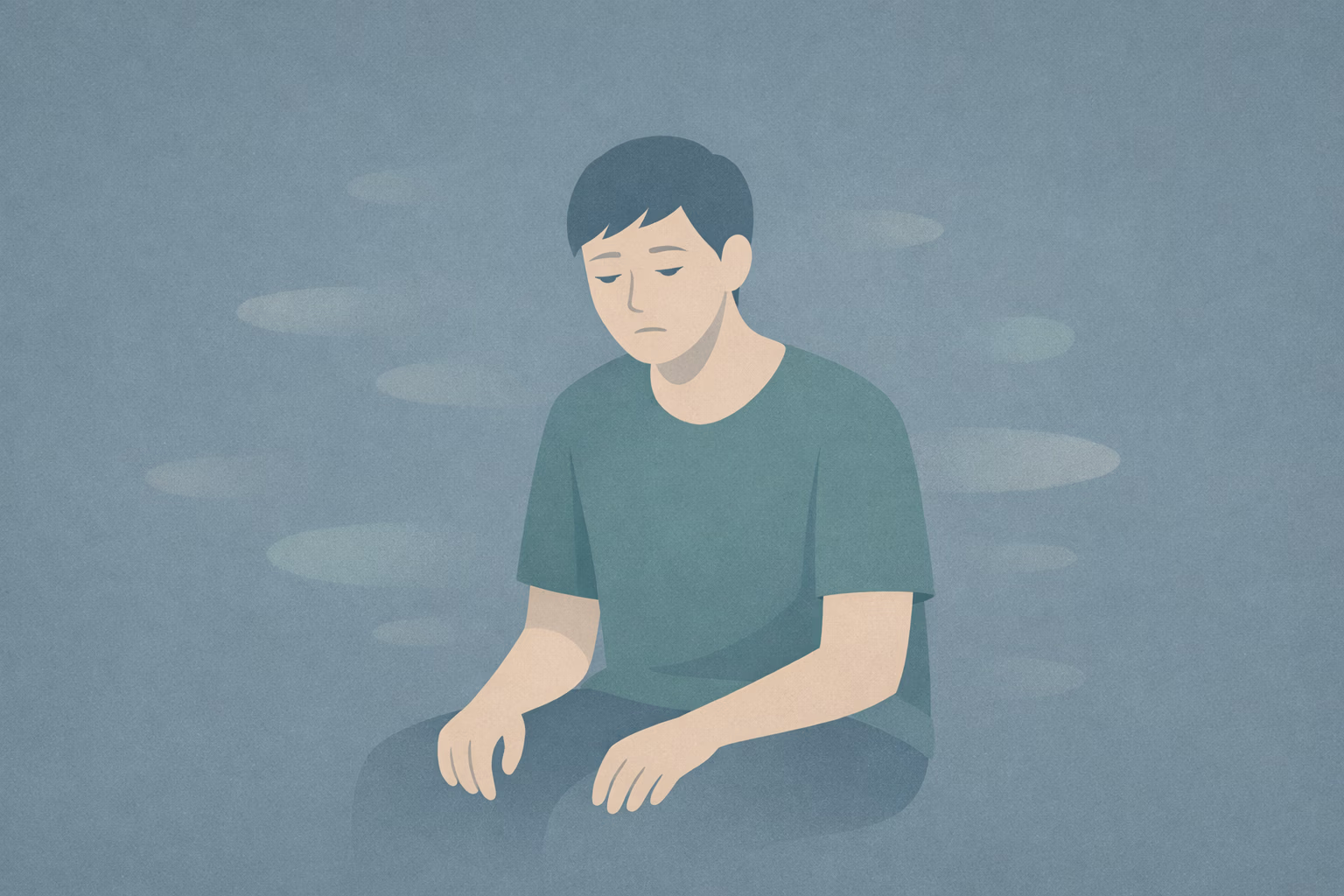
Emotional Exhaustion & Depleted Capacity
Understand emotional exhaustion and how to rebuild capacity.
In context: No. “Calm and Safety are not the same.“ Calm is an external environment (low noise, low activity), but Safety is an internal state (low threat, high integrity). In the Meaning Density Model™, you can be in a “Calm“ room while your Threat system is still “High-Density“ due to unresolved internal loops.
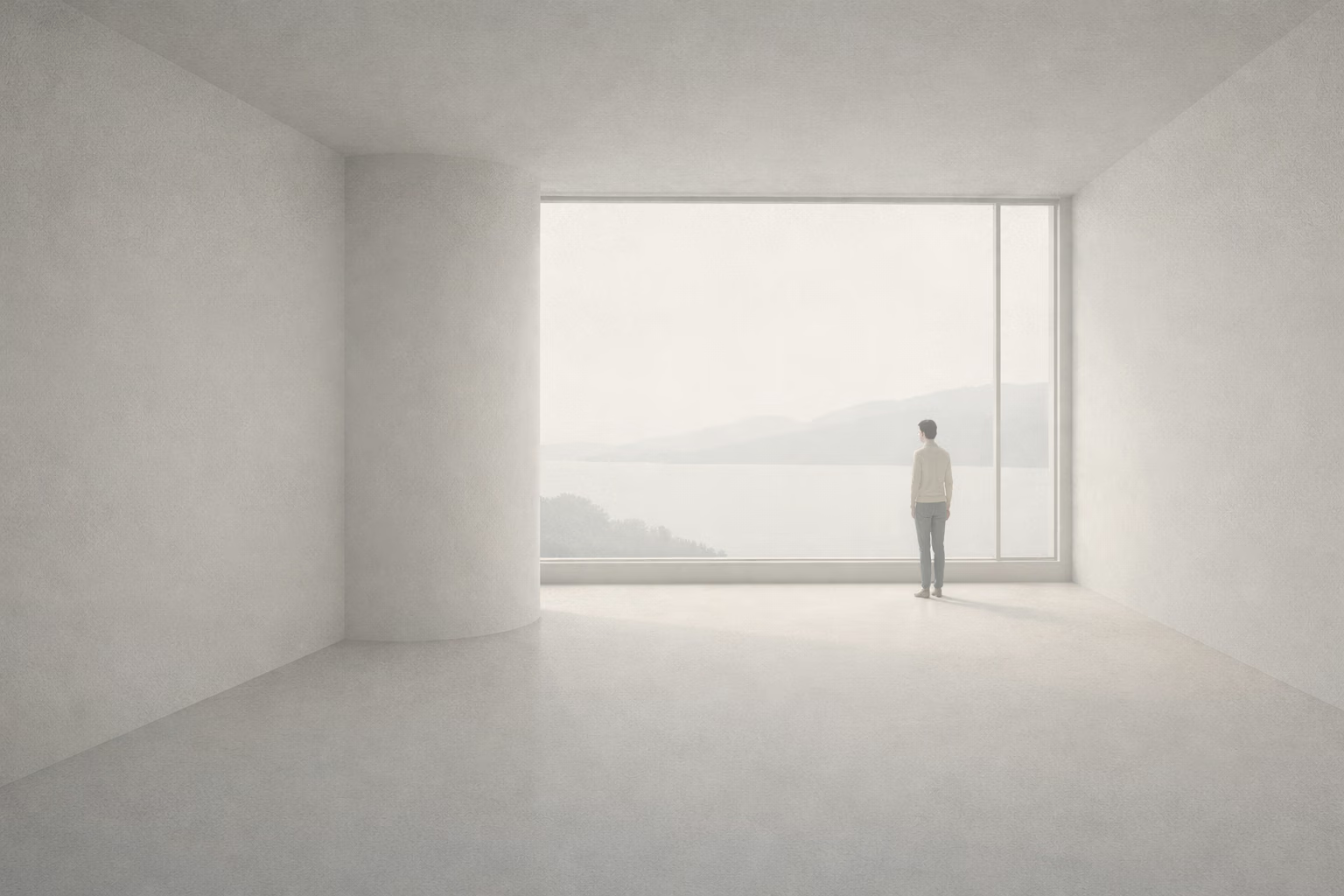
Calm appears, but it doesn’t fully register as safe.
The body remains unsure.
Differentiating calm from safety matters.
Calm is a state.
Safety is an assessment.
When threat saturation is present, calm alone is not convincing.
Naming this prevents frustration.
You are not resistant to calm— you are still evaluating safety.
Differentiate calm from safety with DojoWell.
Explore DojowellArticles exploring the psychology behind these patterns.
Understand emotional exhaustion and how to rebuild capacity.
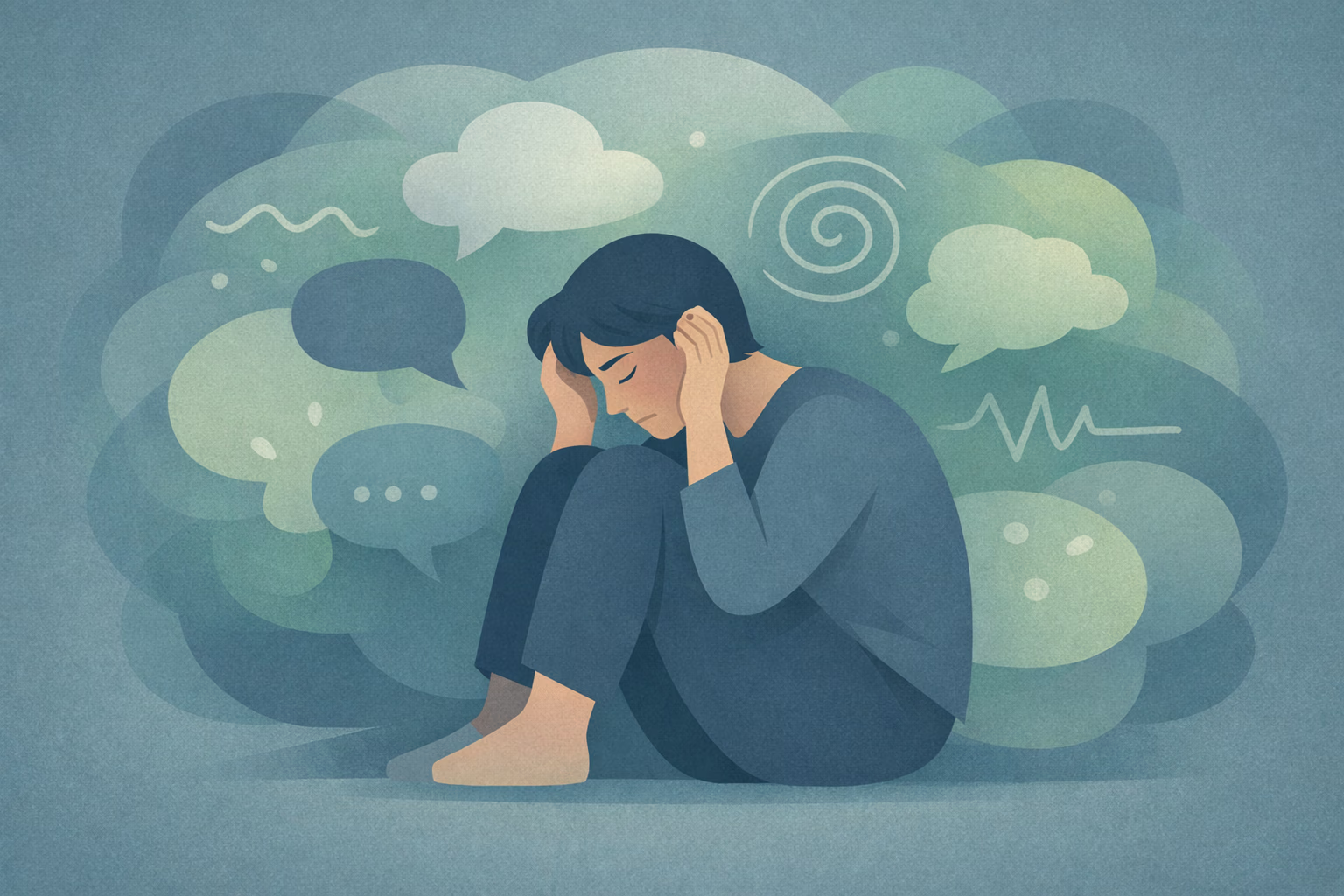
Discover why emotional numbness happens and how your nervous system protects you by shutting down under chronic stress.
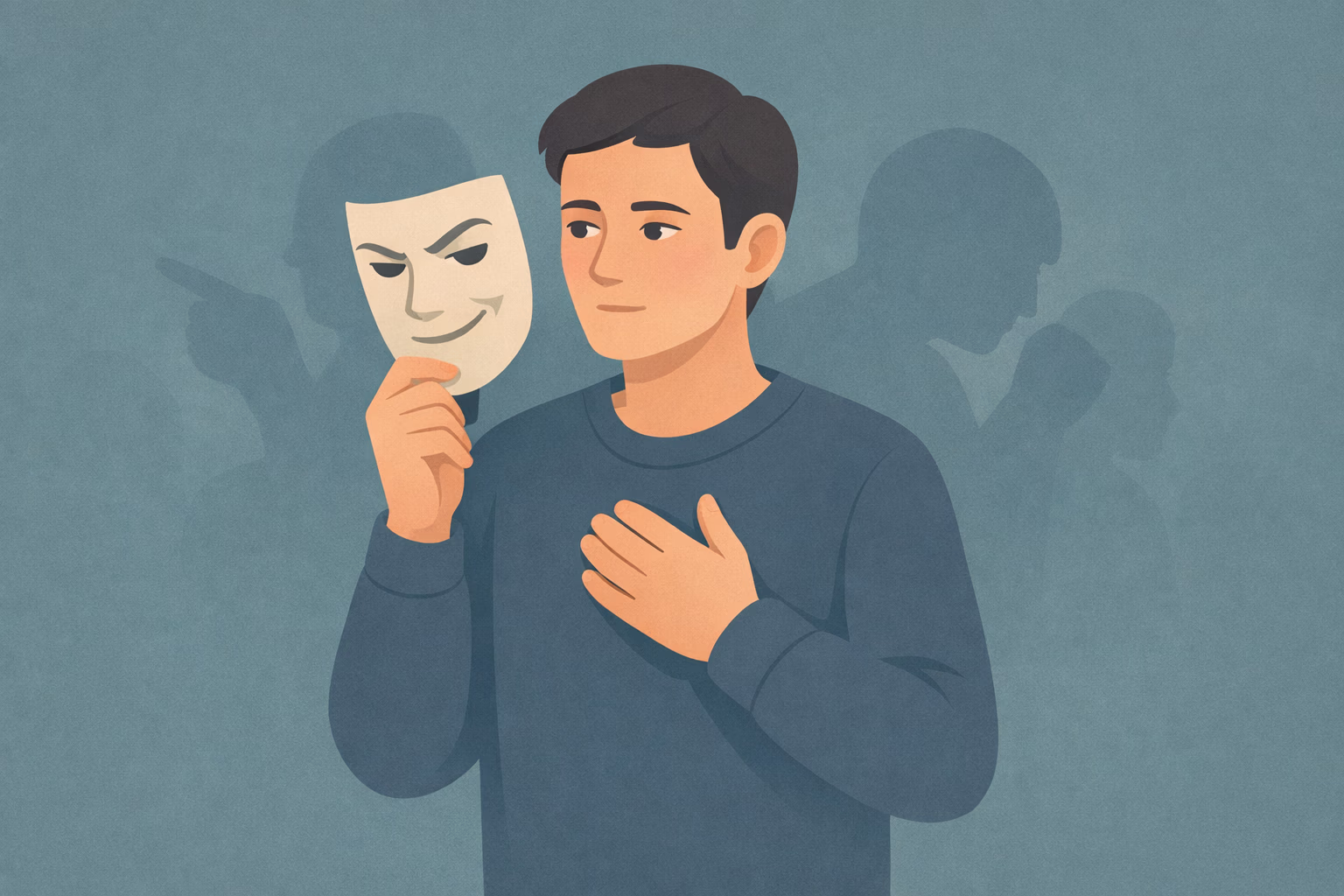
Understand why self-righteousness often hides insecurity and emotional fear.
No. "Calm and Safety are not the same." Calm is an external environment (low noise, low activity), but Safety is an internal state (low threat, high integrity). In the Meaning Density Model™, you can be in a "Calm" room while your Threat system is still "High-Density" due to unresolved internal loops. Calm is the "Background," but Safety is the "Landing." You aren't broken; your internal world is simply still "Processing" the previous noise.
You turn calm into safety through "Intentional Integration." While in the calm environment, focus on one "singular completion"—even something as small as finishing a glass of water. This "micro-landing" proves to your Safety system that the calm environment is actually "functional" and "secure." By creating small, successful "Meaning Moments" within the calm, you slowly "Anchor" your safety in the present reality.
One Quiet Window, one insight, one reflection — every Sunday