


Hyper-Independence as a Trauma Response
Learn why hyper-independence forms and how it limits emotional intimacy.
In context: Contact is a physical trigger, but “closeness“ is a structural settlement. If your Threat system is still active or your “integrator“ is full, contact can feel “flat“ or even intrusive. It fails to soften distance because the emotional “buffer“ is still in place for protection.
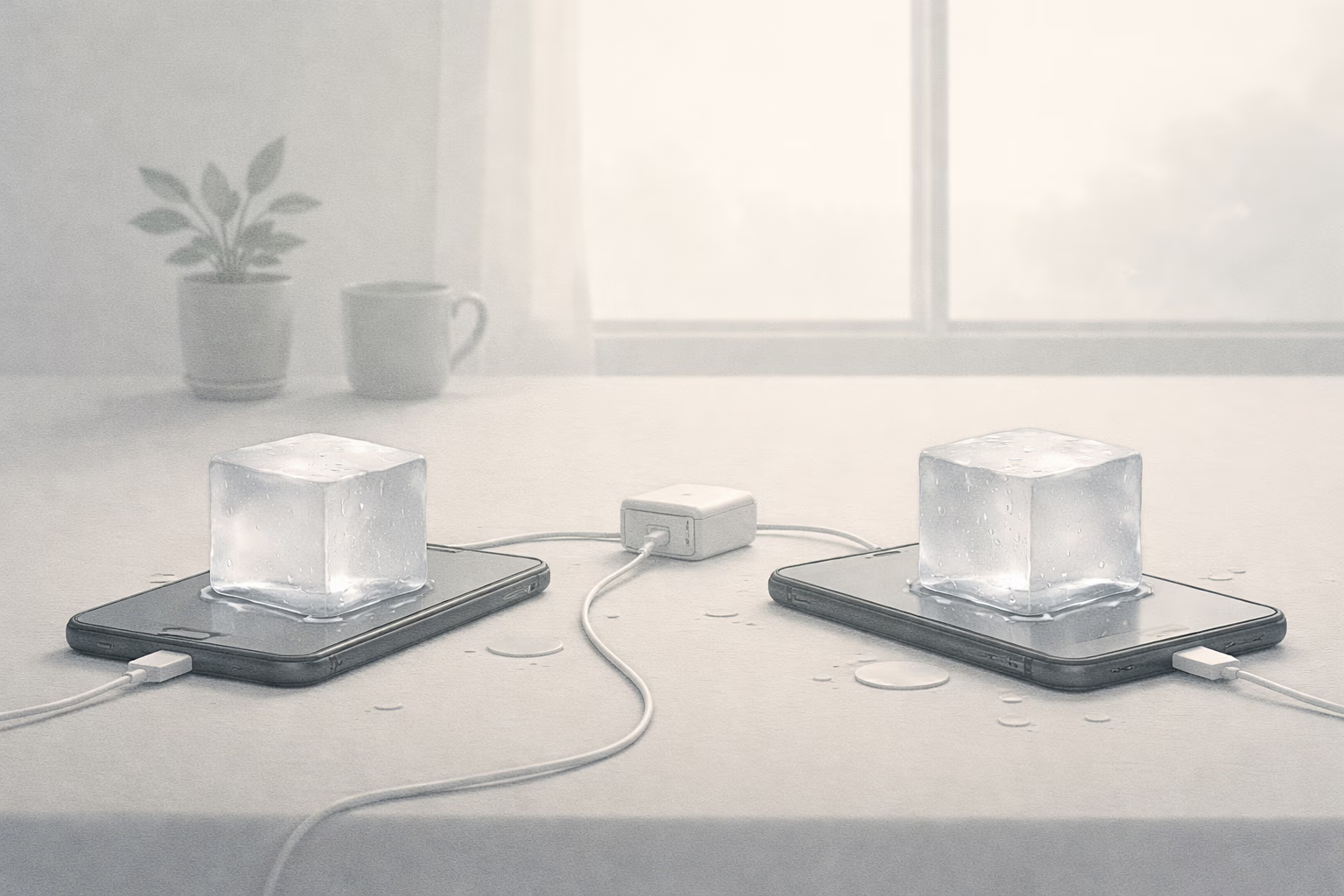
Contact occurs, but distance remains unchanged.
Interaction touches the surface without warming what lies beneath.
You notice the absence of softening—not rejection, not withdrawal, just a lack of shift.
This is how connection sometimes behaves: present, intact, yet unmoved by proximity.
Recognize non-softening contact with DojoWell.
Explore DojowellArticles exploring the psychology behind these patterns.
Learn why hyper-independence forms and how it limits emotional intimacy.
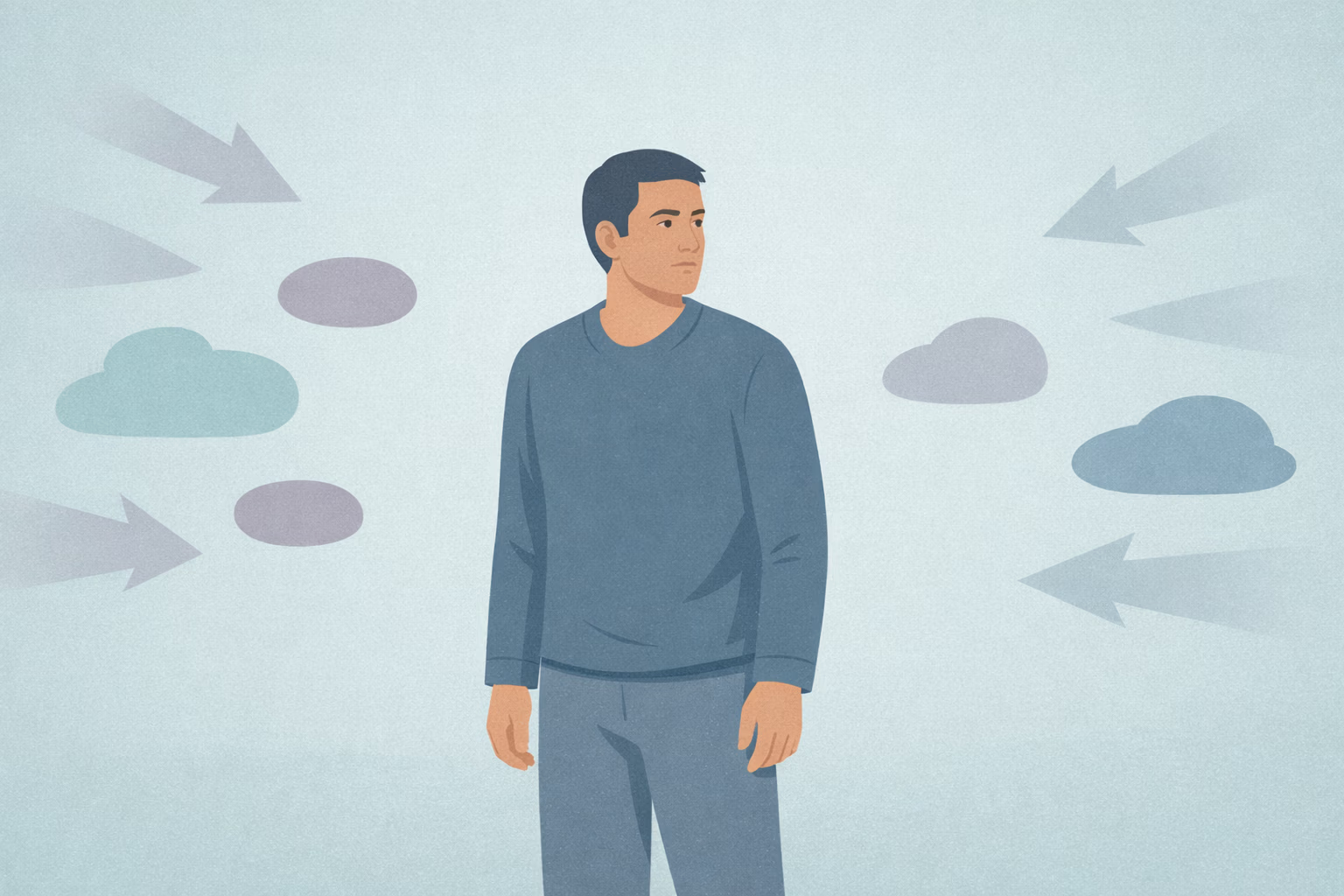
Understand nervous system stress caused by missing tribe cues.

Understand why certain relationships drain you and how to protect your emotional energy.
Contact is a physical trigger, but "closeness" is a structural settlement. If your Threat system is still active or your "integrator" is full, contact can feel "flat" or even intrusive. It fails to soften distance because the emotional "buffer" is still in place for protection. Naming these moments as "non-softening contact" removes the shame of not "feeling" what you think you should. It allows contact to be a simple, physical anchor rather than a failed emotional demand.
Not necessarily. Contact can still provide a "safety signal" to the brain even if the Narrative system isn't feeling the "warmth" yet. In the Meaning Density Model™, we treat this as "functional proximity." By continuing to allow safe, low-demand contact without the pressure to feel an immediate shift, you provide your nervous system with the consistent signals it needs to eventually lower its guard and allow the distance to soften on its own timeline.
One Quiet Window, one insight, one reflection — every Sunday