


The Seduction of Power and Control
Understand why humans crave control and how it becomes emotionally addictive.
In context: Yes. This is Control as Shelter. In the Meaning Density Model™, control is a “refuge“ from a chaotic or overwhelming environment. It is the “walled garden“ that allows your Narrative system to function. By reframing control as a shelter rather than a “control-freak“ trait, you stop the self-blame.

Control forms a shelter.
Structure stands between the body and uncertainty.
You sense how order became protection, how predictability offered relief.
This window reframes control not as dominance, but as refuge—something built to keep the system upright.
Reframe control with DojoWell.
Explore DojowellArticles exploring the psychology behind these patterns.
Understand why humans crave control and how it becomes emotionally addictive.
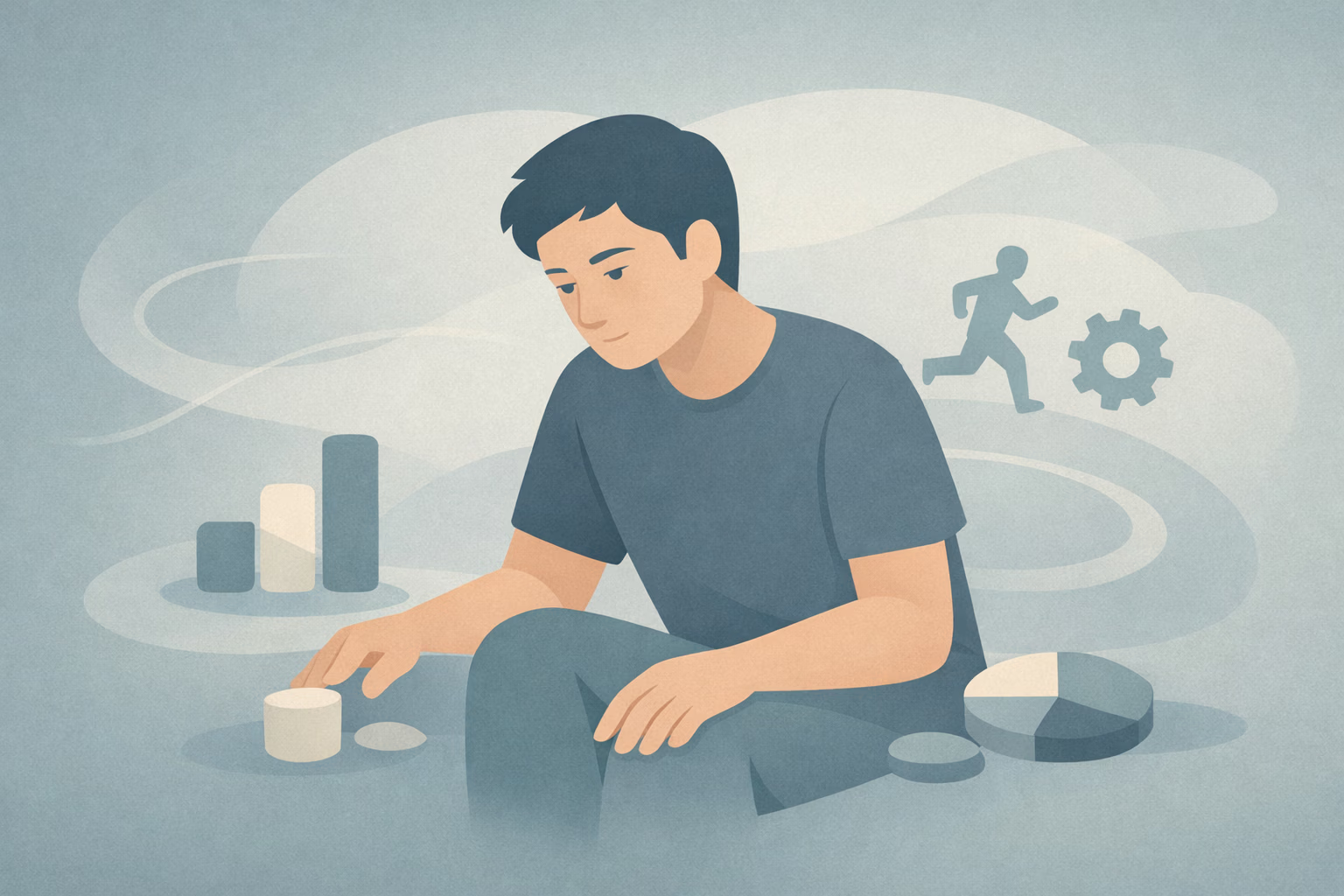
Understand why optimizing everything hides deeper fear.

Learn why workaholism feels productive but hides emotional avoidance.
Yes. This is Control as Shelter. In the Meaning Density Model™, control is a "refuge" from a chaotic or overwhelming environment. It is the "walled garden" that allows your Narrative system to function. By reframing control as a shelter rather than a "control-freak" trait, you stop the self-blame. You are simply using the tools available to you to create a "habitable zone" for your identity. This shelter is often a necessary phase of recovery before you can move into "open-loop" trust.
You can, but it limits your "meaning density." A shelter protects you, but it also blocks out the complexity and connection that make life feel "full." The goal of this model is to help you build such strong internal coherence that you eventually no longer need the "external shelter" of control. You move from "needing things to be a certain way" to "being okay regardless of how things are." But for now, if control is your refuge, use it without guilt to stabilize your system.
One Quiet Window, one insight, one reflection — every Sunday