

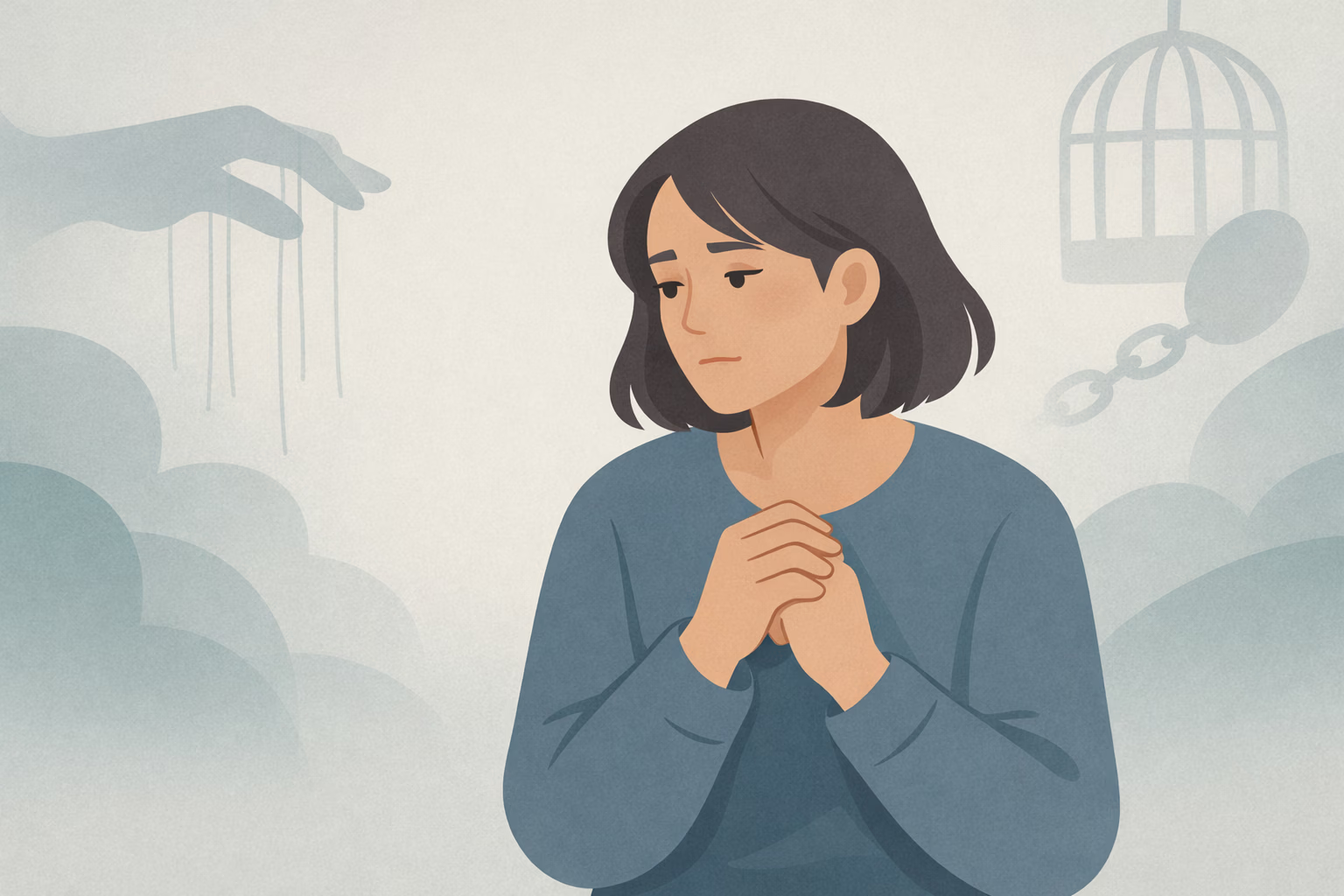
The Paradox of Control
Learn why controlling everything backfires and how internal flexibility reduces suffering.
In context: Yes. This is Allowing Control to Rest Briefly. In this model, you don't aim for “permanent non-control,“ which is unrealistic. You aim for “micro-rests.“ Give your Status & Control system a “ten-minute furlough.“ Decide that for the next ten minutes, you are “not in charge.“ This provides a “settlement window“ for your nervous system.
Control does not shut down; it idles.
Systems remain intact while effort reduces.
You sense how rest can be temporary and safe, how vigilance can pause without danger.
Allow brief rest with DojoWell.
Explore DojowellArticles exploring the psychology behind these patterns.
Learn why controlling everything backfires and how internal flexibility reduces suffering.

Learn why reflection is essential for meaning and emotional clarity.
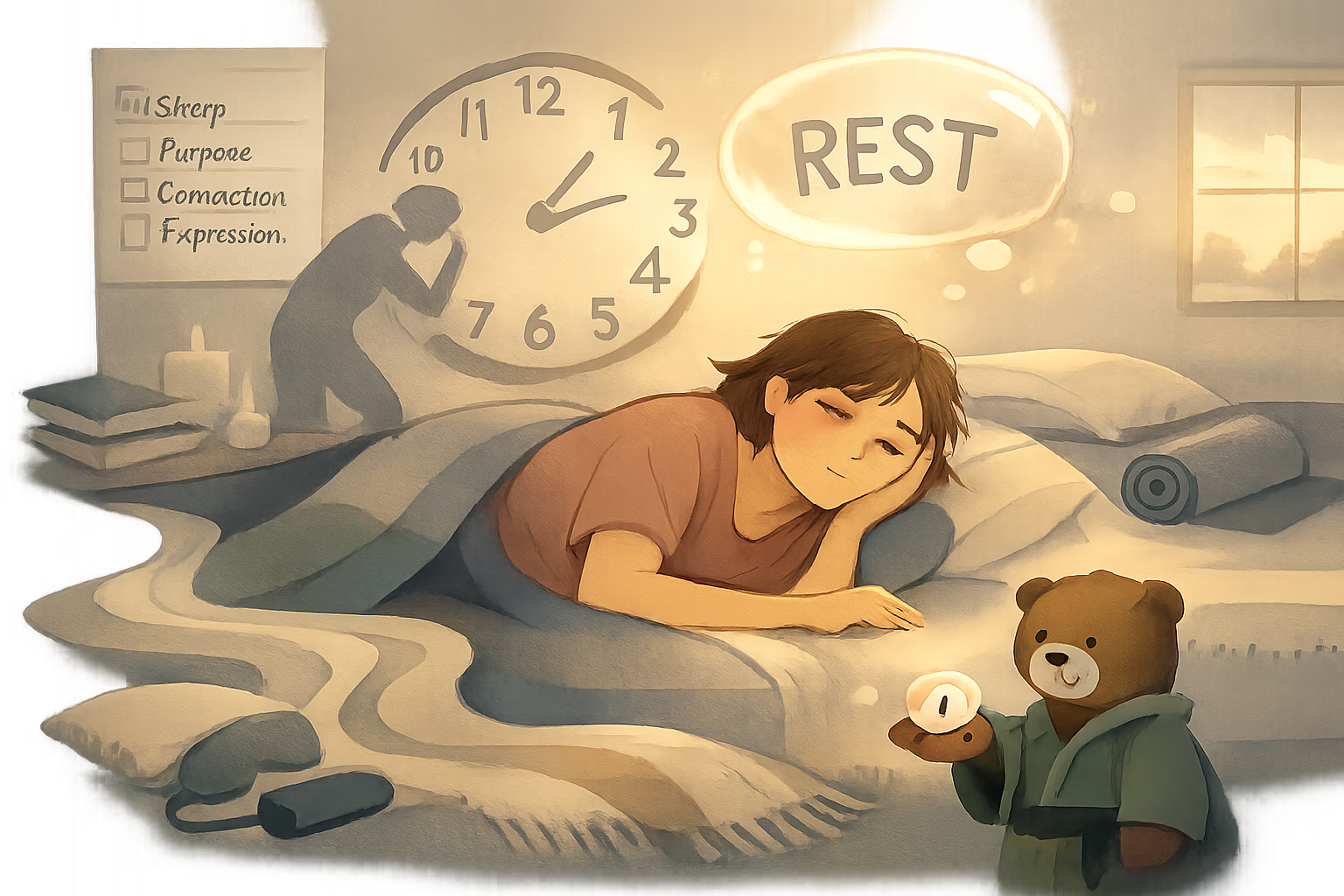
Why “just resting” doesn’t heal burnout
Yes. This is Allowing Control to Rest Briefly. In this model, you don't aim for "permanent non-control," which is unrealistic. You aim for "micro-rests." Give your Status & Control system a "ten-minute furlough." Decide that for the next ten minutes, you are "not in charge." This provides a "settlement window" for your nervous system. Even a brief rest from the "load of maintenance" can prevent a total system collapse later in the day.
By choosing a "Zero-Consequence Zone." Find a space where no one is looking and nothing is "at stake"—like a walk in the park or a quiet room. Tell your system: "Management is suspended here." This explicit naming closes the "surveillance loop." By giving yourself permission to be "un-managed" in a safe zone, you build the "structural confidence" needed to eventually carry that ease into higher-stakes environments.
One Quiet Window, one insight, one reflection — every Sunday