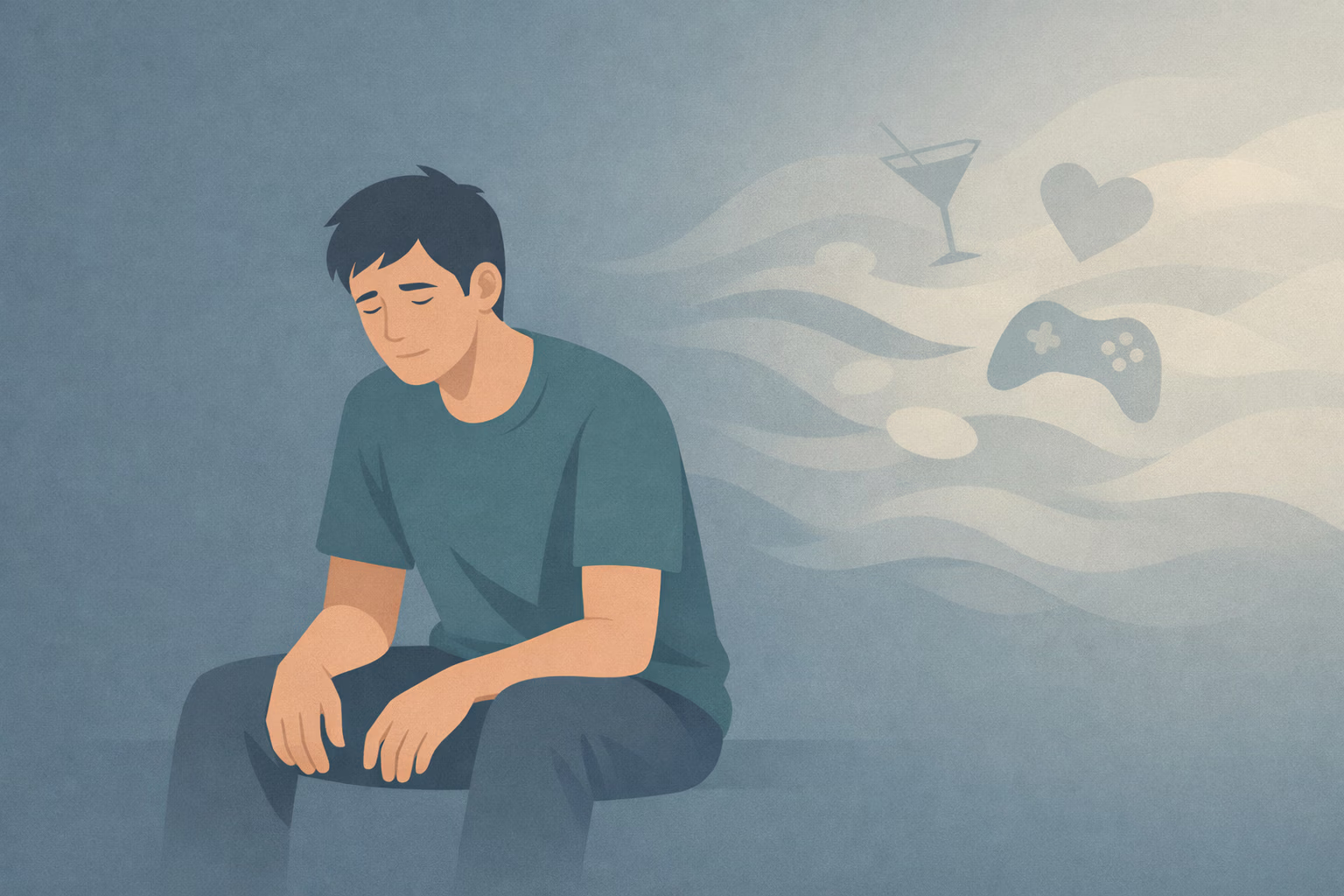

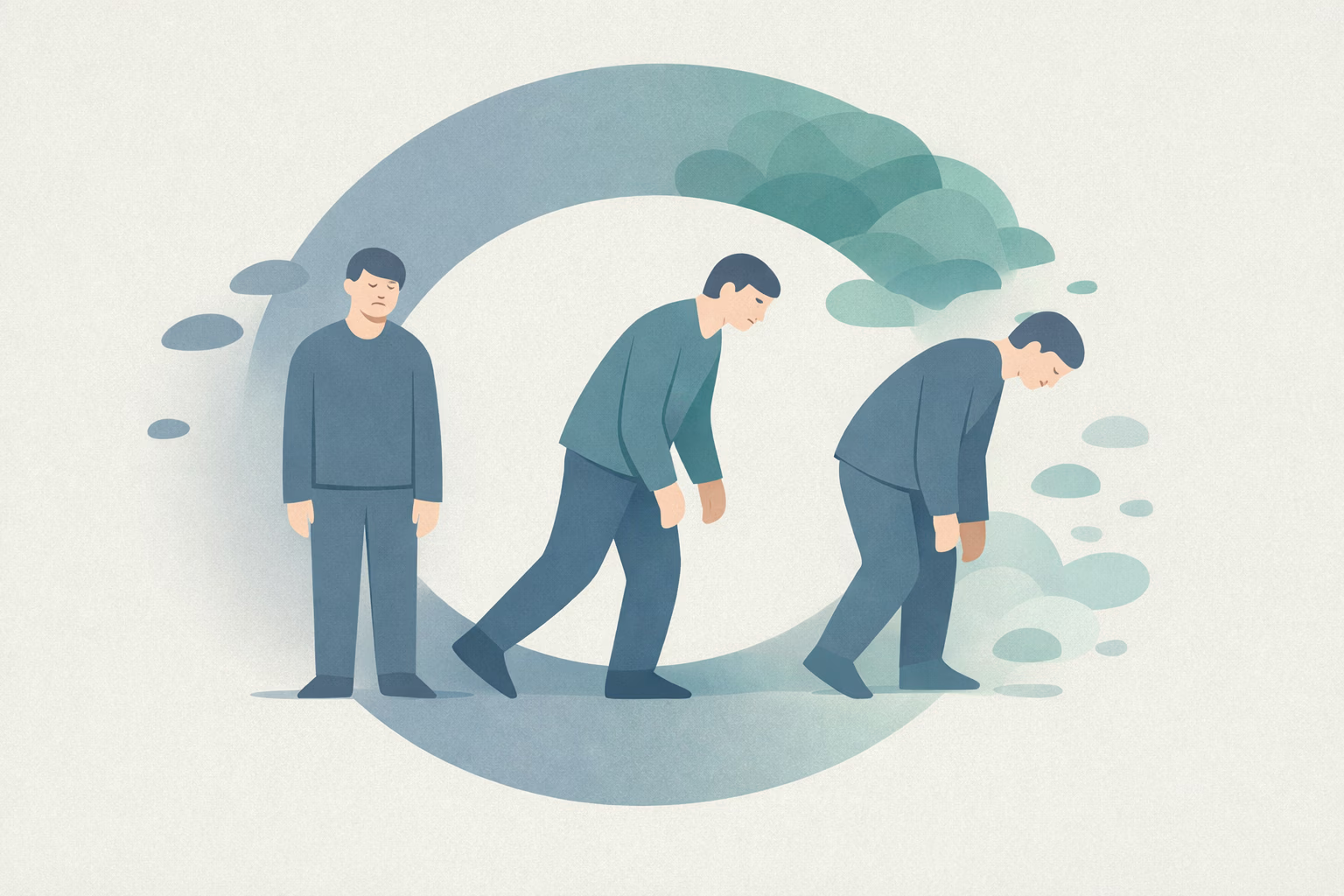
Numb–Crave–Crash Cycle
Understand the modern craving loop.
In context: “Enough“ is a transient state of the Status & Control and Reward systems. It is the brief moment when a loop is closed and the next hasn't started yet. Because our environment is designed to keep loops open, “enough“ passes quickly as new triggers appear.

Enough never lasts long.
It slips like sand, steady and quiet.
This impermanence is built in.
Naming it reduces the urge to grab more.
You can let the grains fall without trying to hold them.
Name impermanence with DojoWell.
Explore DojowellArticles exploring the psychology behind these patterns.
"Enough" is a transient state of the Status & Control and Reward systems. It is the brief moment when a loop is closed and the next hasn't started yet. Because our environment is designed to keep loops open, "enough" passes quickly as new triggers appear. Recognizing this impermanence explains the cycle: "enough" isn't a destination you reach; it’s a structural pause you inhabit before the system naturally resets.
By stop trying to "capture" the feeling of enough. In the model, trying to hold onto a feeling creates a new Pursuit Loop, which actually destroys the sense of enoughness. Instead, learn to appreciate the "pause" when it arrives, and then allow it to go. This "flow of completion" prevents the system from getting stuck in a state of lack, making the return of "enough" more frequent and natural.
One Quiet Window, one insight, one reflection — every Sunday