

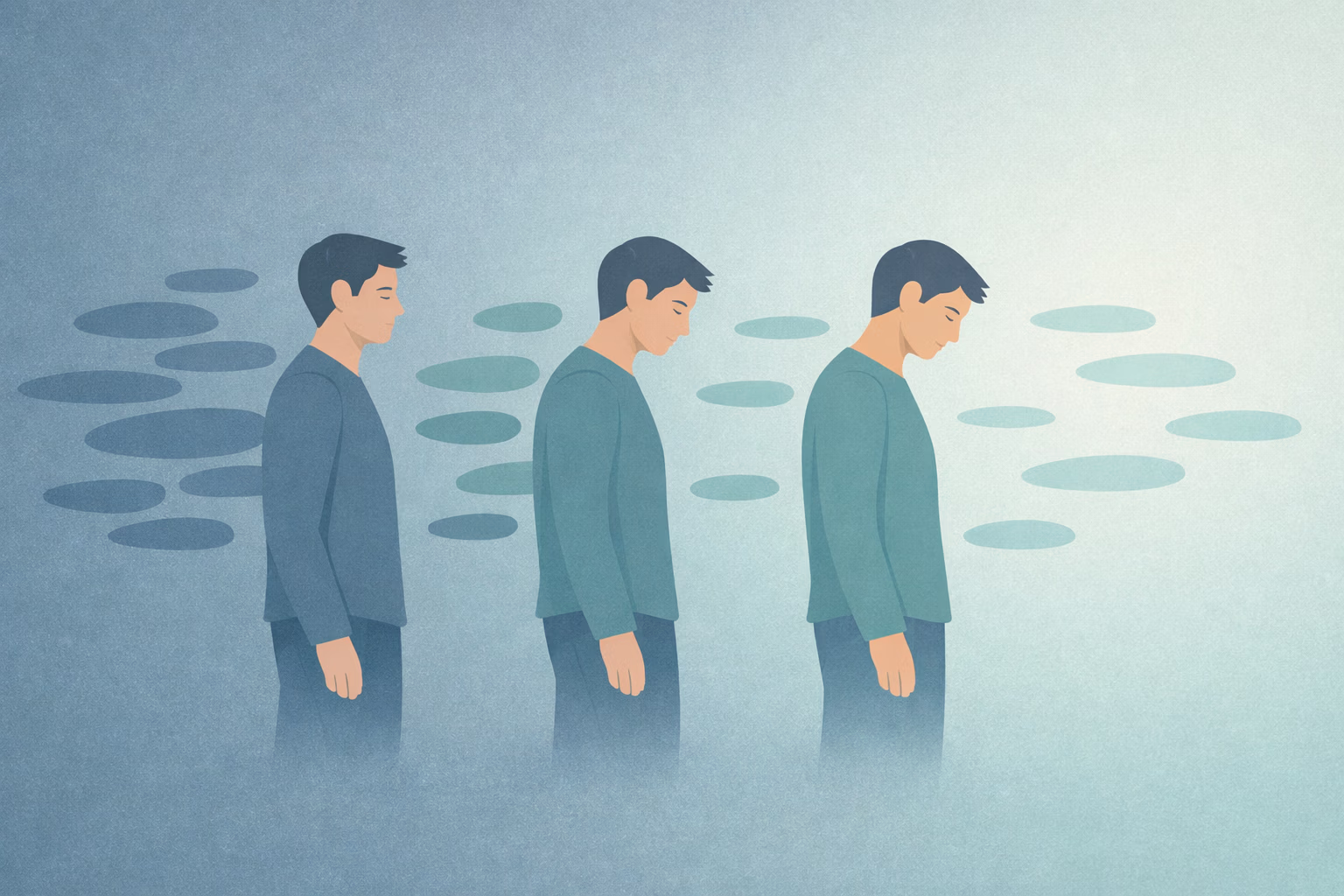
Stress Downshifting & Emotional Speed
Learn how gradual stress downshifting restores emotional balance.
In context: This is “Natural Deceleration.“ After a period of saturation, the brain stops prioritizing high-velocity sensory input to conserve energy. It's not a loss of interest, but a structural “cooling off.“ In the model, deceleration happens naturally once the Reward system is no longer being artificially spiked.

Input slows on its own.
Sounds arrive less urgently.
Images stop stacking.
Nothing has to be managed.
The nervous system eases its pace without instruction.
This slowing is not withdrawal; it is recalibration.
Let the gentle flow continue without redirecting it.
Learn natural deceleration with DojoWell.
Explore DojowellArticles exploring the psychology behind these patterns.
Learn how gradual stress downshifting restores emotional balance.
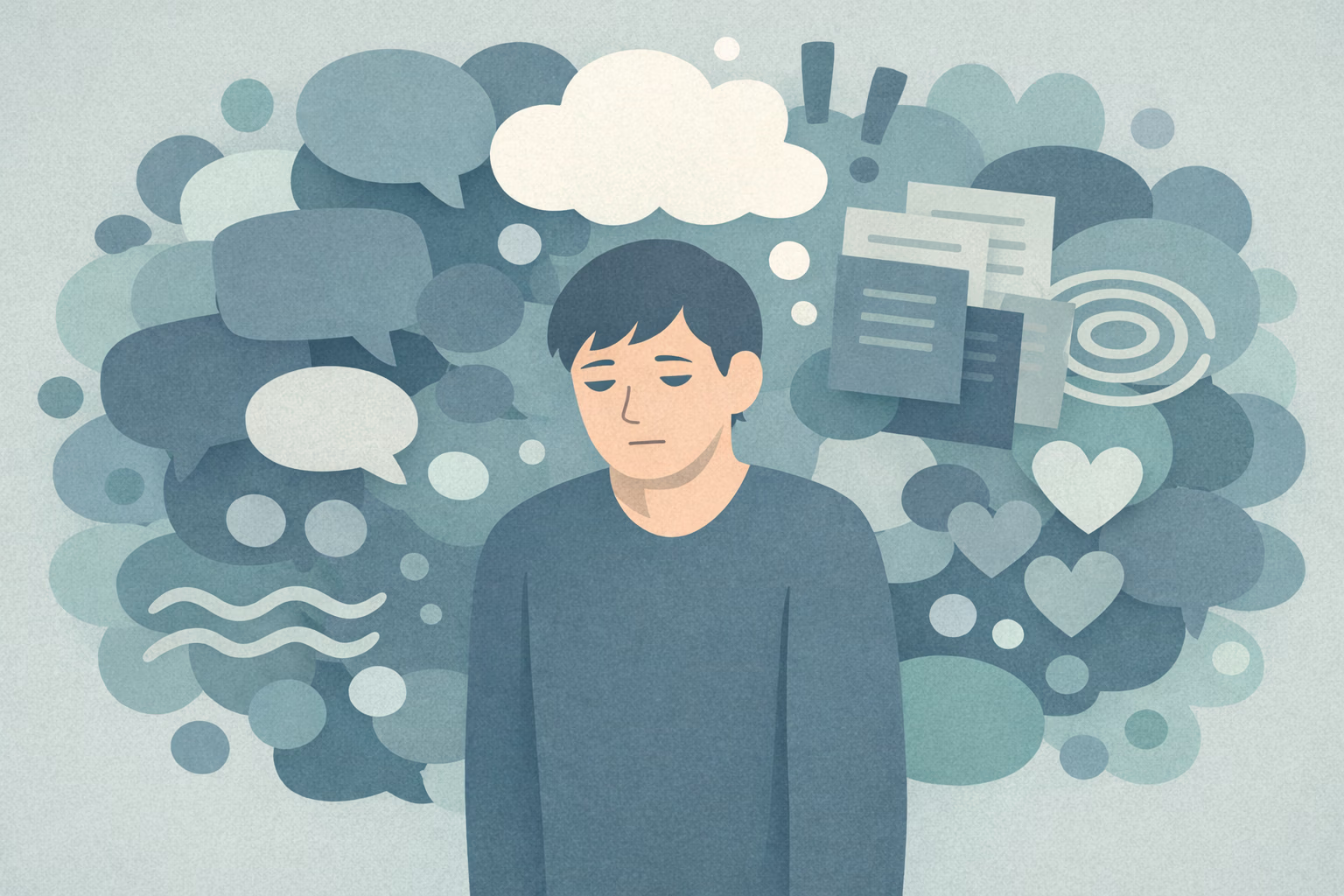
Learn overstimulation symptoms and how to calm your nervous system.
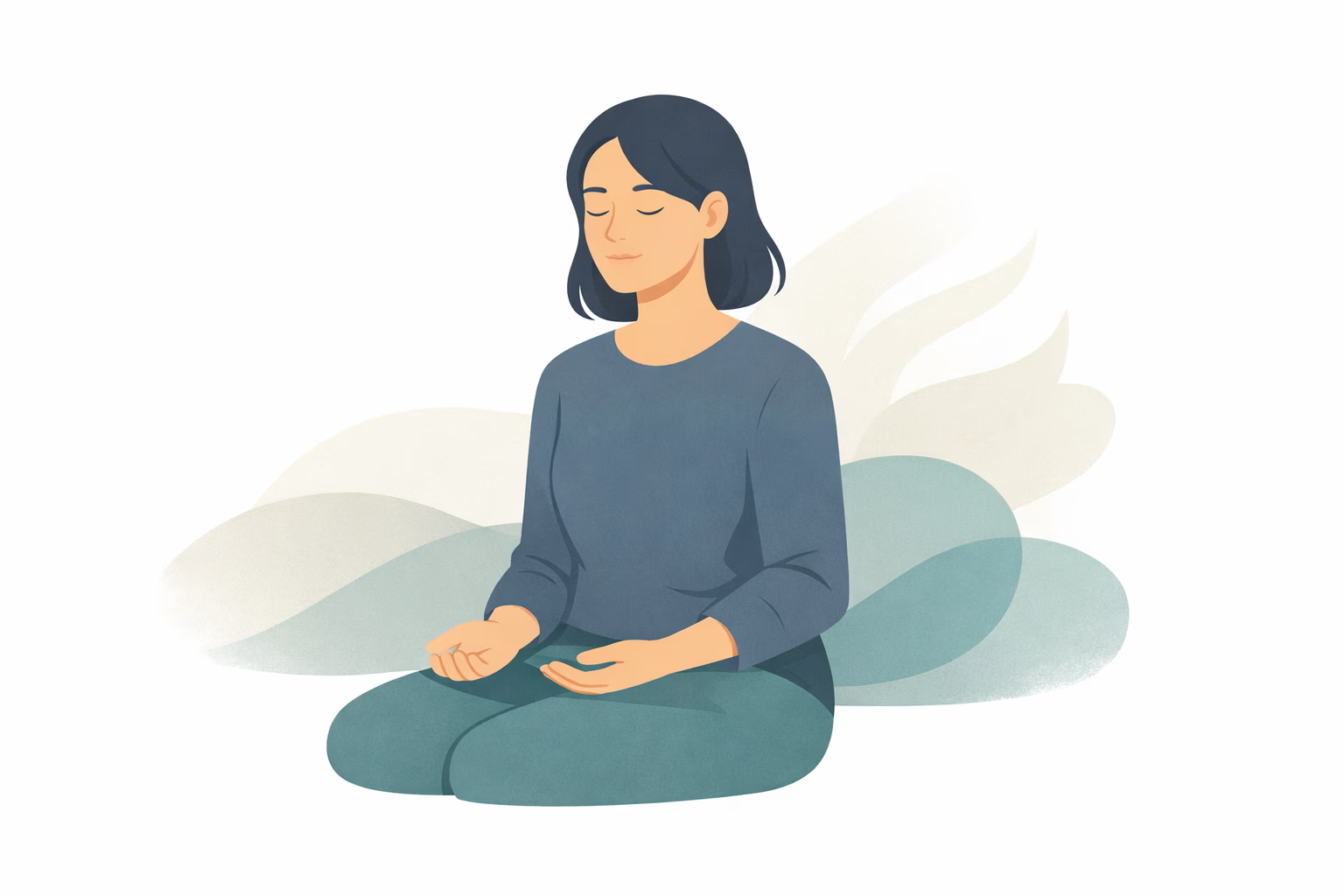
Discover how micro-pause moments alter emotional and behavioral direction.
This is "Natural Deceleration." After a period of saturation, the brain stops prioritizing high-velocity sensory input to conserve energy. It’s not a loss of interest, but a structural "cooling off." In the model, deceleration happens naturally once the Reward system is no longer being artificially spiked. By allowing this slowdown, you give your nervous system the chance to finally process the backlog of unintegrated experiences.
Yes. Deceleration is a sign that your Threat & Safety system no longer views "falling behind" as a survival risk. When input slows on its own, it indicates that your internal "integrator" is becoming more efficient. You are shifting from a state of frantic consumption to a state of selective presence. This is a vital step toward reclaiming your agency from the high-trigger modern environment.
One Quiet Window, one insight, one reflection — every Sunday