

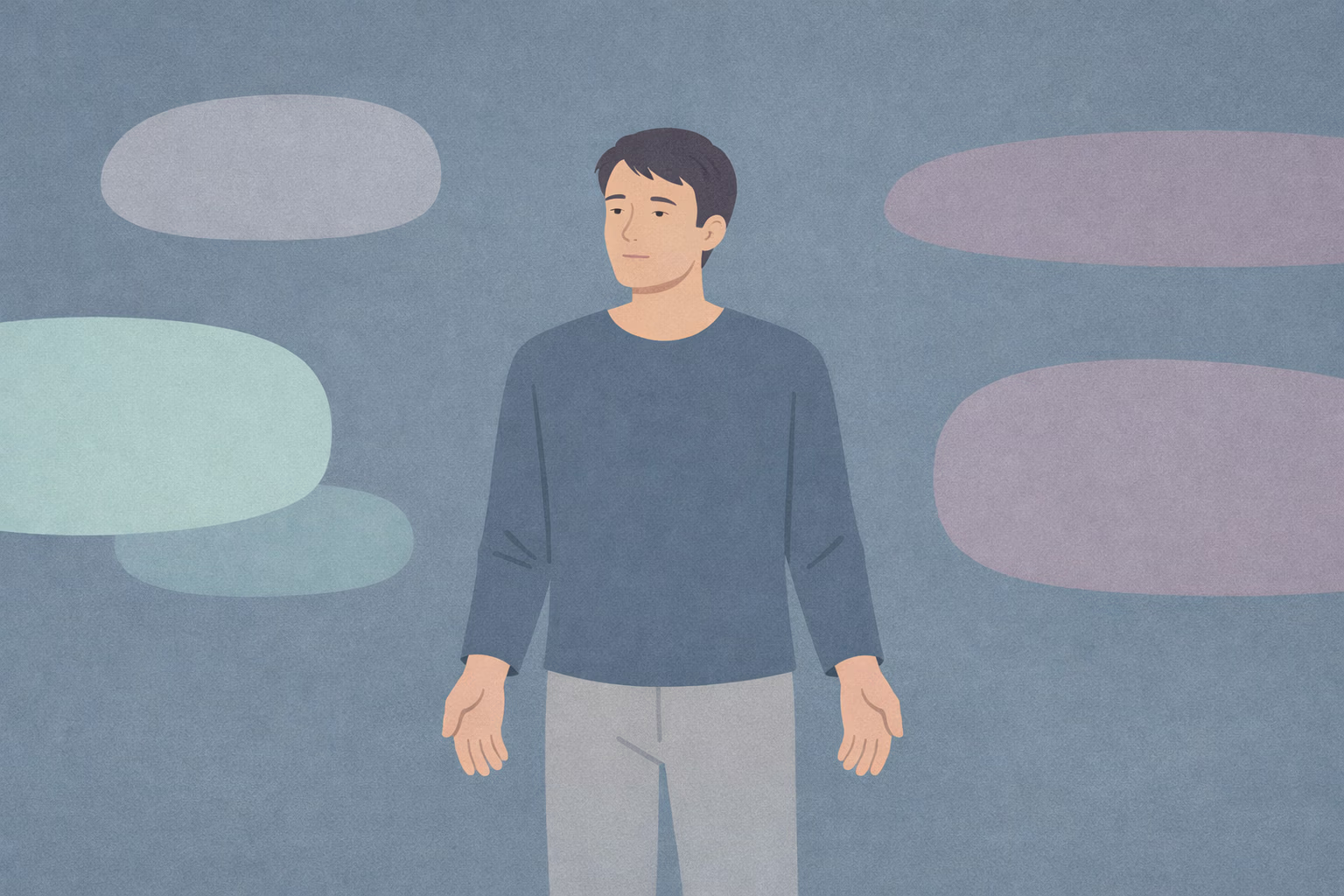
Connection Without Closeness
Learn why “connected” people feel emotionally starved.
In context: Because in a hyper-connected world, presence is often misread as a “request for interaction.“ This creates a constant “threat of engagement.“ By establishing that your presence is a standalone structural state, you set a clear boundary for your nervous system.

Presence does not automatically invite closeness.
A door can remain closed while the light stays on.
Being here does not mean opening everything.
Boundaries can coexist with availability.
Clarify boundaries with DojoWell.
Explore DojowellArticles exploring the psychology behind these patterns.
Learn why “connected” people feel emotionally starved.
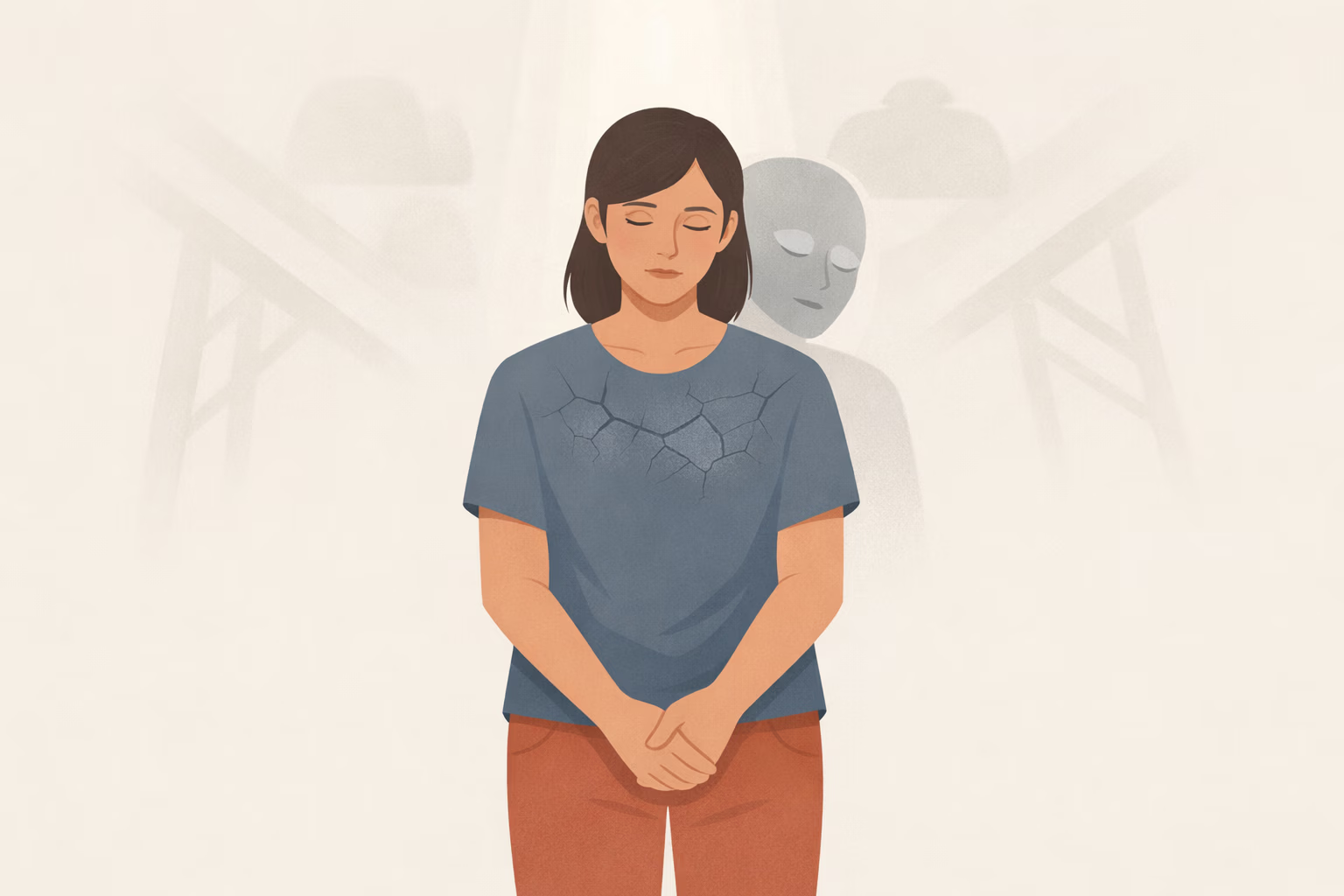
Explore why being “strong” becomes emotional suppression rooted in survival.
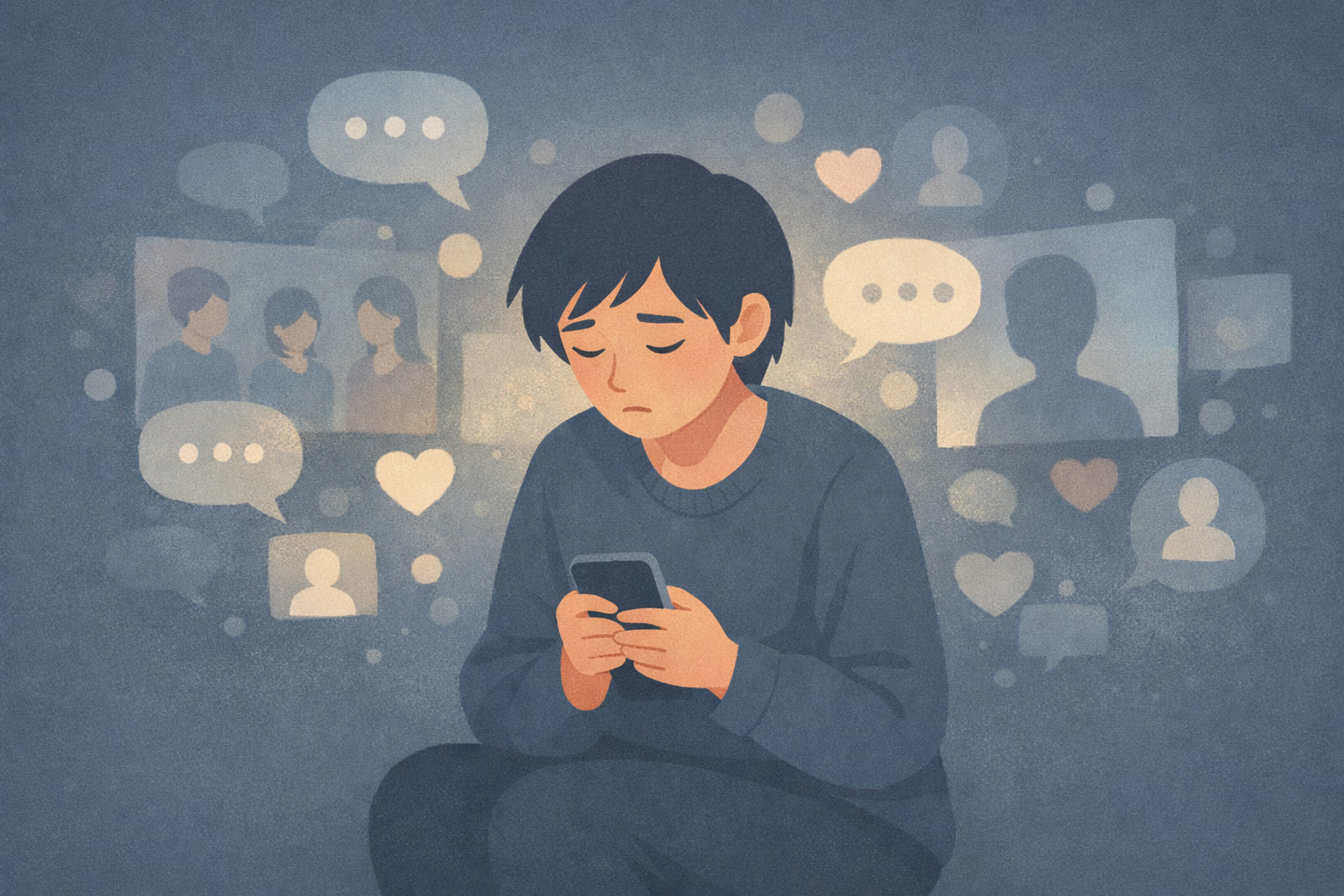
Understand why social anxiety is rising and how online comparison intensifies ancient belonging fears.
Because in a hyper-connected world, presence is often misread as a "request for interaction." This creates a constant "threat of engagement." By establishing that your presence is a standalone structural state, you set a clear boundary for your nervous system. It allows you to be "here" without being "available" for every pursuit loop others might try to initiate. This clarity reduces social anxiety and allows for a more honest, regulated form of existence.
This is done through "contained orientation." You keep your "front" and your focus on your own immediate tasks or environment rather than seeking eye contact or social openings. This isn't about being rude; it’s about "non-signaling." When you stop sending "invitation signals," the people around you can also settle into their own loops. It creates a space where presence is a quiet, mutual fact rather than a series of social prompts to be managed.
One Quiet Window, one insight, one reflection — every Sunday