

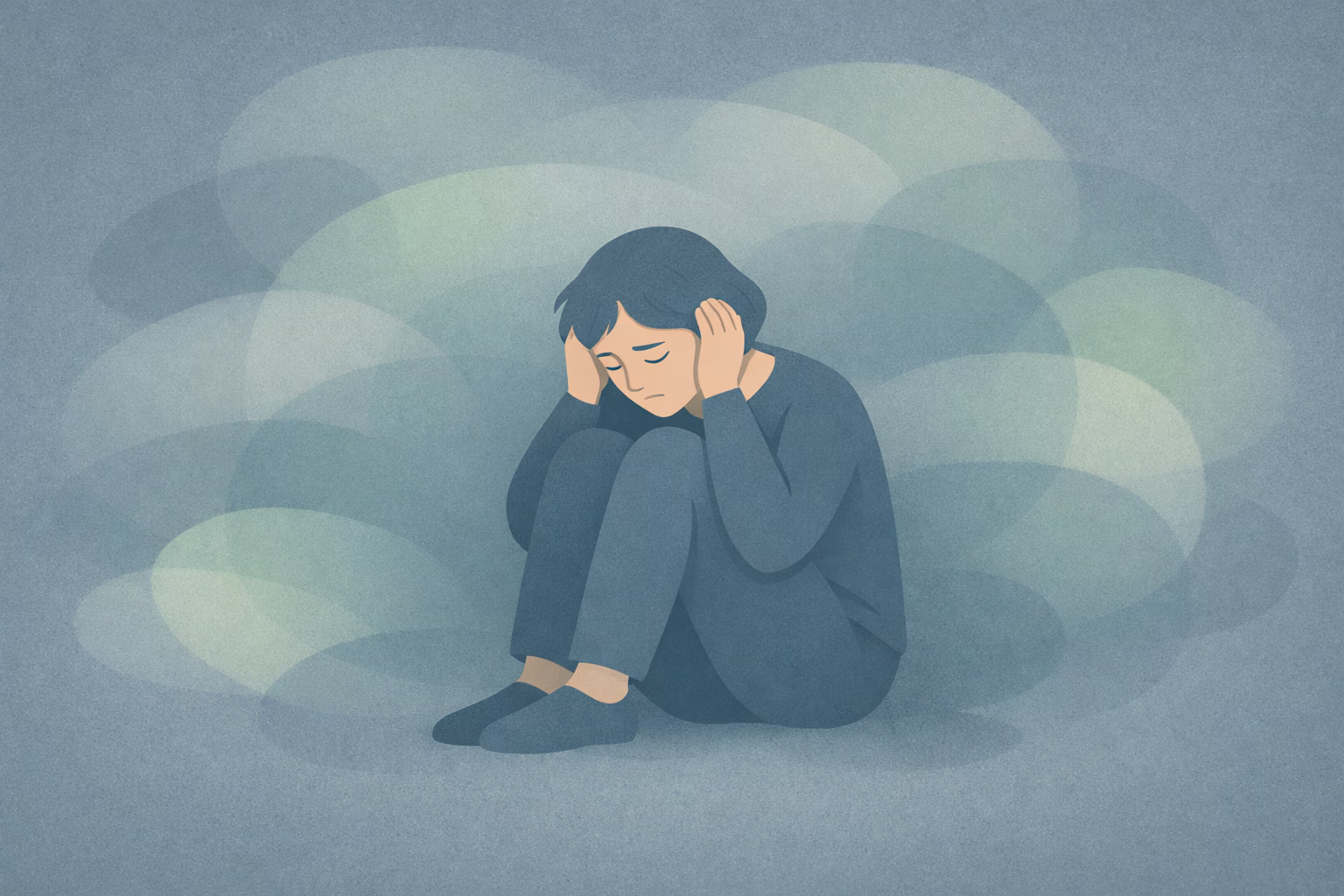
Emotional Overwhelm & Inner Overload
Learn why emotional overwhelm occurs when your brain receives more sensory and emotional input than it evolved to handle.
In context: This is “Normalized Readiness.“ Chronic strain is often disguised by adaptation. In the Meaning Density Model™, your system has “hardened“ its exterior to handle high-velocity loops. You don't feel the strain because your Narrative & Identity have merged with the load.

Readiness becomes the norm.
Muscles stay slightly engaged.
Attention stays oriented forward.
Over time, this feels like baseline rather than effort.
Normalizing this adaptation matters.
You did not choose to live braced.
You adjusted to conditions that required it.
Recognition restores fairness to your experience and opens the possibility of recalibration without urgency.
Normalize readiness adaptation with DojoWell.
Explore DojowellArticles exploring the psychology behind these patterns.
Learn why emotional overwhelm occurs when your brain receives more sensory and emotional input than it evolved to handle.
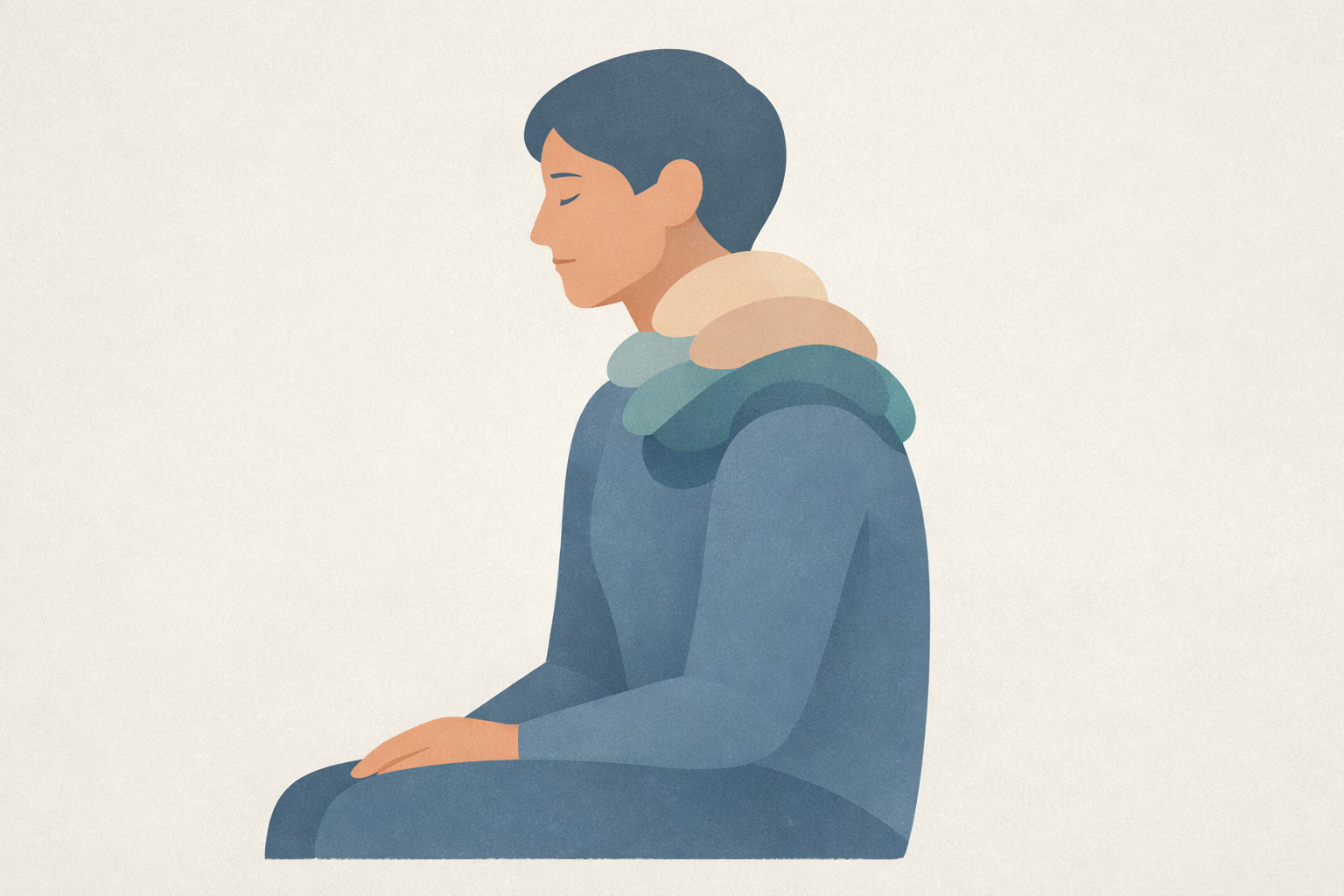
Learn how emotional tension is stored in the body and how to release it.

Learn the components of emotional maturity and how it evolves.
This is "Normalized Readiness." Chronic strain is often disguised by adaptation. In the Meaning Density Model™, your system has "hardened" its exterior to handle high-velocity loops. You don't feel the strain because your Narrative & Identity have merged with the load. It's like wearing heavy armor; after a while, you don't feel the weight, you just feel the limitation of your own movement.
Look for "Adaptive Rigidity." Can you be spontaneous? Can you be "unproductive" for 30 minutes without guilt? If the answer is no, the armor is there. DojoWell encourages "Technical Softening." Try to do one small task with "Zero Readiness"—no plan, no expectation of speed. The sudden "clumsiness" or "jitteriness" you feel is the reveal of the underlying strain you’ve normalized.
One Quiet Window, one insight, one reflection — every Sunday