

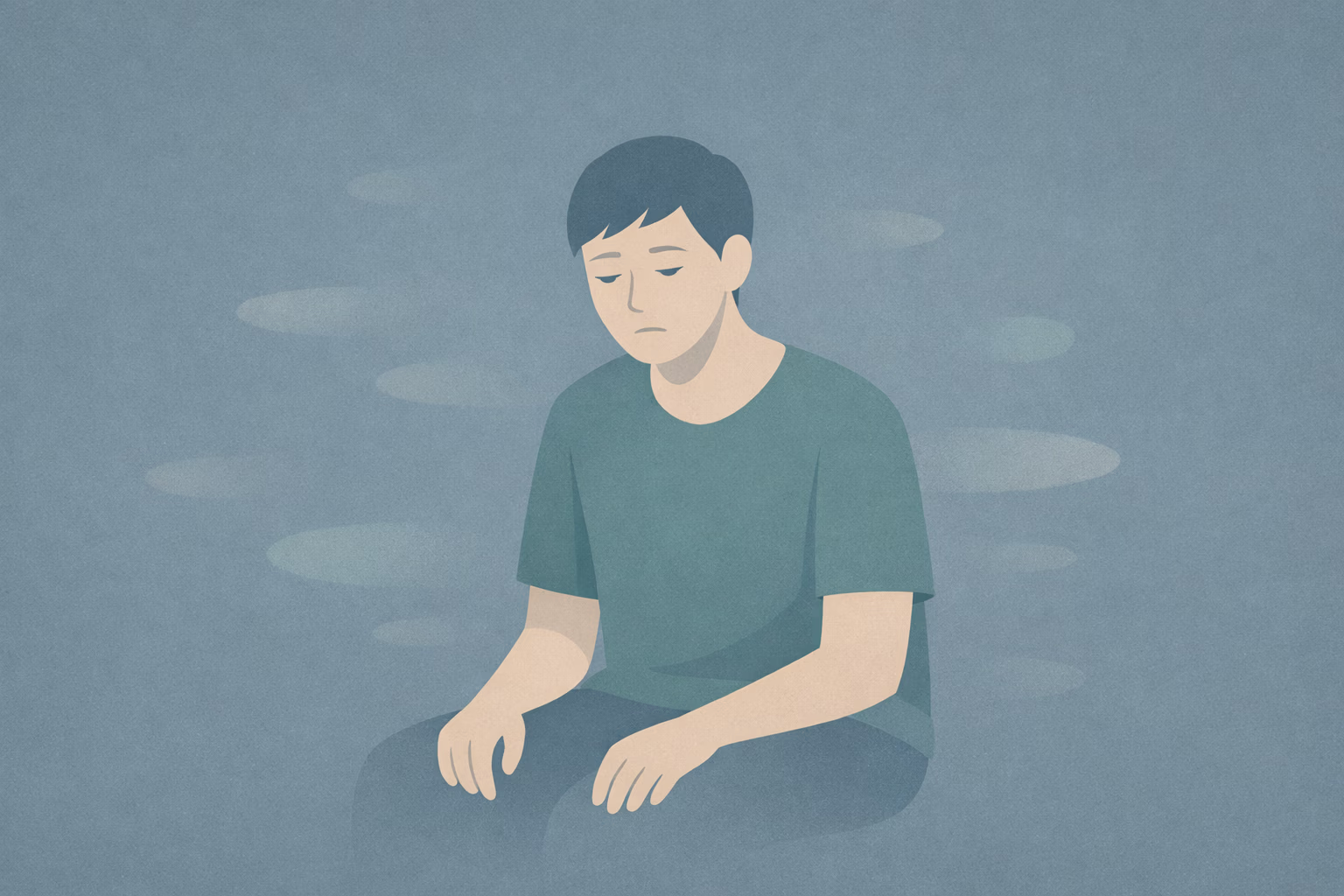
Emotional Exhaustion & Depleted Capacity
Understand emotional exhaustion and how to rebuild capacity.
In context: “Downshifts“ are brief under saturation. When your internal architecture is “High-Density,“ a 10-minute relaxation is like a single drop of water on a hot stone—it evaporates instantly. The Threat & Safety system is so used to “Bracing“ that it pulls you back into high-arousal the moment the “relaxation exercise“ ends.
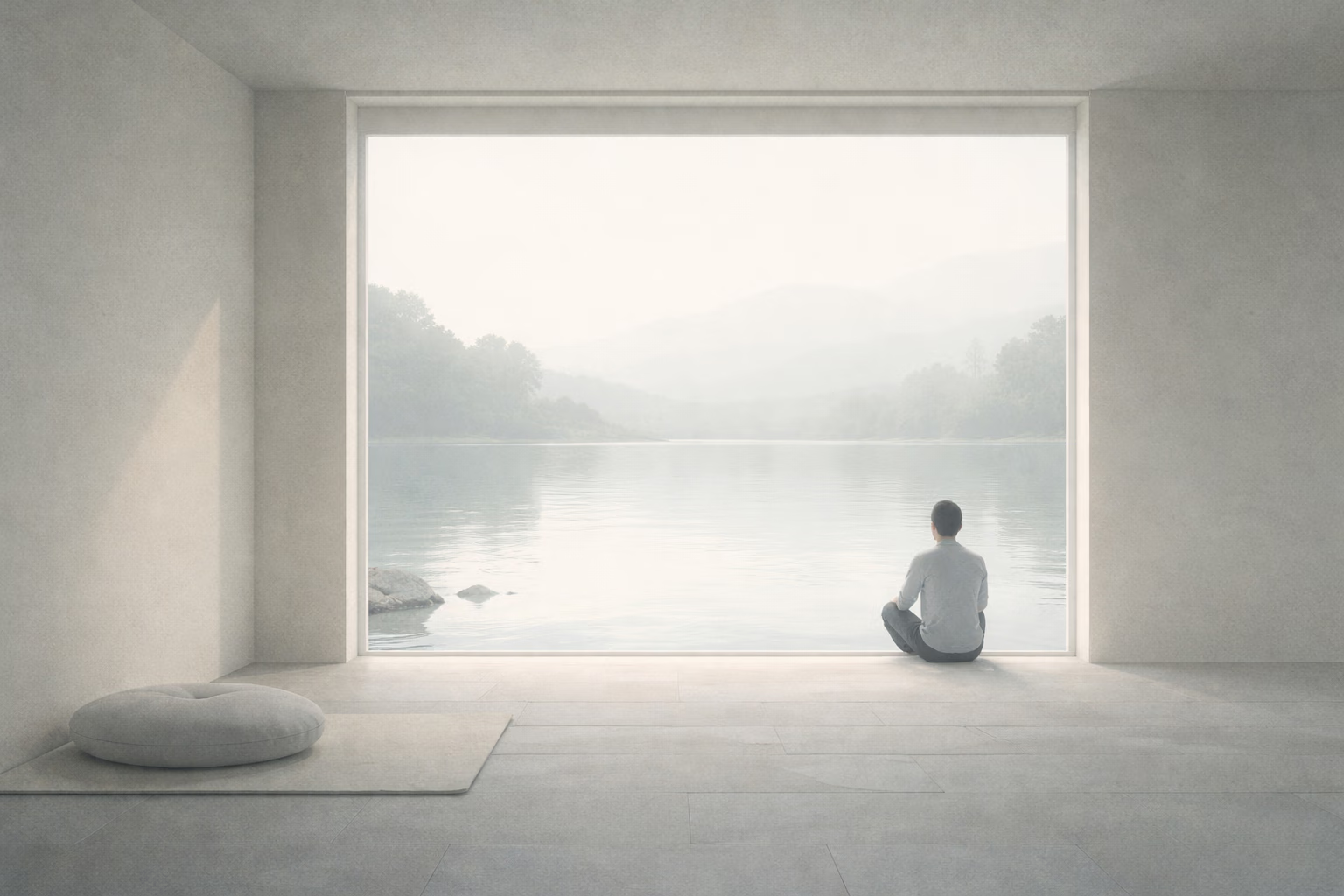
Relaxation arrives, then slips away.
Calm touches down briefly, then lifts.
This fleeting downshift is not failure.
The system has not yet learned to stay.
Naming this prevents frustration.
You are not resisting rest.
Your body is still learning safety.
Recognition allows downshifts to lengthen gradually.
Name fleeting calm gently with DojoWell.
Explore DojowellArticles exploring the psychology behind these patterns.
Understand emotional exhaustion and how to rebuild capacity.
Learn why emotional overwhelm occurs when your brain receives more sensory and emotional input than it evolved to handle.

Learn the components of emotional maturity and how it evolves.
"Downshifts" are brief under saturation. When your internal architecture is "High-Density," a 10-minute relaxation is like a single drop of water on a hot stone—it evaporates instantly. The Threat & Safety system is so used to "Bracing" that it pulls you back into high-arousal the moment the "relaxation exercise" ends. Your system doesn't believe the "Calm Signal" yet because the "Total Load" hasn't actually shifted.
Focus on "Cumulative Landings." Don't aim for one big "Relaxation Session"; aim for a hundred "Micro-Pauses" throughout the day. In the Meaning Density Model™, stability is built through "Frequency," not "Intensity." Each 10-second pause adds a tiny bit of "Safety Data" to your architecture. Over time, these small signals aggregate into a "Structural Belief" in safety, allowing the downshift to finally take hold and stay.
One Quiet Window, one insight, one reflection — every Sunday